Apotheosis
This is also called divinization or deification. It’s from the Latin deificato, meaning “making divine.” This is the glorification of a subject to divine levels & commonly, the treatment of a human being, any other living thing, or an abstract idea in the likeness of a deity.
The original sense of apotheosis relates to religion & is the subject of many works of art. Figuratively “apotheosis” may be used in almost any context for “the deification, glorification, or exaltation of a principle, practice, etc.” So normally attached to an abstraction of some sort.
In religion, apotheosis was a feature of many religions in the ancient world. Some that are active today. It requires a belief that there’s a possibility of newly created God’s, so a polytheistic belief system.
The Abrahamic religions of Christianity, Islam, & Judaism don’t allow this. Though many recognize minor sacred categories such as saints. They’re created by a process called canonization. In Christian theology, there’s a concept of the faithful becoming god-like, called divinization or in Eastern Christianity theosis.
In Hinduism, there’s some range for new deities. A human may be deified by becoming regarded as an avatar of an established deity, usually a major one, or by being regarded as a new, independent deity (usually a minor one), or a mix of the 2.
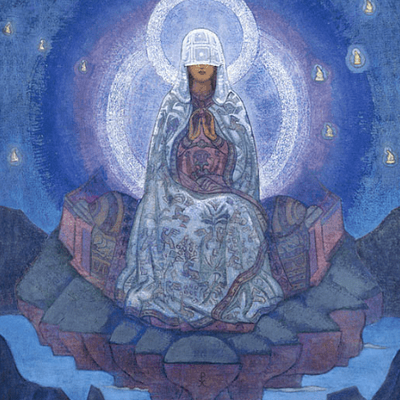
In art, an apotheosis scene usually shows the subject in the Heavens or rising towards them. They’re often partnered by a number of angels, putti, personifications of virtues, or similar figures.
Especially from Baroque art onwards apotheosis scenes may show rulers, generals, or artists purely as an honorific symbol. In many cases, the “religious” context is classical Greco-Roman pagan religion, like The Apotheosis of Voltaire, which features Apollo. The Apotheosis of Washington (1865) sits high in the dome of the United States of America Capitol Building is another example. Personification of places or abstractions are also shown receiving an apotheosis. The classic composition was suited for artistic placement on ceilings or inside domes.
Before the Hellenistic period, imperial cults were known in ancient Egypt (pharaohs) & Mesopotamia (from Naran-Sin through Hammurabi). In the New Kingdom of Egypt, all deceased pharaohs were deified as the god Osiris, having been identified as Horus while on the throne. They were sometimes referred to as the “son” of other various deities.
The architect Imhotep was defied after his passing away. Though the process seems to have been gradual. This took over 1,000 years, by which time he had become associated with medicine. About a dozen non-royal ancient Egyptians became regarded as deities.
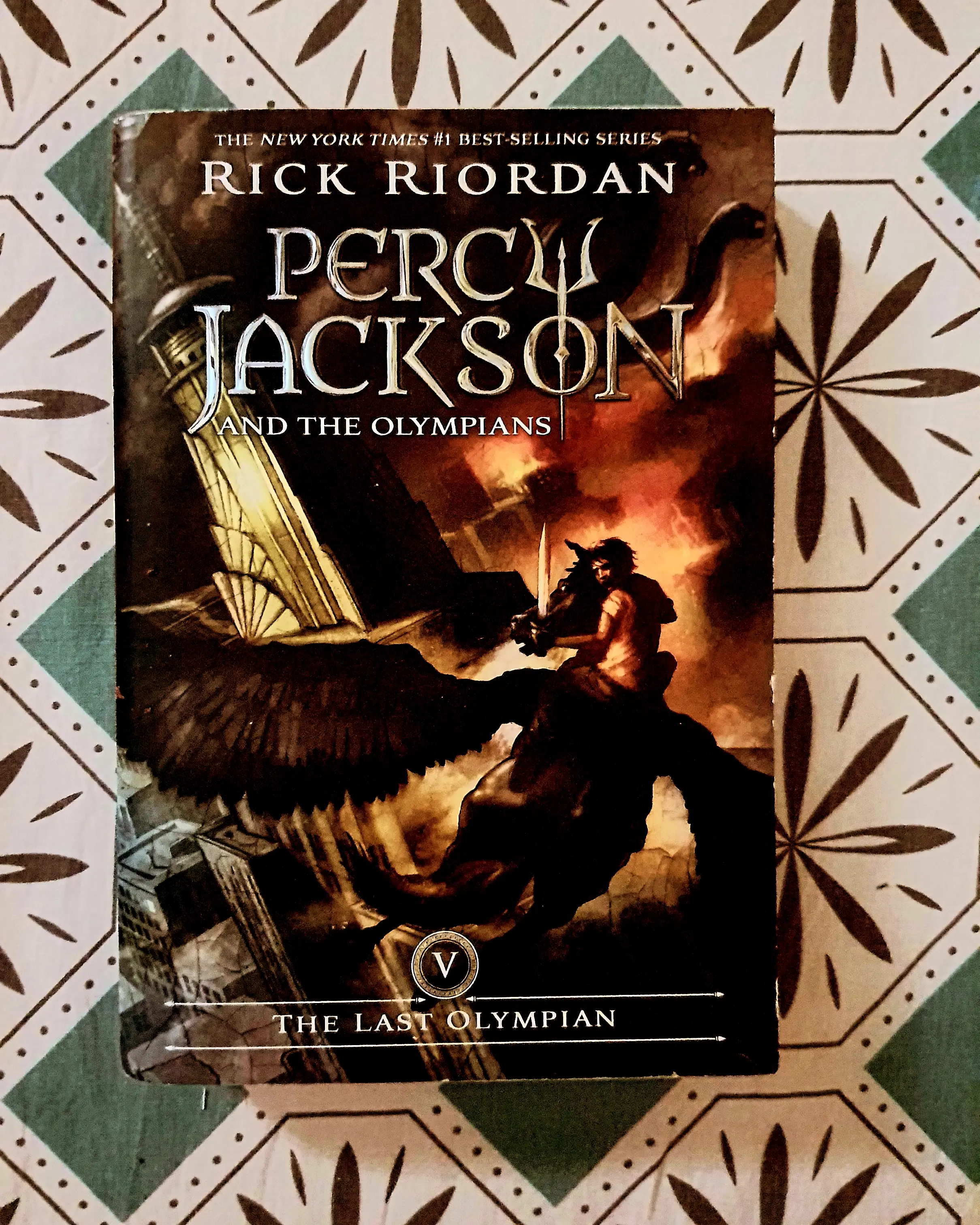
Ancient Greek & Roman religions have many characters who were born as humans but became gods. Like Disney’s Hercules. They’re usually made divine by 1 of the main deities, the 12 Olympians. In the Roman story of Cupid & Psyche, Zeus gave the ambrosia of the gods to the mortal Psyche. This transformed her into a goddess herself.
In the case of the Hellenistic queen Berenice II of Egypt was deified like other rulers of the Ptolemaic dynasty. The court dispersed a myth that her hair, that was cut off to fulfill a vow, had its own apotheosis before becoming the Coma Berenices, a group of stars that still bear her name.
In the Greek world, the 1st leader who granted himself diving honors was Philip II of Macedon. At the wedding to his 6th wife, Philip’s enthroned image was carried in procession among the Olympian gods. Such Hellenistic state leaders might be raised to a status equal to the gods before death, like Alexander the Great, or afterwards, like members of the Ptolemaic dynasty.
A heroic cult status that’s similar to apotheosis was also an honor given to a few reversed artists of the distant past, such as Homer.
Up to the end of the Roman Republic, the god Quirinus was the only 1 the Romans accepted as having undergone apotheosis, for his identification/syncretism with Romulus. Syncretism is the practice of meshing together different beliefs & various schools of thought. Eventually apotheosis in Ancient Rome was a process whereby a deceased ruler was recognized as divine by their successors. This was usually done by a decree of the Senate & popular consent.
The 1st of these cases was the posthumous deification of the last Roman dictator Julius Caesar in 42 BC by his adopted son, the triumvir Caesar Octavian. In addition to showing respect, the present ruler often deified a popular predecessor to legitimize himself & gain popularity himself & gain popularity with the people.
A vote in the Roman Senate, in the later Empire confirming an imperial decree, was the normal official process. But this sometimes followed a period with the unofficial use of deific language or imagery for the individual. This was often done rather discreetly within the imperial circle.
There was then a public ceremony, called a consecratio, including the release of an eagle which flew high. This represents the ascent of the deified person’s soul to Heaven. Imagery featuring the ascent, sometimes using a chariot, was common on coins & in other art.
The largest & most famous example in art in a relief on the base of the Column of Antoninus Pius, showing the emperor & his wife, Faustina the Elder, being carried up by a much larger winged figure, described as representing “Eternity,” as the personifications of “Roma” & the Campus Martius sit below, & eagles fly above. The imperial couple are represented as Jupiter & Juno (or Zeus & Hera).
The historian Dio Cassius, who said he was present, gives a detailed description of the large, & lavish, public consecratio of Perinax, emperor for 3 months in 193, ordered by Septimius Severus.
At the height of the imperial cult during the Roman Empire, sometimes the emperor’s deceased loved ones (heirs, empresses, or lovers) like Hadrian’s Antinous were deified as well.
Deified people were posthumously given the title ‘Divus’ for men & ‘Diva’ for women to their names to signify their divinity. Traditional Roman religion distinguished between a deus (god) & divus (a mortal who became divine or deified), though not consistently. Temple & columns were erected to provide a space for worship.
The imperial cult was mainly popular in the provinces. Especially in the Eastern Empire, where many cultures were well used to deified rulers, & less popular in Rome itself, & among traditionalists & intellectuals.
Some privately, & cautiously, ridiculed the apotheosis of inept & feeble emperors, as in the satire The Pumkinification of (the Divine) Claudius. This is usually attributed to Seneca.
Numerous mortals have been deified into the Taoist pantheon. Examples are Guan Yi, Iron-crutch Li, & Fan Kuai. Song dynasty general Yue Fei was deified during the Ming dynasty. He’s considered by some practitioners to be 1 of the 3 highest-ranking heavenly generals. The Ming dynasty epic Investiture of the Gods deals heavily with deification legends.
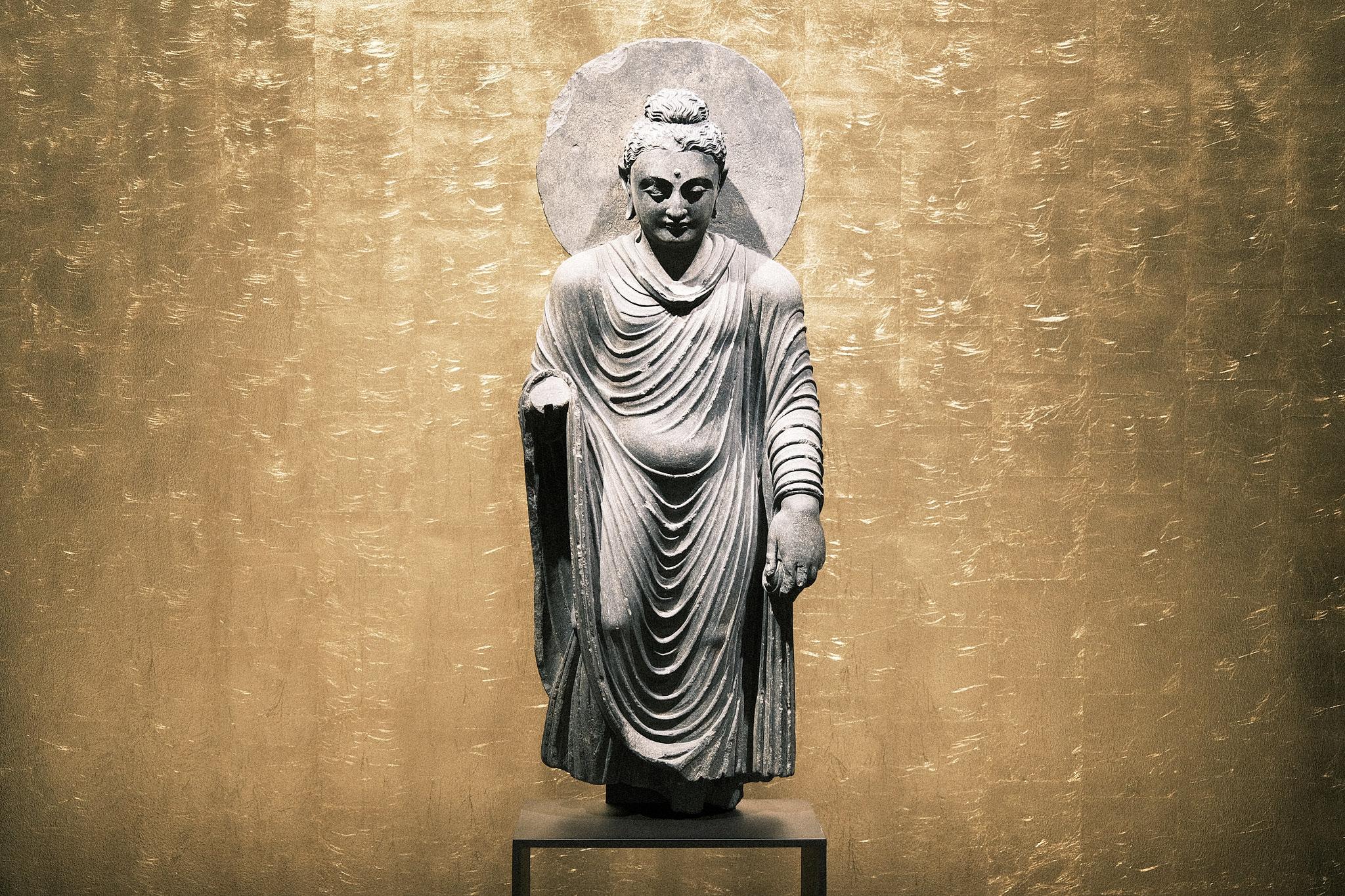
In the complicated, & variable, conceptions of deity in Buddhism, the achievement of Buddhahood may be regarded as an achievable goal for the faithful. Many significant deities are considered to have begun as normal people, from Gautama Buddha (the original Buddha & the creator of Buddhism) downwards. Most of these are seen as avatars or re-births of earlier figures.
Some significant Hindu deities, in particular Rama, were also born as humans. He’s seen as an avatar of Vishnu. In more modern times, Swaminarayan is an undoubted & well-documented historical figure, who’s regarded by some Hindus as an avatar of Vishnu, or as being a still more elevated deity. Bharat Mata (Mother India) began as a national personification devised by a group of Bengali intellectuals in the late 19th century. But now it receives some worship.
Various Hindu & Buddhist rulers in the past have been represented as deities, especially after death, from India to Indonesia. Jayavarman VII, King of the Khmer Empire the 1st Buddhist king of Cambodia, had his own features used for the many statues of Buddha/Avalokitevara he erected.
The extreme personality cult instituted by the founder of North Korea, Kim Il-Sung, has been to represent a deification. And continues to this day with the current leader. Even the nation is admittedly atheist.
In Christian theology, instead of the word “apotheosis,” they use the words “deification” or “divinization” or the Greek word “theosis.” Pre-Reformation, & mainstream theology, in both East & West, views Jesus Christ as the preexisting God who undertook mortal existence. Not as a mortal being who attained divinity. A view known as adoptionism. Adoptionism is an early Christian non-Trinitarian doctrine that holds that Jesus was born a mere human being. But Jesus was later adopted by God as His son, usually at Jesus’ baptism or resurrection, rather than being divine from eternity.
It holds that he has made it possible for human beings to be raised to the level of sharing the divine nature as II Peter 1:4 states that he became human to make humans “partakers of the divine nature.”
In John 10:34, Jesus referenced Psalm 82:6 when he stated: “Is it not written in your Law, I have said you are gods?” Other authors stated: “For this is why the Word became man, & the Son of God became the Son of man: so that Man, by entering into communion with the Word & thus receiving divine sonship, might be made God.” Accusations of self deification to some degree may have been placed on heretical such as the Waldensians.
The language of II Peter is taken up by St. Irenaeus, in his famous phrase, “if the Word has been made man, it is so that men may be made gods.” It becomes the standard in Greek theology. In the 14th century, St. Athanasius repeats Irenaeus almost word for word. In the 5th century, St. Cyril of Alexandria says that we shall become sons “by participation” (Greek methexis). Methexis is “group sharing,” where the audience actively participates in the performance.
Deification is the central idea in the spirituality of St. Maximus the Confessor. For whom the doctrine is the result of the Incarnation: “Deification, briefly, is the encompassion & fulfillment of all times and ages.”
The Roman Catholic Church doesn’t use the term “apotheosis” in its theology. This is equivalent to the Greek word theosis are Latin-derived words “divinization” & deification” used in the Latin tradition of the Catholic Church.
The concept has been given less prominence in Western theology than in that of the Eastern Catholic Churches. But is present in the Latin Church’s liturgical prayer.
Despite the theological differences, in the Catholic church art depictions of the Assumption of the Virgin Mary in art & the Ascension of Jesus in Christian art do share many similarities in composition to apotheosis subjects. As there are many images of saints being raised into Heaven.
Anthropolatry is the deification & worship of humans. It was practiced in ancient Japan towards their emperors. Followers of Socinianism were later accused of practicing anthropolatry.
One-Time Monthly Yearly
Make a one-time donation
Make a monthly donation
Make a yearly donation
Choose an amount
$1.00 $5.00 $10.00 $1.00 $5.00 $10.00 $5.00 $10.00 $15.00
Or enter a custom amount
$
Your contribution is appreciated.
Your contribution is appreciated.
Your contribution is appreciated.
DonateDonate monthlyDonate yearly
#1865 #193 #42BC #4thCentury #5thCentury #AbrahamicReligions #Adoptionism #AlexanderTheGreat #Ambrosia #AncientRome #Angels #Anthropolatry #Antinous #Apollo #Apotheosis #AscensionOfJesus #AssumptionOfTheVirginMary #Atheist #Avalokiteshvara #Avatar #Avatars #BaroqueArt #bengali #BereniceIIOfEgypt #BharatMata #Buddha #BuddhaGautama #Buddhahood #Buddhism #CaesarOctavian #Cambodia #CampusMartius #canonization #CatholicChurch #Christianity #ColumnOfAntoninusPius #ComaBerenices #Consecratio #Cupid #Deification #Deity #Deus #DioCassius #Disney #DIva #Divinization #Divus #EasternCatholicChurch #EasternChristianity #EasternEmpire #Egypt #Egyptians #Emperors #FanKuai #FaustinaTheElder #GrecoRoman #Greek #GuanYi #Hadrian #Hammurabi #Heaven #Hellenistic #Hera #Hercules #Hindu #Hinduism #Homer #Horus #IIPeter14 #Imhotep #ImperialCults #India #Indonesia #InvestitureOfTheGods #IronCrutchLi #Islam #Japan #JayavarmanVII #Jesus #John1034 #Judaism #JuliusCaesar #Juno #Jupiter #KhmerEmpire #KimIlSung #Krishna #Late19thCentury #Latin #LatinChurch #Mesopotamia #Methexis #MingDynasty #NaramSin #NewKingdom #NorthKorea #Olympians #Osiris #pagan #Pertinax #Pharaohs #PhilipIIOfMacedon #polytheistic #Psalm826 #Psyche #PtolemaicDynasty #Putti #Rama #Reformation #Roman #RomanCatholicChurch #RomanRepublic #RomanSenate #Romans #Romulus #Saints #Senate #Seneca #SeptimiusSeverus #Socinianism #StAthanasius #StCyrilOfAlexandria #StIrenaeus #StMaximusTheConfessor #Swaminarayan #Syncretism #Taoist #TaoistPantheon #Temple #ThePumpkinificationOfTheDivineClaudius #Theosis #Triumvir #USCapitolBuilding #Vishnu #Waldensians #YueFei #Zeus