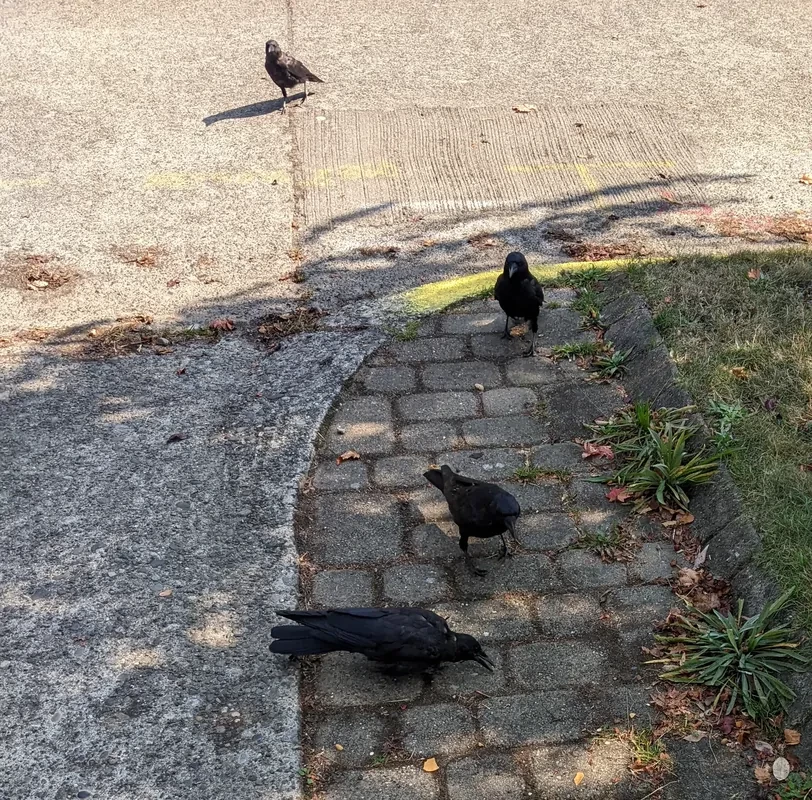
Giving out, Irish style
The phrasal verb give out has several common senses:
distribute – ‘she gave out free passes to the gig’
emit – ‘the machine gave out a distinctive hum’
break down, stop working – ‘at the end of the marathon her legs gave out’
become used up – ‘their reserves of patience finally gave out’
declare, make known – ‘management gave out that it would change the procedure’
In Ian Fleming’s Casino Royale I read an example of this last sense: ‘At the moment the Communist Party is giving out that he was off his head.’ Had Fleming been Irish, this line would be ambiguous – give out in Irish English commonly means complain, grumble, moan; or criticise, scold, reprimand, tell off.
I think this give out comes from Irish tabhair amach, same meaning. It’s intransitive and often followed by to [a person]. People might give out to someone for some mistake, oversight, or character flaw, or about politics, the weather, or the state of the roads. Or they might just give out in an unspecific or habitual way.
Here are some examples from literature:
He always seemed to be in bad humour and was always giving out. (Joe McVeigh, Taking a Stand: Memoir of an Irish Priest)
Pot Belly gives out and tells Slapper he’s not to be going home in this weather. (Claire Keegan, ‘The Ginger Rogers Sermon’, in Antarctica)
She had a good figure, although she was always giving out about her too-tight size twelve jeans, but she said buying a pair of size fourteens would be giving in. (Fiona O’Brien, Without Him)
‘If I eat any more turnips I’ll turn bleedin’ yellow.’
‘Ah, don’t be always giving out,’ said Mother. (Christy Brown, Down All the Days)Giving out to him the whole time: ‘I’ve hated you for years, you old fecker, so take this.’ (Anne Emery, Obit: A Mystery)
Both brothers would do Mr McGurk’s voice but Tee-J did it brilliant. He did Mr McGurk as a cranky old farmer who was always giving out. (Kevin Barry, ‘White Hitachi’, in Dark Lies the Island)
Greenfinch (Carduelis chloris) giving out to me about something
Irish give out is sometimes intensified by adding stink, yards, spades, to high heaven, or the pay:
Afterwards in the car my mother would give out yards to my father for being so generous to his sponging relations. (Sinead Moriarty, Keeping It In the Family)
Of course you prefer your little pet of a daughter who gave out stink to me this morning and wanted me to shift myself and my bed and I in the throes of mortal suffering. (John B. Keane, Letters of a Love-Hungry Farmer and other stories)
I heard the mother giving out stink to the father about it the other night; she was doing the old shout-whisper… (Donal Ryan, The Spinning Heart)
‘I had her mother on the phone to me last night, giving out yards.’ (Clare Dowling, Can’t Take My Eyes Off You)
‘We’re gone fierce boring now. Real suburbanites, I guess. Mowing the lawn and giving out yards about the neighbours.’ (Joseph O’Connor, Two Little Clouds)
For all we know, they give out to high heaven behind closed doors but we’ve no indication of that so we have to presume they are ok with things. (JoeyFantastic on Munsterfans.com forum)
…even if I did have to listen to him giving out the pay about the dangers of the Teddy Boys now inhabiting the place. (Brendan Behan, Confessions of an Irish Rebel)
Bernard Share, in Slanguage, says give out is an abbreviation of give out the hour, and is also seen in the form give off. I haven’t encountered these versions much.
Dermot, she said again, say something. Give off to me but don’t stay quiet. (Dermot Healy, The Bend for Home)
You’ll find give out = complain, criticise, etc. in many dictionaries of Irish slang, but it’s not slang: it’s an idiom in most or all of the dialects on this island, a regular feature of vernacular Hiberno-English. And it doesn’t end there.
On Twitter, Oliver Farry said ‘people in Kansas and Missouri use give out in much the same way as Irish people do’. This was news to me, and I’d be interested to hear more about it – or about its use anywhere else in this Irish sense. Including Ireland: I use it myself. But don’t give out to me if I’ve overlooked something important.
Update:
LanguageHat follows up, wondering about the Kansas/Missouri use of the phrase. A few commenters from these States have never heard it, so its distribution is evidently limited.
#books #dialects #giveOut #HibernoEnglish #idioms #Ireland #IrishBooks #IrishEnglish #IrishLanguage #IrishSlang #language #phrasalVerbs #phrases #polysemy #semantics #usage