#EuropeanBirds
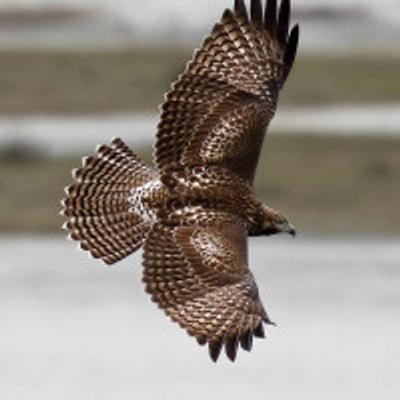
#wacholderdrossel #fieldfare #vogel #birdphotography #birding #birdwatching #nature #naturephotography #wildlife #wildlifephotography #naturelovers #tierfotografie #naturfotografie #ornithology #birdlovers #europeanbirds #songbird #birds_of_instagram #bestbirdshots #your_best_birds #planetbirds #feather_perfection #earthcapture #ourplanetdaily #outdoorphotography #nature_perfection #wildlifeonearth

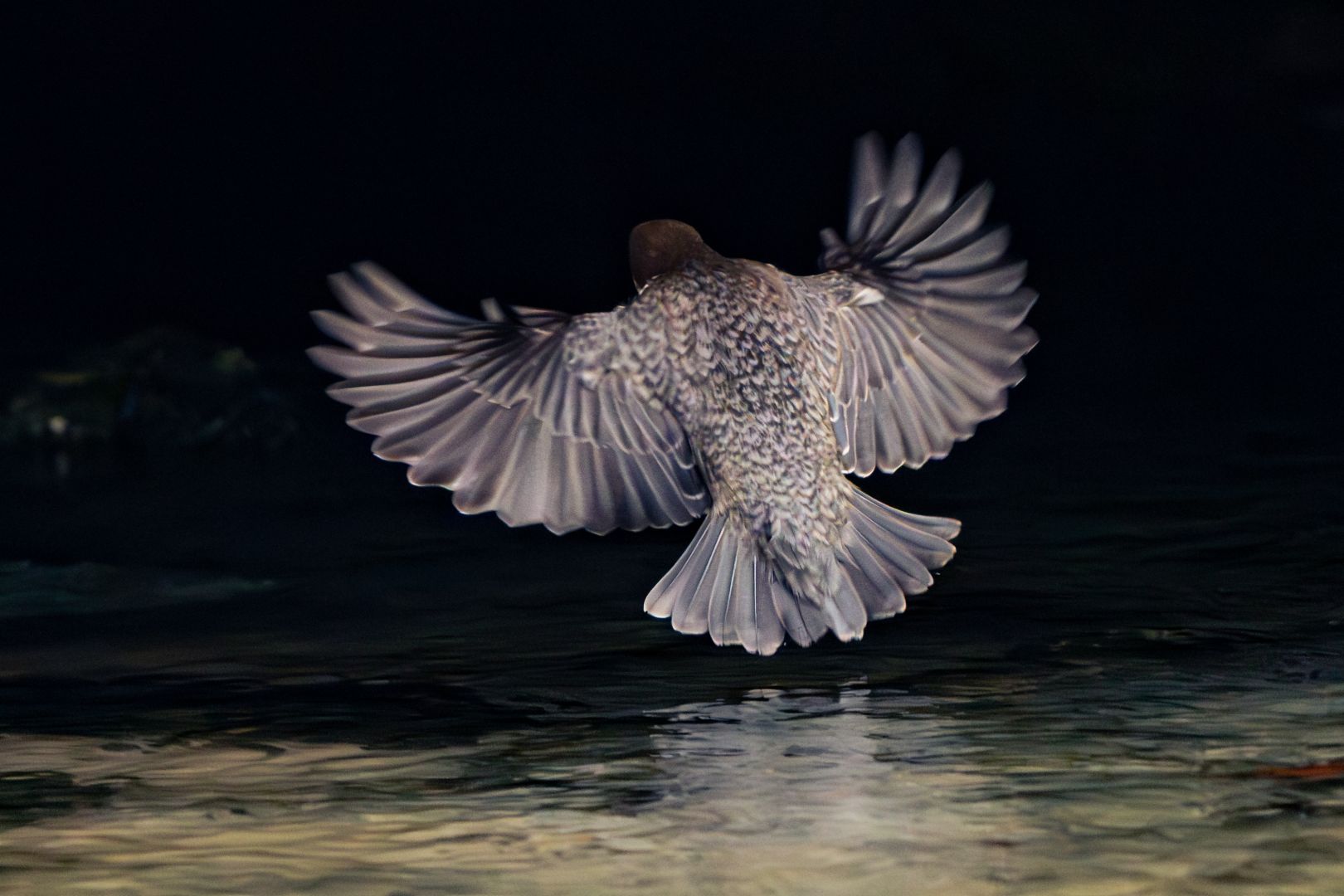
Wasseramsel
EXIF-Daten
Kamera: Sony ILCE-1M2
Objektiv: FE 400–800mm F6.3–8 G OSS
Brennweite: 452 mm
Belichtungszeit: 1/1250 s
Blende: f/9
ISO: 12800
#wasseramsel #cincluscinclus #vogel #vögel #bird #birds #birdphotography #wildlife #wildlifephotography #nature #naturephotography #avian #ornithology #flugaufnahme #actionshot #birdinflight #sonyalpha #sonyilce1 #fe400800 #telephoto #lowlight #riverbird #fluss #wasser #europeanbirds #birdlovers #naturfotografie #tierfotografie #wildtiere
EXIF-Daten
Kamera: Sony ILCE-1M2
Objektiv: FE 400–800mm F6.3–8 G OSS
Brennweite: 452 mm
Belichtungszeit: 1/1250 s
Blende: f/9
ISO: 12800
#wasseramsel #cincluscinclus #vogel #vögel #bird #birds #birdphotography #wildlife #wildlifephotography #nature #naturephotography #avian #ornithology #flugaufnahme #actionshot #birdinflight #sonyalpha #sonyilce1 #fe400800 #telephoto #lowlight #riverbird #fluss #wasser #europeanbirds #birdlovers #naturfotografie #tierfotografie #wildtiere

Crested Tit.
.
.
.
#haubenmeise #crestedtit #birdphotography #birdlovers #birdwatching #birding #birdspecies #wildlifephotography #wildlife_perfection #naturephotography #naturelovers #featheredfriends #avianphotography #europeanbirds #backyardbirds #macro_wildlife #olympuscamera #olympusphotography #omdstem1markiii #em1markiii #mftphotography #microfourthirds #m43photography #darktable #darktablephotography #postprocessing #nature_brilliance #wildlife_capture #bird_perfection #birds_of_pixelfed
.
.
.
#haubenmeise #crestedtit #birdphotography #birdlovers #birdwatching #birding #birdspecies #wildlifephotography #wildlife_perfection #naturephotography #naturelovers #featheredfriends #avianphotography #europeanbirds #backyardbirds #macro_wildlife #olympuscamera #olympusphotography #omdstem1markiii #em1markiii #mftphotography #microfourthirds #m43photography #darktable #darktablephotography #postprocessing #nature_brilliance #wildlife_capture #bird_perfection #birds_of_pixelfed


EXIF-Daten
Kamera: Sony ILCE-1M2
Objektiv: FE 400–800mm F6.3–8 G OSS
Brennweite: 800 mm
Belichtungszeit: 1/1250 s
Blende: f/8
ISO: 12800
#Eisvogel #AlcedoAtthis #Vogelfotografie #Naturfotografie #WildlifeFotografie #BirdPhotography #WildlifePhotography #NaturePhotography #BirdInFlight #VogelimFlug #Tierfotografie #Natur #SonyAlpha #SonyA1 #ILCE1M2 #FE400800 #Telephoto #BIF #EuropeanBirds #Vögel #Naturbeobachtung #BirdLovers #WildlifeLovers #Ornithologie #NatureLovers
Kamera: Sony ILCE-1M2
Objektiv: FE 400–800mm F6.3–8 G OSS
Brennweite: 800 mm
Belichtungszeit: 1/1250 s
Blende: f/8
ISO: 12800
#Eisvogel #AlcedoAtthis #Vogelfotografie #Naturfotografie #WildlifeFotografie #BirdPhotography #WildlifePhotography #NaturePhotography #BirdInFlight #VogelimFlug #Tierfotografie #Natur #SonyAlpha #SonyA1 #ILCE1M2 #FE400800 #Telephoto #BIF #EuropeanBirds #Vögel #Naturbeobachtung #BirdLovers #WildlifeLovers #Ornithologie #NatureLovers

EXIF-Daten
Kamera: Sony ILCE-1M2
Objektiv: FE 400–800mm F6.3–8 G OSS
Brennweite: 800 mm
Belichtungszeit: 1/3200 s
Blende: f/9
ISO: 2000
#Turmfalke #FalcoTinnunculus #Falcon #Falconry #BirdsOfPrey #Greifvogel #Greifvögel #Vogel #Vögel #BirdInFlight #Wildlife #WildlifePhotography #Nature #NaturePhotography #BirdPhotography #Birds #BirdWatching #Avian #Tierfotografie #Naturfotografie #SonyAlpha #SonyILCE1M2 #GMaster #Supertele #Telephoto #800mm #ActionShot #OutdoorPhotography #EuropeanBirds
Kamera: Sony ILCE-1M2
Objektiv: FE 400–800mm F6.3–8 G OSS
Brennweite: 800 mm
Belichtungszeit: 1/3200 s
Blende: f/9
ISO: 2000
#Turmfalke #FalcoTinnunculus #Falcon #Falconry #BirdsOfPrey #Greifvogel #Greifvögel #Vogel #Vögel #BirdInFlight #Wildlife #WildlifePhotography #Nature #NaturePhotography #BirdPhotography #Birds #BirdWatching #Avian #Tierfotografie #Naturfotografie #SonyAlpha #SonyILCE1M2 #GMaster #Supertele #Telephoto #800mm #ActionShot #OutdoorPhotography #EuropeanBirds

EXIF-Daten
Kamera: Sony ILCE-7RM4
Objektiv: FE 200–600mm F5.6–6.3 G OSS
Brennweite: 900 mm
Belichtungszeit: 1/3200 s
Blende: f/6,3
ISO: 400
#fischadler #osprey #pandionhaliaetus #greifvogel #raptor #vogel #birdphotography #wildlifephotography #wildlife #naturephotography #nature #vogelbeobachtung #ornithologie #birdsofeurope #greifvögel #tierfotografie #naturfotografie #sonyalpha #sony7rm4 #fe200600 #telephoto #birdlovers #birds #naturliebe #wildlife_perfection #birdwatching #europeanbirds
Kamera: Sony ILCE-7RM4
Objektiv: FE 200–600mm F5.6–6.3 G OSS
Brennweite: 900 mm
Belichtungszeit: 1/3200 s
Blende: f/6,3
ISO: 400
#fischadler #osprey #pandionhaliaetus #greifvogel #raptor #vogel #birdphotography #wildlifephotography #wildlife #naturephotography #nature #vogelbeobachtung #ornithologie #birdsofeurope #greifvögel #tierfotografie #naturfotografie #sonyalpha #sony7rm4 #fe200600 #telephoto #birdlovers #birds #naturliebe #wildlife_perfection #birdwatching #europeanbirds

EXIF-Daten
Kamera: Sony ILCE-1M2
Objektiv: FE 400–800mm F6.3–8 G OSS
Brennweite: 800 mm
Belichtungszeit: 1/800 s
Blende: f/8
ISO: 400
#kranich #graukranich #grusgrus #vogel #voegel #vogelfotografie #wildlife #wildlifefotografie #birdphotography #birdinflight #nature #naturephotography #natur #naturfotografie #tierfotografie #avian #sonyalpha #sonyphotography #ilce1 #fe400800 #telephoto #flugaufnahme #herbst #ornithologie #birdlovers #wildbirds #europeanbirds #wildlife_perfection
Kamera: Sony ILCE-1M2
Objektiv: FE 400–800mm F6.3–8 G OSS
Brennweite: 800 mm
Belichtungszeit: 1/800 s
Blende: f/8
ISO: 400
#kranich #graukranich #grusgrus #vogel #voegel #vogelfotografie #wildlife #wildlifefotografie #birdphotography #birdinflight #nature #naturephotography #natur #naturfotografie #tierfotografie #avian #sonyalpha #sonyphotography #ilce1 #fe400800 #telephoto #flugaufnahme #herbst #ornithologie #birdlovers #wildbirds #europeanbirds #wildlife_perfection

EXIF-Daten
Kamera: Sony ILCE-1M2
Objektiv: FE 400–800mm F6.3–8 G OSS
Brennweite: 800 mm
Belichtungszeit: 1/2500 s
Blende: f/8
ISO: 10000
#Eisvogel #Kingfisher #AlcedoAtthis #Vogelfotografie #BirdPhotography #WildlifePhotography #Naturfotografie #BirdInFlight #ActionShot #BirdsOfInstagram #WildlifePerfection #NatureLovers #NaturePhotography #Vögel #BirdWatching #SonyAlpha #SonyILCE1M2 #SonyG #FE400800 #Supertele #Telephoto #HighISO #FastShutter #BIF #Birds #Wildlife #EuropeanBirds #Flugaufnahme
Kamera: Sony ILCE-1M2
Objektiv: FE 400–800mm F6.3–8 G OSS
Brennweite: 800 mm
Belichtungszeit: 1/2500 s
Blende: f/8
ISO: 10000
#Eisvogel #Kingfisher #AlcedoAtthis #Vogelfotografie #BirdPhotography #WildlifePhotography #Naturfotografie #BirdInFlight #ActionShot #BirdsOfInstagram #WildlifePerfection #NatureLovers #NaturePhotography #Vögel #BirdWatching #SonyAlpha #SonyILCE1M2 #SonyG #FE400800 #Supertele #Telephoto #HighISO #FastShutter #BIF #Birds #Wildlife #EuropeanBirds #Flugaufnahme

EXIF-Daten
Kamera: Sony ILCE-7RM4
Objektiv: FE 200–600mm F5.6–6.3 G OSS
Brennweite: 600 mm
Belichtungszeit: 1/3200 s
Blende: f/6,3
ISO: 1250
#graureiher #ardeacinerea #reiher #vogel #vögel #vogelfotografie #birdphotography #birdinflight #wildlife #wildlifephotography #nature #naturephotography #sonya7riv #sonyalpha #fe200600 #telephoto #sunset #gegenlicht #silhouette #himmel #wolken #natur #tierfotografie #birds #bestbirdshots #planetbirds #europeanbirds #avian #flyingbird #ornithology
Kamera: Sony ILCE-7RM4
Objektiv: FE 200–600mm F5.6–6.3 G OSS
Brennweite: 600 mm
Belichtungszeit: 1/3200 s
Blende: f/6,3
ISO: 1250
#graureiher #ardeacinerea #reiher #vogel #vögel #vogelfotografie #birdphotography #birdinflight #wildlife #wildlifephotography #nature #naturephotography #sonya7riv #sonyalpha #fe200600 #telephoto #sunset #gegenlicht #silhouette #himmel #wolken #natur #tierfotografie #birds #bestbirdshots #planetbirds #europeanbirds #avian #flyingbird #ornithology

EXIF-Daten
Kamera: Sony ILCE-7RM4
Objektiv: FE 200–600mm F5.6–6.3 G OSS
Brennweite: 811 mm
Belichtungszeit: 1/4000 s
Blende: f/6,3
ISO: 800
#Turmfalke #Falke #Greifvogel #Greifvögel #Vogel #Vögel #Wildlife #Wildtierfotografie #Naturfotografie #Vogelfotografie #BirdInFlight #BirdPhotography #WildlifePhotography #NaturePhotography #FalcoTinnunculus #Raptor #SonyAlpha #SonyA7RIV #FE200600 #Telezoom #BIF #BirdsOfPrey #EuropeanBirds #NatureLovers #Tierfotografie #Natur #WildlifeLovers
Kamera: Sony ILCE-7RM4
Objektiv: FE 200–600mm F5.6–6.3 G OSS
Brennweite: 811 mm
Belichtungszeit: 1/4000 s
Blende: f/6,3
ISO: 800
#Turmfalke #Falke #Greifvogel #Greifvögel #Vogel #Vögel #Wildlife #Wildtierfotografie #Naturfotografie #Vogelfotografie #BirdInFlight #BirdPhotography #WildlifePhotography #NaturePhotography #FalcoTinnunculus #Raptor #SonyAlpha #SonyA7RIV #FE200600 #Telezoom #BIF #BirdsOfPrey #EuropeanBirds #NatureLovers #Tierfotografie #Natur #WildlifeLovers


EXIF-Daten
Kamera: Sony ILCE-7RM4
Objektiv: FE 200–600mm F5.6–6.3 G OSS
Brennweite: 900 mm
Belichtungszeit: 1/1000 s
Blende: f/6,3
ISO: 400
#mäusebussard #bussard #buteobuteo #greifvogel #raptor #vogel #wildvogel #vogelfotografie #naturfotografie #tierfotografie #wildlife #wildlifephotography #birdphotography #birds #nature #naturephotography #sonyalpha #sonyilce7rm4 #fe200600 #teleobjektiv #vogelbeobachtung #heimischevögel #natur #wald #ornithologie #birdsofprey #europeanbirds
Kamera: Sony ILCE-7RM4
Objektiv: FE 200–600mm F5.6–6.3 G OSS
Brennweite: 900 mm
Belichtungszeit: 1/1000 s
Blende: f/6,3
ISO: 400
#mäusebussard #bussard #buteobuteo #greifvogel #raptor #vogel #wildvogel #vogelfotografie #naturfotografie #tierfotografie #wildlife #wildlifephotography #birdphotography #birds #nature #naturephotography #sonyalpha #sonyilce7rm4 #fe200600 #teleobjektiv #vogelbeobachtung #heimischevögel #natur #wald #ornithologie #birdsofprey #europeanbirds

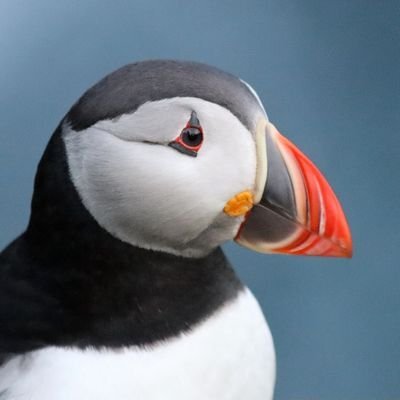
🌍🌏 Tawny Owl (Strix aluco) #EurasianBirds #EuropeanBirds #AsianBirds #AfricanBirds | #TawnyOwl #BrownOwl #StrixAluco | #Owls #TypicalOwls #TrueOwlFamily #BirdsOfPrey 📷: Photo by TheOtherKev🦉 #MyBirdcards | #birdsoftheworld #birds ❤️🦜

🌍 Dunnock (Prunella modularis) #EurasianBirds #EuropeanBirds #AsianBirds | #Dunnock #PrunellaModularis | #Dunnocks #Accentors #AccentorFamily #PerchingBirds 📷: Photo by Gruendercoach🦉 #MyBirdcards | #birdsoftheworld #birds ❤️🦜

🌍🌏 Great Tit (Parus major) #EurasianBirds #EuropeanBirds #AsianBirds #AfricanBirds | #GreatTit #ParusMajor | #Tits #TitFamily #ChickadeeFamily #TitmouseFamily #PerchingBirds 📷: Photo by Ruiterlijk🦉 #MyBirdcards | #birdsoftheworld #birds ❤️🦜
Training in the Dark
Some birds seem determined to test a photographer’s patience — or their low-light technique. Lately I keep stumbling into the same situation: dark birds on dark water, surrounded by even darker environments. And this time the mystery guest was a Tufted Duck (Aythya fuligula), the Dutch kuifeend, calmly drifting through the shadows at Oranjezon in Zeeland.
Photographing a mostly black bird on black water is a bit like trying to sketch a raven at midnight with a broken pencil. But that’s where the fun begins. With the Canon 5D Mark IV paired with the Sigma 100–400mm, I went for the now-familiar approach: low shutter speed, high ISO, and careful handheld tracking. A balancing act between motion blur and noise, exposure and detail. But when it clicks, it clicks — and this frame caught the elegance of the bird without losing the texture of those inky ripples.
This moment was extra special because I was there with my son. He wanted to escape the pressure of school for a bit, so we drove off at 6:00 in the morning and reached the coast before sunrise. By the time I took this image — around 10:00 — the world had softened, he’d relaxed, and we were just two people sharing cold air, quiet water, and the calming rhythm of nature.
Honestly? Those father-son moments mean more than any perfect exposure ever will.
#TuftedDuck #AythyaFuligula #Kuifeend #Waterfowl #Zeeland #Oranjezon #DutchNature #BirdPhotography #WildlifePhotography #Canon5DMarkIV #Sigma100400 #LowLightPhotography #DarkWaterShots #HandheldPhotography #TrackingShots #NatureLovers #BirdWatching #AvianLife #WildlifeMoments #FatherSonTime #NatureAsTherapy #SchoolStressRelief #EarlyMorningPhotography #BeforeSunrise #CoastalWildlife #EuropeanBirds #BirdingNetherlands #ScientificCuriosity #FieldNotes #StoryBehindTheShot #PhotographyPractice #NatureJournal #ExposureChallenges #ISOHigh #ShutterSpeedLow #NaturalMood #MoodyNature #CalmWaters #WaterBirds #ByMaikeldeBakker
Some birds seem determined to test a photographer’s patience — or their low-light technique. Lately I keep stumbling into the same situation: dark birds on dark water, surrounded by even darker environments. And this time the mystery guest was a Tufted Duck (Aythya fuligula), the Dutch kuifeend, calmly drifting through the shadows at Oranjezon in Zeeland.
Photographing a mostly black bird on black water is a bit like trying to sketch a raven at midnight with a broken pencil. But that’s where the fun begins. With the Canon 5D Mark IV paired with the Sigma 100–400mm, I went for the now-familiar approach: low shutter speed, high ISO, and careful handheld tracking. A balancing act between motion blur and noise, exposure and detail. But when it clicks, it clicks — and this frame caught the elegance of the bird without losing the texture of those inky ripples.
This moment was extra special because I was there with my son. He wanted to escape the pressure of school for a bit, so we drove off at 6:00 in the morning and reached the coast before sunrise. By the time I took this image — around 10:00 — the world had softened, he’d relaxed, and we were just two people sharing cold air, quiet water, and the calming rhythm of nature.
Honestly? Those father-son moments mean more than any perfect exposure ever will.
#TuftedDuck #AythyaFuligula #Kuifeend #Waterfowl #Zeeland #Oranjezon #DutchNature #BirdPhotography #WildlifePhotography #Canon5DMarkIV #Sigma100400 #LowLightPhotography #DarkWaterShots #HandheldPhotography #TrackingShots #NatureLovers #BirdWatching #AvianLife #WildlifeMoments #FatherSonTime #NatureAsTherapy #SchoolStressRelief #EarlyMorningPhotography #BeforeSunrise #CoastalWildlife #EuropeanBirds #BirdingNetherlands #ScientificCuriosity #FieldNotes #StoryBehindTheShot #PhotographyPractice #NatureJournal #ExposureChallenges #ISOHigh #ShutterSpeedLow #NaturalMood #MoodyNature #CalmWaters #WaterBirds #ByMaikeldeBakker

The tiny drama on the shoreline
At the beach of Oranjezon in Zeeland, I stumbled into a miniature comedy act starring two birds with very different personalities. In Dutch we call them a Steenloper and a Drieteenstrandloper — but internationally they’re known as the Ruddy Turnstone (Arenaria interpres) and the Sanderling (Calidris alba).
The Turnstone was doing its usual business: flipping over shells and stones with impressive determination, searching for hidden snacks. But right behind it — practically glued to its tail — the Sanderling trotted along, refusing to be shooed away. The back-and-forth between them felt like watching a feathered version of the Roadrunner and Wile E. Coyote, tiny legs moving at ridiculous speeds.
Photographically, this was a fun challenge. A dark grey day, the sea rolling in behind them, and me lying low with the Canon 5D Mark IV and Sigma 100–400mm at 400mm. Because of the poor light I had to work with a slower shutter speed (1/250s). Tracking two hyperactive birds at that focal length is like trying to thread a needle in a storm — but somehow it worked. The legs slightly blurred just enough to show their speed, while the birds themselves stayed sharp.
I’m honestly proud of this one. A little slice of nature, comedy, and chaos — exactly as it happened on that windy Zeeland beach.
#RuddyTurnstone #ArenariaInterpres #Sanderling #CalidrisAlba #Shorebirds #BeachBirds #Zeeland #Oranjezon #DutchNature #BirdWatching #BirdPhotography #WildlifePhotography #NatureLovers #Canon5DMarkIV #Sigma100400 #TelephotoMagic #TrackingShots #LowAnglePhotography #BirdBehavior #FeatheredFriends #CoastalWildlife #NatureComedy #FastLittleLegs #BlurAndSharp #WildlifeMoments #EuropeanBirds #AvianLife #BeachWalks #StoryBehindTheShot #FieldNotes #NatureDiaries #ScientificCuriosity #PhotographyChallenges #GreyDayPhotography #BirdingNetherlands #NatureReserve #CoastalEcosystem #AnimalInteractions #TinyDrama #ByMaikeldeBakker
At the beach of Oranjezon in Zeeland, I stumbled into a miniature comedy act starring two birds with very different personalities. In Dutch we call them a Steenloper and a Drieteenstrandloper — but internationally they’re known as the Ruddy Turnstone (Arenaria interpres) and the Sanderling (Calidris alba).
The Turnstone was doing its usual business: flipping over shells and stones with impressive determination, searching for hidden snacks. But right behind it — practically glued to its tail — the Sanderling trotted along, refusing to be shooed away. The back-and-forth between them felt like watching a feathered version of the Roadrunner and Wile E. Coyote, tiny legs moving at ridiculous speeds.
Photographically, this was a fun challenge. A dark grey day, the sea rolling in behind them, and me lying low with the Canon 5D Mark IV and Sigma 100–400mm at 400mm. Because of the poor light I had to work with a slower shutter speed (1/250s). Tracking two hyperactive birds at that focal length is like trying to thread a needle in a storm — but somehow it worked. The legs slightly blurred just enough to show their speed, while the birds themselves stayed sharp.
I’m honestly proud of this one. A little slice of nature, comedy, and chaos — exactly as it happened on that windy Zeeland beach.
#RuddyTurnstone #ArenariaInterpres #Sanderling #CalidrisAlba #Shorebirds #BeachBirds #Zeeland #Oranjezon #DutchNature #BirdWatching #BirdPhotography #WildlifePhotography #NatureLovers #Canon5DMarkIV #Sigma100400 #TelephotoMagic #TrackingShots #LowAnglePhotography #BirdBehavior #FeatheredFriends #CoastalWildlife #NatureComedy #FastLittleLegs #BlurAndSharp #WildlifeMoments #EuropeanBirds #AvianLife #BeachWalks #StoryBehindTheShot #FieldNotes #NatureDiaries #ScientificCuriosity #PhotographyChallenges #GreyDayPhotography #BirdingNetherlands #NatureReserve #CoastalEcosystem #AnimalInteractions #TinyDrama #ByMaikeldeBakker

🌍🌏 Grey heron (Ardea cinerea) #EurasianBirds #EuropeanBirds #AsianBirds #AfricanBirds | #GreyHeron #ArdeaCinerea | #Herons #HeronFamily #WadingBirds #Waterbirds 📷: Photo by dragh🦉 #MyBirdcards | #birdsoftheworld #birds ❤️🦜

🌍🌏 Common Blackbird, female (Turdus merula) #EurasianBirds #EuropeanBirds #AsianBirds #AfricanBirds | #CommonBlackbird #EurasianBlackbird #Blackbird | #Blackbirds #TrueThrushes #Thrushes #ThrushFamily #PerchingBirds 📷: Photo by susannp4🦉 #MyBirdcards | #birdsoftheworld #birds ❤️🦜

🌍🌏 Alpine Chough (Pyrrhocorax graculus) #EurasianBirds #EuropeanBirds #AsianBirds | #AlpineChough #YellowBilledChough #PyrrhocoraxGraculus | #Choughs #CrowFamily #PerchingBirds 📷: Photo by mzter🦉 #MyBirdcards | #birdsoftheworld #birds ❤️🦜

Client Info
Server: https://mastodon.social
Version: 2025.07
Repository: https://github.com/cyevgeniy/lmst