
Review of "Record of a Spaceborn Few" (5 stars): A Beautiful Meditation on Belonging and Impermanence
#anicca


#Buddhism's #ecological #philosophy frames #environmental care as #ethical imperative rather than mere conservation. Through #interdependence (#paṭiccasamuppāda), non-harming (#ahiṃsā), and the #Bodhisattva ideal, it extends #compassion to all sentient beings affected by #ClimateChange. #Impermanence (#anicca) invites #mindful engagement, not passivity, distinguishing natural cycles from #anthropogenic destruction.
🌍 https://www.fabriziomusacchio.com/weekend_stories/told/2025/2025-11-17-buddhism_and_the_environment/


Muzyka:
»Imepermanence prezentuje drugi singiel z albumu „Anicca”«
Krakowska formacja Impermanence przygotowuje się do premiery swojego debiutanckiego albumu "Anicca".
https://www.fahrenheit.net.pl/muzyka/imepermanence-prezentuje-drugi-singiel-z-albumu-anicca/
#Fahrenheit_zin #muzyka #SolidRock #blackmetal #rock #Imepermanence #Anicca #AlicjaMichalec #deathmetal

#Buddhist #cosmology adapts and critiques #Indian models, emphasizing #impermanence (#anicca), non-self (#anatta), and #DependentOrigination. Unlike #Hindu cosmology, it rejects creator gods and views cosmic realms as conditioned, not ultimate. Liberation, #nirvāna, lies beyond cosmological cycles. Here is a brief overview:
🌍 https://www.fabriziomusacchio.com/weekend_stories/told/2025/2025-09-14-buddhist_vs_indian_cosmology/

#Mosshōseki (没蹤跡) in #Zen #Buddhism expresses the ideal of acting without leaving traces of attachment or self-reference. Rooted in non-attachment and impermanence (#anicca), it advocates a #MiddleWay: engaging fully in life while letting go of outcomes, embodying freedom and responsibility.
🌍 https://www.fabriziomusacchio.com/weekend_stories/told/2025/2025-08-08-mosshoseki/

#Fudōshin (不動心), the "immovable mind", is a central #Zen concept denoting inner stability and #equanimity amid change. Rooted in Buddhist teachings on #impermanence (#anicca) and non-self (#anatta), it embodies resilience not through suppression, but through adaptive presence and non-reactivity. In this post, we briefly explore its significance in Zen practice and philosophy.
🌍 https://www.fabriziomusacchio.com/weekend_stories/told/2025/2025-08-06-fudoshin/

#ShinjinDatsuraku ("dropping off body and mind") is a pivotal #Zen concept expressing the experiential release of self-attachment and dualistic identification. Central to #Dōgen's teaching, it reflects the Buddhist insight into non-self (#anatta) and #impermanence (#anicca), emphasizing liberation through letting go rather than accumulation. This post briefly explores its meaning and practice in Zen.
🌍 https://www.fabriziomusacchio.com/weekend_stories/told/2025/2025-08-04-shinjin_datsuraku/

Review of "Lord of Light" (4 stars): Intrigue at the Edge of the Mortal

In #Buddhism, #avidyā (#ignorance) is not mere lack of knowledge, but a deep-rooted misperception of reality — especially regarding impermanence (#anicca), non-self (#anatta), and causality. Overcoming avidyā is central to liberation, requiring transformative insight rather than intellectual learning.
🌍 https://www.fabriziomusacchio.com/weekend_stories/told/2025/2025-06-02-avidya/
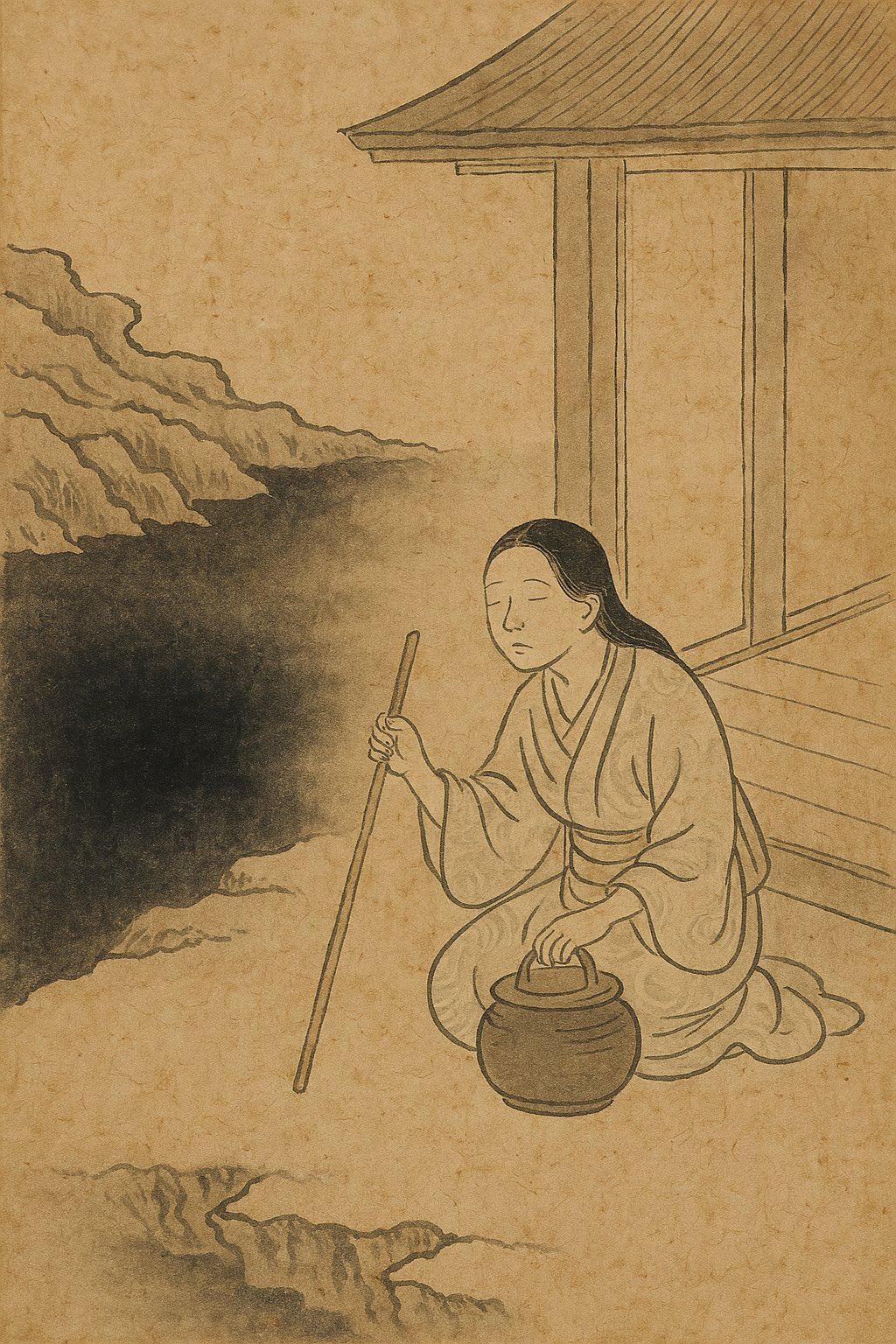
#Prajñā, or wisdom, is central in #Buddhism as direct, experiential insight into reality’s impermanence (#anicca), non-self (#anatta), and emptiness (#sunyata). Distinct from intellectual knowledge, it is cultivated through study, reflection, and #meditation, and is inseparable from #compassion. In this post, I summarized key aspects of Prajñā across different Buddhist traditions, its role in the #NobleEightfoldPath, and its significance in daily life:
🌍 https://www.fabriziomusacchio.com/weekend_stories/told/2025/2025-06-04-prajna/
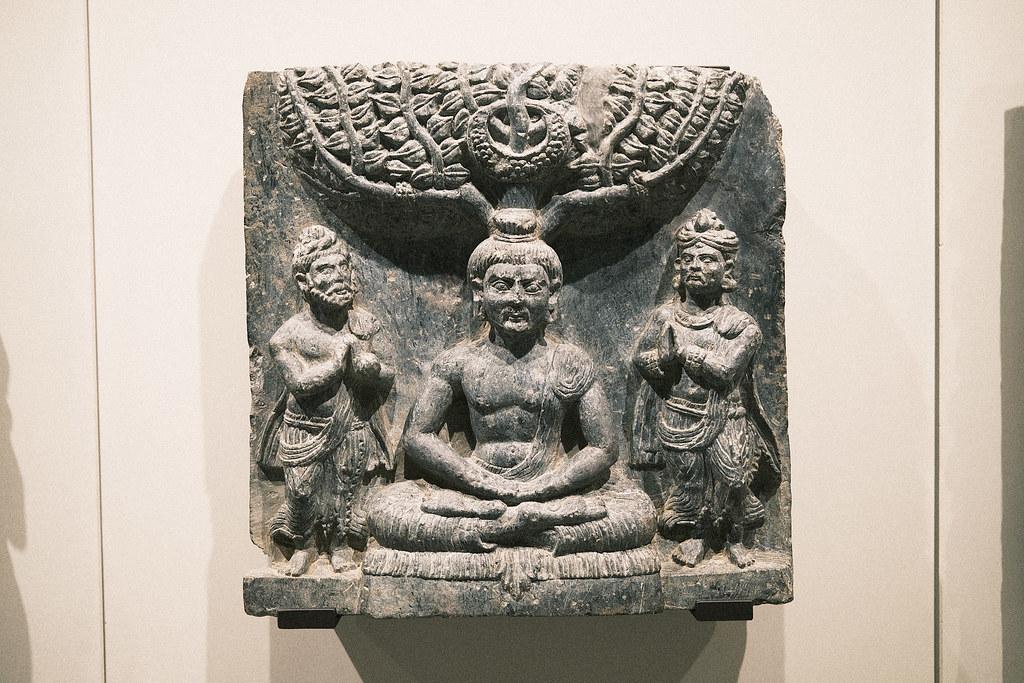
#DependentOrigination (paṭicca-samuppāda) is a central Buddhist doctrine describing how all phenomena arise and cease due to interdependent causes and conditions. Through the twelve links (#nidanas), it explains the emergence of suffering (#dukkha) and the path (#magga) to its cessation, emphasizing impermanence (#anicca) and the absence of a permanent self (#anatta):
https://www.fabriziomusacchio.com/weekend_stories/told/2025/2025-05-31-dependent_origination/
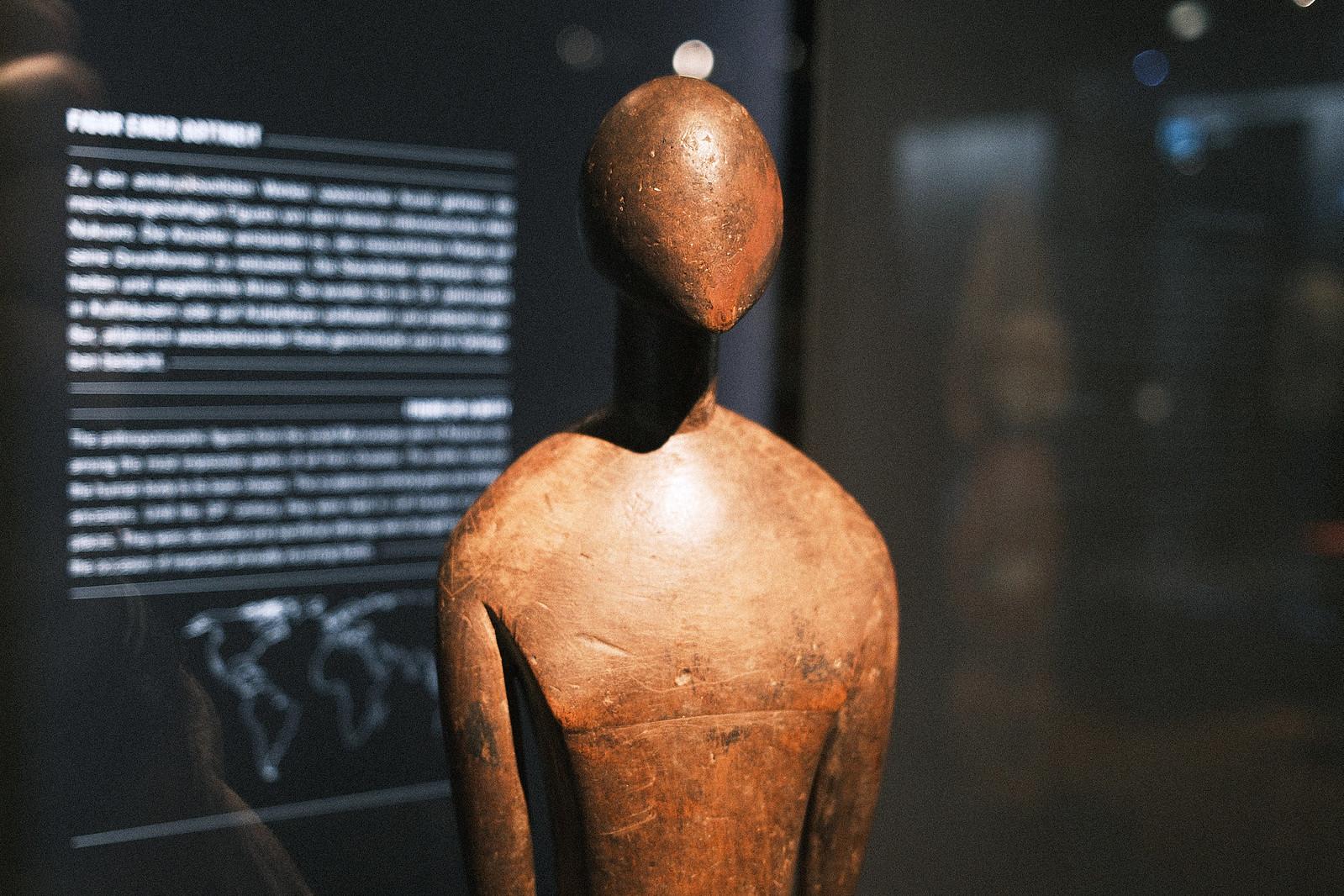
The #FiveAggregates (#skhandhas) in #Buddhism offer a profound analysis of the self, revealing it as a dynamic process rather than a fixed entity. This framework deconstructs the illusion of a permanent self by examining form, feeling, perception, mental formations, and consciousness. In Buddhist thought, understanding these leads to insight into impermanence (#anicca) and non-self (#anatta), guiding toward liberation from suffering (#dukkha):
🌍 https://www.fabriziomusacchio.com/weekend_stories/told/2025/2025-05-30-skandha/

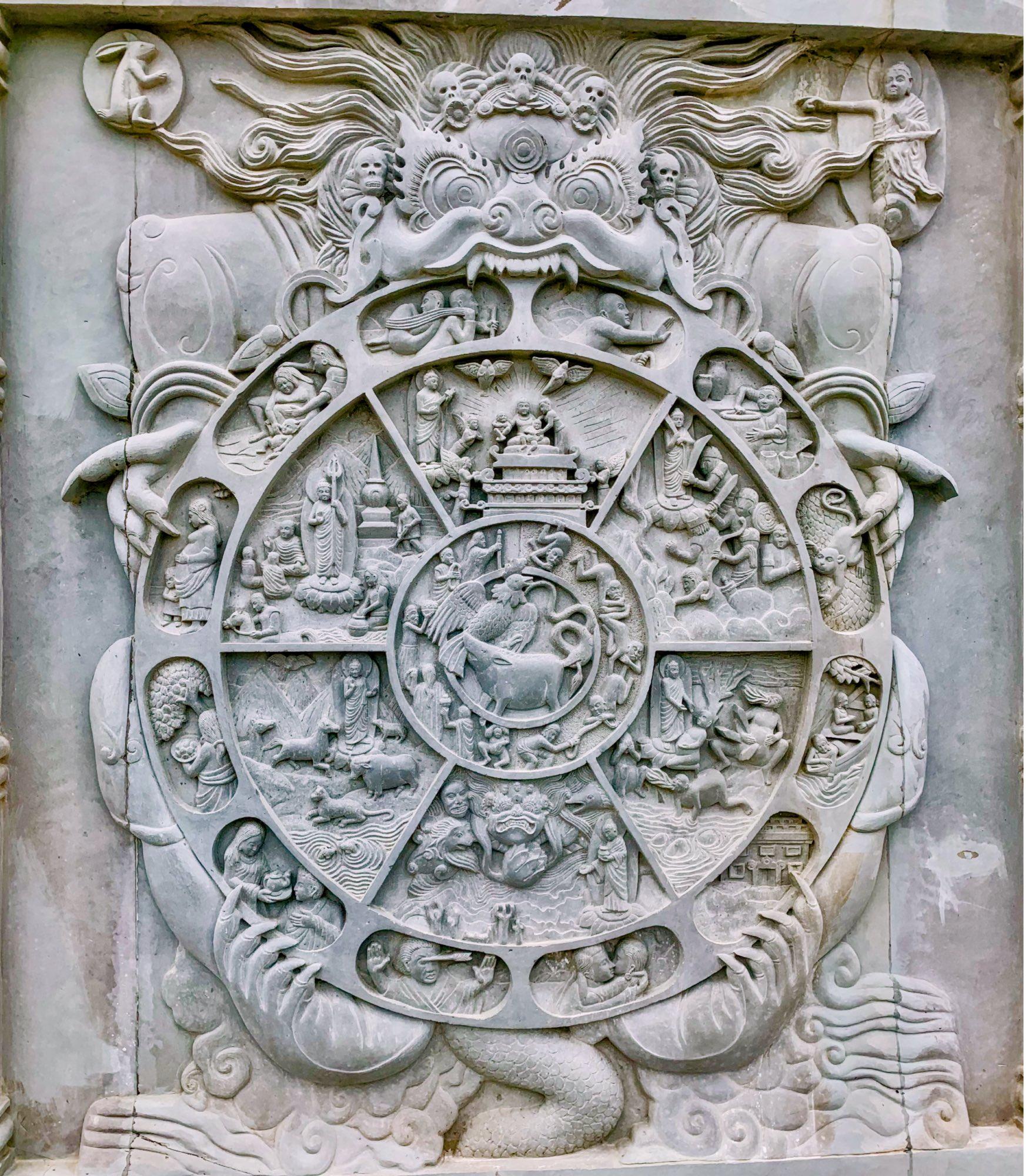
The Three Marks of Existence — impermanence (#anicca), suffering (#dukkha), and non-self (#anatta) — form the core of the Buddhist understanding of reality. In Buddhist thought, these principles reveal the nature of existence and the true roots of suffering. I have summarized key aspects of this perspective in a new post here:
🌍 https://www.fabriziomusacchio.com/weekend_stories/told/2025/2025-05-24-three_marks_of_existence/


Het hart van het boeddhisme klopt in onzekerheid (3)
Een dans in het donker
Stel je voor dat je in een donkere kamer staat. Voor je danst iemand sierlijk rond, maar je ziet hem alleen als je er met een zaklamp op schijnt. Zodra je dat doet, schrikt hij en verandert van richting. Je kunt hem dus alleen volgen door het licht een beetje losjes te laten dwalen. Je ziet nooit precies waar hij is én waar hij heen beweegt. Precies dat is het mysterie van de kwantumwereld: zodra je iets vastlegt, verandert het.
Het onzekerheidsprincipe van Heisenberg laat zien dat je in de natuurkunde nooit tegelijkertijd de exacte plaats én de snelheid van een deeltje kunt kennen. Hoe preciezer je het een probeert te meten, hoe ongrijpbaarder het andere wordt. Dit is geen meetfout. Het is de werkelijkheid. De wereld is geen machine met vaste tandwielen, maar eerder een subtiele dans – veranderlijk, gevoelig voor aandacht, altijd in beweging.
Leven met onzekerheid
Toch proberen we in het dagelijks leven vaak wél die vaste tandwielen te vinden. We plannen, meten en controleren – ons werk, onze emoties, onze lichamen. Alsof het leven pas goed is als het voorspelbaar is. Maar op het meest fundamentele niveau van de werkelijkheid is controle een illusie. De kwantumwereld laat ons zien: het leven laat zich niet vastzetten. Zodra je iets probeert te fixeren, verandert het – zoals de danser in het donker.
Voor het boeddhisme is dit niets nieuws. In de leer van anatta (het niet-zelf) en anicca (vergankelijkheid) klinkt al eeuwenlang dat niets een vaste kern heeft, dat alles in beweging is. Wat we zijn, ontstaat in afhankelijkheid van omstandigheden – net als in de kwantumwereld. In die zin bevestigt de moderne fysica wat oude wijsheidstradities al lang wisten: het leven is geen object, maar een relatie. Geen zekerheid, maar een stroom.
Het grotere geheel
Waarom zouden wij mensen dan denken dat we alles moeten weten, benoemen, vastleggen? Juist het niet-weten is een poort. In de ruimte van onzekerheid ontstaan creativiteit, verbinding en intuïtie. Zoals een kwantumdeeltje pas betekenis krijgt in relatie tot de waarnemer, zo worden ook wij pas werkelijk zichtbaar in relatie tot anderen – en tot het grotere geheel.
We zijn geen losstaande individuen, maar knooppunten van relaties. Zoals Thich Nhat Hanh het noemde: inter-zijn.
De innerlijke verstoring
Wanneer we langdurig stress of trauma ervaren, raken onze hersenhelften uit balans. De linkerhelft – de kant van taal, analyse en controle – neemt het roer over. De rechterhelft – verbonden met gevoel, relaties en het grotere geheel – wordt overstemd. Zo verliezen we het contact met het nu. We proberen dan te navigeren op plannen en schema’s, terwijl ons innerlijk kompas uitgeschakeld is.
Maar juist in dat verlies kan een uitnodiging schuilen. Wat als we, net als in de kwantumwereld, durven leven met onzekerheid – niet als fout, maar als kern? Wat als we het ‘niet-weten’ niet meer vermijden, maar er thuis in raken?
Onzekerheid is geen fout in het systeem.
Onzekerheid is het systeem.
Luuk Mur ( 1952) is psycholoog en heeft een drietal boeken geschreven over de door hemzelf ontwikkelde hulpverleningsmethode communitysupport. Hij is lid van de Dzogchen Community Nederland. Dzogchen is een vorm van Tibetaans boeddhisme waarbij veel belang wordt gehecht aan de ontwikkeling van individueel bewustzijn. Bij deze traditie streeft men naar non-dualiteit van het bewustzijn. Mensen zijn zich niet alleen bewust ( je weet dat je dit leest), maar je kunt je ook bewust zijn van dit eerste bewustzijn. Dit meta-bewustzijn wordt ‘gewaarzijn’ genoemd.
Dit is een automatisch geplaatst bericht via ActivityPub.
#anicca #annatta #dansInHetDonker #kwantumwereld #onzekerheid #onzekerheidsprincipeVanHeisenberg #stress #ThichNhatHanh #trauma

📰 The Ending of Things (A free, 26-page article from 2001)
Tags: #Anicca #Life #Emptiness #Motivation #Mindfulness
https://buddhistuniversity.net/content/articles/ending-of-things_brahm

In the story of that prince who was protected and didn't know anything about the human condition and who then encountered the three messengers (a sick person, an aging person, a dead person - that is sickness, aging and death), wasn't his job just to "go forth" and experience all this by himself and "know" this deeply? Why the whole ordeal with sitting under the bodhi tree and "enlightenment" etc? Wouldn't he eventually and naturally - even as a prince - experience sickness, old age and death? And are those three messengers not teaching enough?
#Buddhism #dukkha #anicca #anatta #humancondition #ThreeMarksOfExistence #ไตรลักษณ์
#Buddhism #dukkha #anicca #anatta #humancondition #ThreeMarksOfExistence #ไตรลักษณ์

A beautiful snowy #ValentinesDay morning in #Berlin. Bittersweet—we're likely to see less and less snow here as #ClimateChange progresses.
#impermanence #anicca #anitya
#impermanence #anicca #anitya

A beautiful snowy #ValentinesDay morning in #Berlin. Bittersweet, as I know that we're likely to see less and less snow as #ClimateChange progresses.
#impermanence #anicca #anitya
#impermanence #anicca #anitya

☸️ Ambapālī's Verses (A free, 3-page sutta translation from 2019)
Tags: #Thig #Kayagatasati #Anicca #Aging
https://buddhistuniversity.net/content/canon/thig13.1

Client Info
Server: https://mastodon.social
Version: 2025.07
Repository: https://github.com/cyevgeniy/lmst