
Book Promotion: Brilliant selection of science fiction and fantasy books for you to read. Check them out to discover your next favourite author. #knaves #time #fedibookfair #dystopia #wizards #sorcery #dragons #space #fae #rogue #magic #dwarves #legendary #monsters #writing #knights #aliens #goodbooks #elves #military #boost #spaceship #ladies #amreading #dwarfs #planets #witches #readers #heroes #futurism #reading (b491) https://books.bookfunnel.com/sci-fi-fantasy-ku-january/pckd6ktbj4?utm_source=dlvr.it&utm_medium=mastodon
#Fae

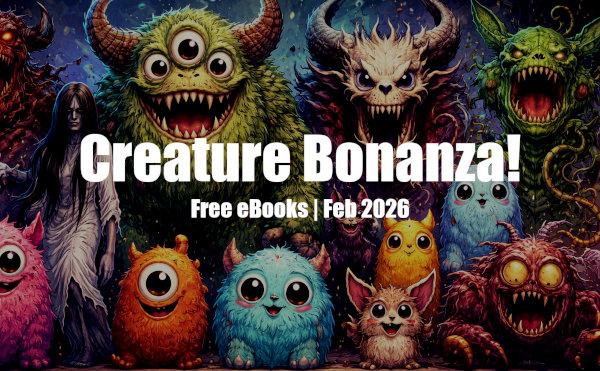
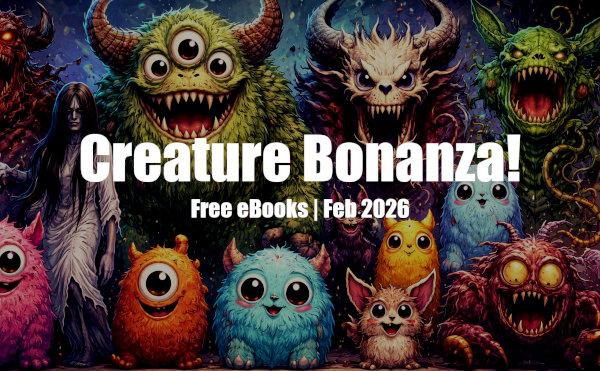
Book Promotion: Creatures and more in this collection of stories about unusual beasts, check them out and download for free. #spaceship #time #planets #fae #magic #legendary #dystopia #military #amreading #writing #sorcery #aliens #heroes #dragons #boost #space #reading #witches #futurism #fedibookfair #monsters #readers #wizards #goodbooks (6f68) https://books.bookfunnel.com/creature-bonanza/enxqxwizez?utm_source=dlvr.it&utm_medium=mastodon
Book Promotion: First in Series! Multi-genre promotion of books that are the first in a series - check it out to see what series you want to read next. #murder #sleuth #futurism #classic #rogue #boost #knaves #mystery #monster #dwarves #guns #dwarfs #future #amreading #ladies #aliens #knights #private #excitement #fae #action #planets #reading #amateur #magic #monsters #elves #readers #dystopia #adventure #legendary #fedibookfair #goodbooks #dragons #writing… https://books.bookfunnel.com/kufirsts-feb/pxayijoavp?utm_source=dlvr.it&utm_medium=mastodon

Book Promotion: Huge selection of Science Fiction and Fantasy stories from independent authors. Discover which author tickles your quantum spot (ooh-err). #futurism #time #military #space #dragons #sorcery #boost #amreading #rogue #reading #planets #dwarves #ladies #dwarfs #monsters #elves #dystopia #wizards #knaves #legendary #spaceship #heroes #fae #knights #aliens #goodbooks #writing #witches #magic #fedibookfair #readers (68d4) https://books.bookfunnel.com/sci-fantasy-kindle-unlimited/25p7e7viw7?utm_source=dlvr.it&utm_medium=mastodon

Book Promotion: Check out this great selection of free-to-download SciFi and Fantasy stories to discover your next favourite author. #dystopia #sorcery #time #dragons #futurism #boost #wizards #fedibookfair #reading #military #writing #witches #ladies #knights #dwarfs #dwarves #aliens #amreading #fae #planets #legendary #goodbooks #heroes #magic #monsters #readers #knaves #space #spaceship #elves #rogue (2861) https://books.bookfunnel.com/febfantasy/tdfxg01jtu?utm_source=dlvr.it&utm_medium=mastodon


ICYMI:🎧 Moment of Truth by Hailey Edwards
#BookReview #4Hearts #AudioBookReview #Fae #Necromancer #Shifters
https://booksofmyheart.net/2021/08/21/%f0%9f%8e%a7-moment-of-truth-by-hailey-edwards/?fsp_sid=10661


米倉涼子、遠藤憲一越しの城田優にうっとり「いい男前がいる」 – オリコンニュース
米倉涼子、遠藤憲一越しの城田優にうっとり「いい男前がいる」 オリコンニュース米倉涼子さん「登壇うれしい」 映画の完成披露イベントで(共同通信) Yahoo!ニュース米倉涼子、不 [...]
#MAGMOE #JP #JAPAN #Celebrity #EntertainmentNews #ae #entertainment #EntertainmentTopics #Fae #mae #movie #OD #PrimeVideo #エンタメ #エンタメトピック #映画
https://www.magmoe.com/2815575/entertainment-news/2026-02-10/

Book Promotion: Creatures and more in this collection of stories about unusual beasts, check them out and download for free. #writing #legendary #fedibookfair #witches #wizards #goodbooks #monsters #time #space #reading #heroes #fae #boost #sorcery #futurism #amreading #dystopia #planets #military #aliens #spaceship #dragons #magic #readers (8975) https://books.bookfunnel.com/creature-bonanza/enxqxwizez?utm_source=dlvr.it&utm_medium=mastodon

Book Promotion: Brilliant selection of science fiction and fantasy books for you to read. Check them out to discover your next favourite author. #time #spaceship #knaves #dwarfs #heroes #military #elves #aliens #sorcery #witches #writing #space #monsters #wizards #dragons #planets #dystopia #futurism #goodbooks #rogue #readers #ladies #reading #fae #legendary #dwarves #magic #fedibookfair #knights #amreading #boost (44ea) https://books.bookfunnel.com/sci-fi-fantasy-ku-january/pckd6ktbj4?utm_source=dlvr.it&utm_medium=mastodon

Book Promotion: First in Series! Multi-genre promotion of books that are the first in a series - check it out to see what series you want to read next. #dystopia #detective #planets #reading #rogue #amreading #dwarfs #monster #fae #amateur #murder #monsters #military #future #contemporary #fedibookfair #knights #classic #aliens #guns #dragons #private #elves #legendary #adventure #magic #excitement #ladies #goodbooks #knaves #boost #action #dwarves #writing #futurism… https://books.bookfunnel.com/kufirsts-feb/pxayijoavp?utm_source=dlvr.it&utm_medium=mastodon

Book Promotion: Huge selection of Science Fiction and Fantasy stories from independent authors. Discover which author tickles your quantum spot (ooh-err). #futurism #goodbooks #dragons #heroes #fae #aliens #spaceship #writing #amreading #readers #space #dwarves #elves #planets #legendary #boost #dystopia #knights #fedibookfair #reading #rogue #dwarfs #monsters #sorcery #military #knaves #time #witches #wizards #ladies #magic (609d) https://books.bookfunnel.com/sci-fantasy-kindle-unlimited/25p7e7viw7?utm_source=dlvr.it&utm_medium=mastodon

Book Promotion: Check out this great selection of free-to-download SciFi and Fantasy stories to discover your next favourite author. #military #heroes #rogue #knights #futurism #amreading #magic #dragons #ladies #boost #fedibookfair #time #fae #knaves #planets #spaceship #reading #witches #dwarves #wizards #sorcery #writing #dwarfs #aliens #readers #elves #legendary #goodbooks #space #monsters #dystopia (5945) https://books.bookfunnel.com/febfantasy/tdfxg01jtu?utm_source=dlvr.it&utm_medium=mastodon

Book Promotion: It's a kind of magic. Check out this eclectic set of fantasy stories that are free to download. #dwarfs #readers #heroes #dwarves #elves #fae #monsters #fedibookfair #rogue #writing #amreading #goodbooks #boost #legendary #wizards #knaves #ladies #knights #magic #reading #sorcery #witches #dragons (07e1) https://books.bookfunnel.com/magicalfantasygiveaway/fep8ncv5p9?utm_source=dlvr.it&utm_medium=mastodon

Book Promotion: Creatures and more in this collection of stories about unusual beasts, check them out and download for free. #fedibookfair #spaceship #witches #time #legendary #aliens #dystopia #writing #fae #heroes #wizards #goodbooks #reading #amreading #military #sorcery #boost #dragons #readers #planets #futurism #magic #monsters #space (0046) https://books.bookfunnel.com/creature-bonanza/enxqxwizez?utm_source=dlvr.it&utm_medium=mastodon

𝐓𝐡𝐢𝐬 𝐦𝐚𝐢𝐝𝐞𝐧 𝐧𝐞𝐞𝐝𝐬 𝐧𝐨 𝐬𝐚𝐯𝐢𝐧𝐠 𝐟𝐫𝐨𝐦 𝐭𝐡𝐞 𝐝𝐫𝐚𝐠𝐨𝐧. 𝐒𝐡𝐞 𝐢𝐧 𝐟𝐚𝐜𝐭, 𝐬𝐞𝐞𝐤𝐬 𝐭𝐡𝐞𝐦 𝐨𝐮𝐭…. 𝐓𝐨 𝐟𝐢𝐠𝐡𝐭 𝐭𝐡𝐞𝐦. 𝐘𝐞𝐚𝐡, 𝐭𝐨 𝐟𝐢𝐠𝐡𝐭…. 𝐌𝐚𝐲𝐛𝐞 +=={:::::::::::::::::> #chainmail #nsfw #fantasy #teehee #faesky #nudesky #monsterlover #fairmaiden #boostsky #maille #fae

Book Promotion: First in Series! Multi-genre promotion of books that are the first in a series - check it out to see what series you want to read next. #monsters #boost #knaves #knights #fae #murder #guns #goodbooks #amreading #monster #detective #private #futurism #reading #excitement #elves #writing #fedibookfair #dwarfs #ladies #dwarves #action #military #planets #sleuth #rogue #readers #legendary #classic #adventure #heroes #future #dragons #mystery #aliens #magic… https://books.bookfunnel.com/kufirsts-feb/pxayijoavp?utm_source=dlvr.it&utm_medium=mastodon


Spirituality & Religious Studiesspiritualityreligiousstudies.wordpress.com@spiritualityreligiousstudies.wordpress.com
2026-02-04Les Lavandieres
Also known as the Midnight Washerwomen.
They are 3 old washerwomen in Celtic mythology. Names in various Celtic languages include the kannerezed noz in Brittney & the Bean nighe in Gaelic. They can also be found in the Celtic folklore of Iberia as Las Lavanderas in Cantabria, As lavandeiras in Galicia or Les Llavanderes in Asturias, & in Portugal are known as Bruxas lavadeiras.
The 3 old women go to the water’s edge at midnight to wash shrouds for those about to die, according to the myth & folklore of Brittany. Or to wash the bloodstained clothing of those who are about to die, according to Celtic mythology. The Midnight Washerwomen may be related to the old Celtic tradition of the triple goddess of death & slaughter.
The washerwomen are small, dressed in green & have webbed feet. Their webbed feet may be the reason they’re also sometimes called the cannard noz (meaning “night ducks”) in Breton folklore.
In Brittany, they can be ominous omen, foretelling death, either one’s own or a death in the family. They’re very agile & strong physically, even when they don’t look so. The Breton washerwomen wash graveclothes, usually at night, under the moonlight.
They’re known to ask passers-by for help in wringing clothes, breaking the arms of those who so so reluctantly drowning those who refuse. The laundry they wash is never just clothing. It’s the shroud of a person soon to die. Or the blood-stained linens of those they’ve already “claimed.”
The legend of the Lavandieres is deeply rooted in the social expectations of 18th & 19th century rural life. In Brittany, the myth was often used as a “cautionary tale” by the Church. Washing laundry was grueling, back-breaking work.
Doing laundry on Sunday was considered a sin of greed or pride. The Lavandieres were said to be women “undone by their own labor,” forced to wash for eternity because they didn’t respect the Sabbath.
In many versions, if a traveler encounters them, the hags will ask for help wringing out the wet linens. If you twist the cloth in the same direction as the washerwoman, you’ll be crushed or have your arms snapped. You must twist in the opposite direction to survive. This mirrors the folk-logic found in many religious exorcism rituals: countering the supernatural by reversing its motion.
In Ireland, they’re an ominous omen, foretelling death, either one’s own or a death in the family. The washerwomen of Ireland wash the bloodied shirts of those about to die.
In Scotland, if one can get between the washerwomen & the water, they’re required to grant 3 wishes in exchange for 3 questions answered truthfully. If you lie, the consequences are fatal. She’s often described as having only 1 nostril, a large protruding front tooth, & webbed feet. She wears green (the color of the fae). There’s also a tradition in Scotland of a single washer at the ford, the goddess Clotha, who gives the River Clyde its name.
In Wales & Cornwell, a passerby must avoid being seen by the washerwomen. If they do get seen however they’re required to help wring out the sheets. If they twist the sheets in the same direction as the washerwomen, the individual’s arms will wretched from their sockets & they’ll get pulled into the wet sheets & killed instantly. If, however, they twist in the opposite direction, the washerwomen are required to grant the person 3 wishes.
One-Time Monthly YearlyMake a one-time donation
Make a monthly donation
Make a yearly donation
Choose an amount
$1.00 $5.00 $10.00 $1.00 $5.00 $10.00 $5.00 $10.00 $15.00Or enter a custom amount
$Your contribution is appreciated.
Your contribution is appreciated.
Your contribution is appreciated.
DonateDonate monthlyDonate yearly #18thCentury #19thCentury #Aslavandeiras #Asturias #BretonFolklore #Brittany #BruxasLavadeiras #CannardNoz #Cantabria #CelticMythology #Clotha #Cornwall #Fae #Galicia #Iberia #Ireland #LasLavanderas #LesLavandieres #LesLlavanderes #MidnightWasherwomen #Portugal #Sabbath #TripleGoddess #Wales

Fae Pg 46
This one is some sort of nature mage maybe? Fun playing with a bit of underlighting.
15x Replay:
https://youtu.be/jjgpWTYdReA
YT Short:
https://youtube.com/watch/XDB03VWr-JM

Fae Pg 45
This one is another salty dog, scallywag, pirate.
17x Replay:
https://youtu.be/dBax27GAHVA

Book Promotion: Brilliant selection of science fiction and fantasy books for you to read. Check them out to discover your next favourite author. #elves #boost #ladies #planets #fae #dystopia #fedibookfair #aliens #reading #sorcery #writing #readers #dwarves #time #spaceship #space #legendary #wizards #monsters #military #rogue #dwarfs #knaves #dragons #heroes #knights #goodbooks #amreading #witches #magic #futurism (6667) https://books.bookfunnel.com/sci-fi-fantasy-ku-january/pckd6ktbj4?utm_source=dlvr.it&utm_medium=mastodon

Client Info
Server: https://mastodon.social
Version: 2025.07
Repository: https://github.com/cyevgeniy/lmst