Effects of AI on cryptozoology
The world of cryptids is lousy with hoaxes, and will always be. It’s enticing, and now very easy, for creative content producers to pass off fake eyewitness accounts, photos, and videos as “real”. Countless creators do it for the purpose of attention and notoriety, ad revenue, or to promote a particular view using a fraudulent piece of “evidence” with the excuse that the real evidence is out there (aka, a pious fraud). Controversial images and stories are more likely to be shared and commented upon.
In the last 20 years, we’ve seen the mainstreaming of photoshopped images, computer generated graphics, and artificial intelligence applications that can generate realistic images and video. But more importantly, the platform for freely distributing and promoting content immediately and worldwide with no filtering or vetting is a key factor. The creator of the cryptid image or story is no longer subject to fact-checking and can even be anonymous (and still profit).
We ought to know better by now than to accept visual evidence at face value. A singular instance captured by photo and video evidence was never sufficient to claim an extraordinary animal was real because of the potential for error or fakery. But now, it is blatantly obvious that the majority of cryptid media is manufactured.
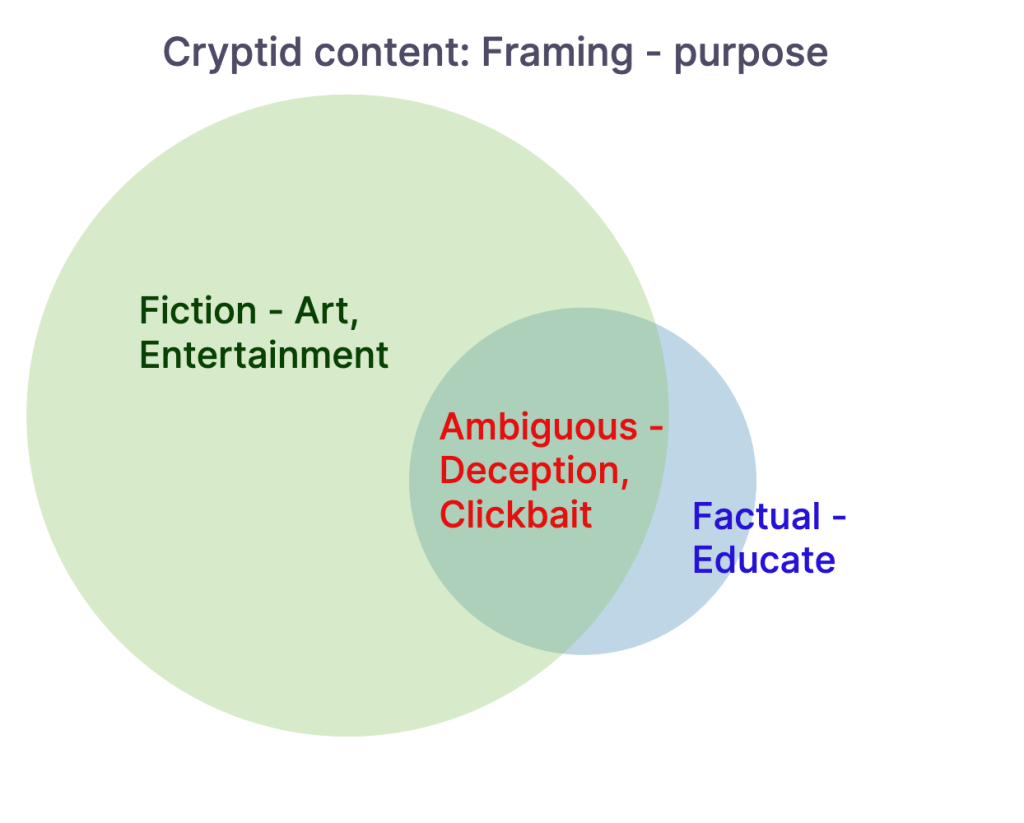
Digitally manufactured cryptid content falls into two general baskets: 1. fictional/fantasy art and entertainment content, and 2. factual info intended for education. The problem is the very ambiguous and liminal area in between, where you might not be able to tell fact from fiction.
Faking evidence
Early in the flood of content generated by Artificial Intelligence (AI), blatantly fake images showing “historical” evidence of Bigfoot and Yeti were making the rounds on social media. One image was so popular that Snopes.com had to debunk it. Soon after, the image was being circulated on video platforms as evidence of the Yeti. While for some, they can immediately recognize that the AI-generated images are a rather uncreative form of modern art/commentary, there will always be the gullible who think it’s real.
Nothing about this looks reasonable/real.
In Fortean Times 452 (2024), Dr. Karl Shuker pointed out the growing problem of AI generated videos and images circulated as real cryptids. Correspondents sent him images that were said to depict real animals. Any semi-expert eye could spot the flaws in these “too good to be true” images. But, remember that people thought mermaids were real when fooled by a deceptive “documentary” in 2012. Never underestimate public gullibility.
Other images and videos are designed to be vague so you cannot immediately spot a “too good to be true” cryptid. Replicating the ambiguous and far away versions that have always been available as controversial cryptid evidence, these examples are often shared just for the public to argue about them. Controversial topics, particularly with visuals, will generate more sharing, clicks, and audience participation, as commenters feel compelled to add their positive or negative opinions.
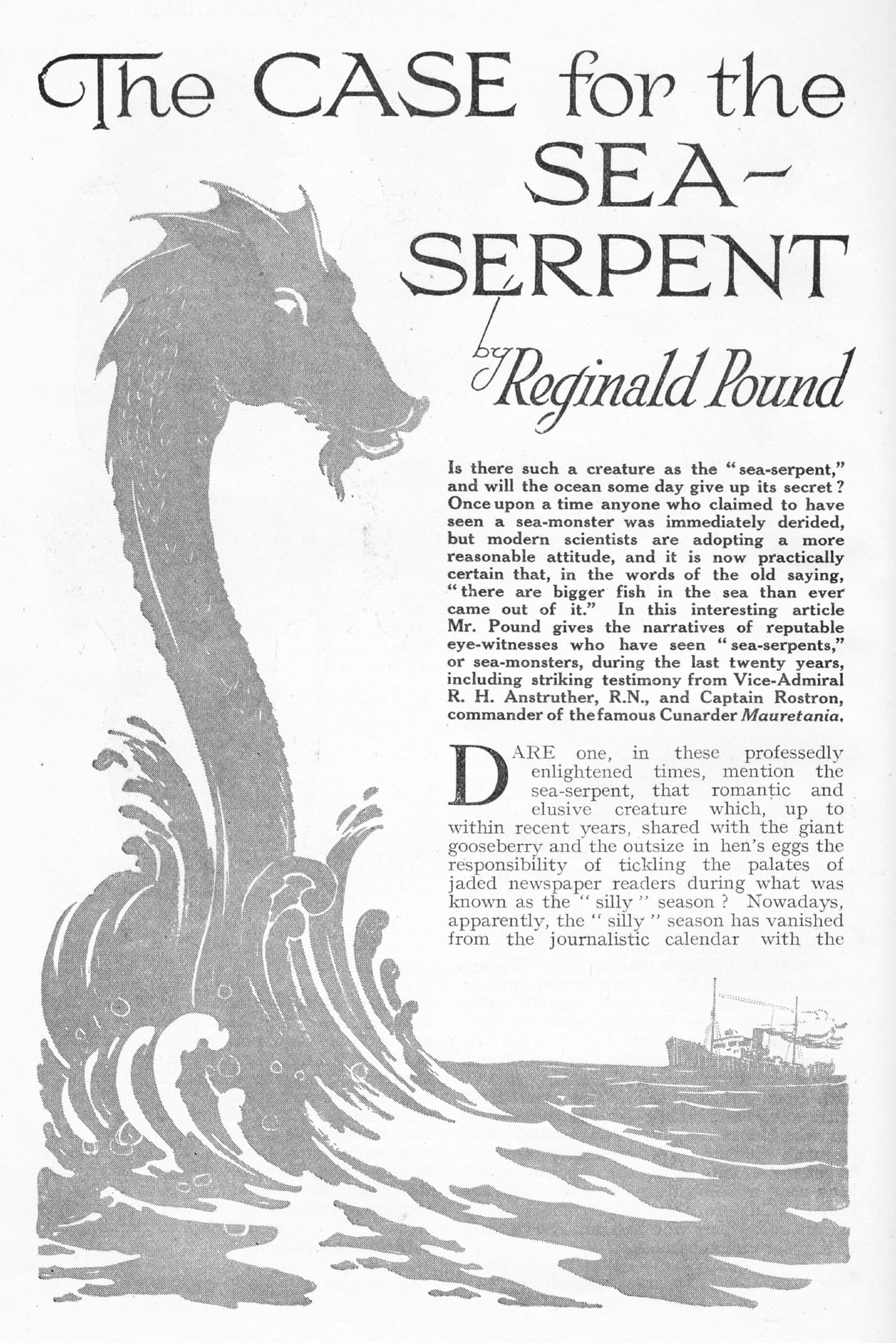
The typical excuse of “why would people lie/hoax” is pointless now – they will do it simple because they can. The Loch Ness Centre, that tracks sightings, has to consider that every photo they get purportedly of Nessie might be AI generated. The Centre announced in 2025 that they were employing a team of consultants to examine the visual evidence for hoaxing. Actually, the direct route is to not accept this kind of evidence at all. The odds are overwhelming that any image is not going to show anything worthwhile. Evidence needs to be far better than that. However, supposed sightings, no matter how blurry, are good for tourism.
By default, if the visual is clear, we should assume it is hoaxed, manipulated, or created outright, as that is so simple to do. While people are still using costumes and makeup to fake sightings, now you don’t even need that. You simply put a description in a prompt and it’s done.
Short form video platforms were flooded with AI generated content as the software and apps become easier to use. You can quickly find many YouTube videos that purport to have collected “Real cryptids caught on video – NOT AI” that are, indeed, all AI. These often feature pale crawlers, dogmen, “skinwalkers”, goatmen, or generally giant creepy monstrous things.
Some of the AI footage (like the “Yeti” photo) are made to look old in order to hide the flaws. These are sometimes dubbed “lost media” possibly hearkening back to the TV series The Lost Tapes (2008) that introduced fictional storylines and fake visuals of cryptids and paranormal events. Viewers, usually young people, often assumed it was real content.
Besides images and video, people posting AI generated fake news is on the rise. The news consumer has to be ultra-diligent and cross check information. A blatant example of fake cryptid news was about a coelacanth was found off the coast of California. On April 23, 2025, the website “Animals Around the Globe” published an article by “Esther Evangeline” claiming an “extraordinary find” by researchers in a remote-operated vehicle probing the deep areas 80 miles offshore of San Diego, California. They found a coelacanth! This was easily fact-checked as complete fiction. After trying to contact the author and website, this article still is up on the web site that identifies itself as educational.
Lifelike and imaginary
Far less harmful, and falling into the art/entertainment category are lifelike but imaginary AI content. In June 2025, video blog shorts (vlogs) materialized that featured cryptids rendered with amazing realism. These cryptid vlogs were stunning and humorous, with the cryptids pointing the video cam at themselves and their friends, making jokes, and showing the viewer what it’s like to be them being their best selves. They talk, sing, demonstrate life skills, discover cool things, and even interact with people. The first channel that kicked it off was @bigfootvlogs on TikTok on May 28, 2025. Driven by the availability of Google’s video generator Veo 3 AI software, the scene exploded with additional Bigfoot vlogs, Yeti, Mothman, Yowie, Rougarou, Nessie, Wendigo, etc. However, the novelty seems to be wearing off quickly.
The AI generated creatures are rendered from a giant database of what the collective culture has decided it looks like. While Bigfoot’s depiction was usually consistent, the Mothman creature looks different in each clip because Mothman is not as well-defined as Bigfoot. Therefore, the face, physique and wing descriptions can be more flexible.
Another type of content is made by horror creators who use cryptid themes to produce warped and extreme versions of bizarre creatures. They exaggerate features of real animals or humans – giant size and terrifying teeth are typical examples. Assuming the viewer doesn’t take this seriously, these function as an entertaining creepy short. Mostly, the commenters play along with silly jokes about it. They get it.
Reality-adjacent vids
Videos that look more real might grab a lot more people’s attention outside of the “Nightmarefuel” crowd. Many of these videos appear to come from Central and South America and feature what is said to depict a local folklore creature come to life. You can find the most popular of these videos being promoted by paranormal sites, like Coast to Coast AM. Such sites sometimes include an entirely uncritical summary about the location and background of the stated creatures which serves to prime, reinforce, and share the legend to a wider audience. These shorts almost never have appropriate details for investigation. That’s not their purpose. They are meant to be consumed and shared, not researched.
In March 2025, a short video of what is called a Chaneque, a goblin creature of Veracruz, Mexico, was promoted as real by a local TV network. It was a manipulated real video of a rock hyrax. The reveal was never widely publicized.
Inevitably, some English-speaking commenters are either childishly gullible (or actually are children) or they are playing along with alternative reality-shifting where it’s fun to believe these creatures exist. The popularity of these creature videos, and the willingness of paranormal sites to feature them show that cryptid content now cannot be taken seriously. Cryptids are becoming even more associated with fakes.
Digital-original cryptids
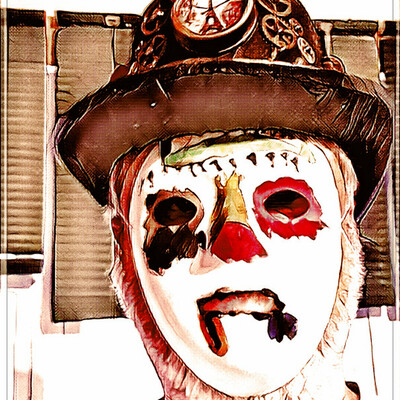
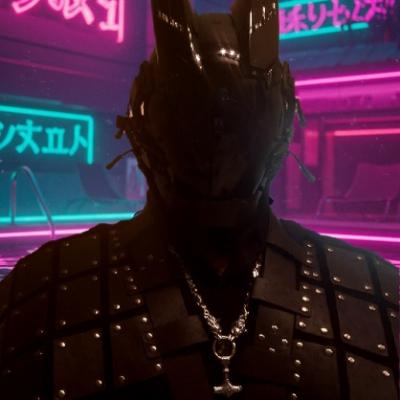
An entirely new phenomena arose from text to image software: all new cryptids. There were two labeled as the “first AI cryptid”, both appeared in 2022.
Loab
Loab was created by a text to image software in April 2022 where the command was to “create the opposite” of “Brando”. Wikipedia commentary lumped Loab in with the other “terrible risks” of AI but it was simply an innocuous thing people found scary. A few over-dramatic observers went overboard, referring to Loab as an AI demon or suggesting that the images are cursed. Essentially, Loab was Creepypasta – a fictional creation that the audience played along with as “real”.
Crungus
Crungus was also called the first digital cryptid but it was probably the second, with its origin in June 2022. The grumpy goatman-orc-like being was likely derived using words that sounded like “crungus”. It was created by comedian Guy Kelly using the nonsense word prompt in DALL-E app. The more probable derivation of Crungus is via a previously named character in online games.
Erosion bird/Opium bird
Erosion bird was created by user drevfx in 2023. The creature was striking and became a popular meme, also called the Opium bird. The created backstory indicated that the creature represented the god of decay, and could be found in Antarctica. A current meme pushes the warning that 2027 will be the year of the Erosion Opium bird.
Hellkite digital fake
The Hellkite was a digital art hoax with the same template as the infamous Thunderbird photo. On November 22, 2021 the Cryptid Creation Project indicated that the creature was “created by the community.” But there were no details on how it was created. It was an unreasonable blend of a pterosaur and bird. The descriptions as “a lost avian ancestor” made no sense. It was said to have the ability to camouflage and change color. The post include manipulated photos of game cam shots, an egg, a carcass, and descriptive artwork. A site exists for people to manufacture their own evidence of the Hellkite.
Will AI ruin cryptozoology?
This is already a long post but there are two more items to address: First, there are a slew of AI written books on cryptids now. They are awful. The general quality of cryptid-themed books is low, with only 1 or 2 scholarly books on the subject each year (if we’re lucky). The second problem is AI algorithms that are intended to amplify cultural trends. With the trends for cryptids already leaning heavily towards the paranormal and away from the serious zoological aspects, this will continue and get worse. There is no stopping it. The world will turn away from zoo-cryptids and towards the controversial para-cryptids. The boundaries of the word “cryptid” will continue to weaken and include more non-animals.
Circling back to the field itself, the effort to prove cryptids real is already a heavily tainted subject. After decades of looking for infamous cryptids – that are often seen but never captured – the evidence has gotten no better, even though the technology has. This is telling. Belief is propped up by a swing towards paranormal explanations, but also by hoaxes and ambiguous images.
AI is another tool to play with belief, imagination, and reality. A philosophical take is that AI itself is revealing creatures that were hidden. Where they came from is unknown, but what if they always existed in the digital ether and now we have the tools to discover them. If you declare your imagery is a cryptid, no one can prove you wrong, right? If enough people believe in it, the creature can manifest in our world, can’t it? (That’s the view of some over-enthusiastic cryptid fans.)
These manufactured creatures are products of our collective cultural views all mashed together to reveal something new. Audiences ponder over their realness or their possibility. The creatures acquire backstories that sound plausible. They feel real in our imagination and they certainly exist and proliferate online.
Fact or fiction, real or imaginary – cryptids have always existed in liminal spaces. AI is the latest tool used to spread ideas of mysterious creatures to everyone. It is on track to entirely ruin the serious efforts of cryptozoologists, but it has greatly expanded and spread the concepts of modern popular cryptids.
This is part 10 of the 12 Days of Cryptids.
#12DaysOfCryptids #AI #AICryptids #Crungus #cryptid #ErosionBird #Hellkite #Loab