
Calcutta High Court fines South Kolkata school for name mix-up denying Class 10 student Madhyamik exam admit card. Urgent action ordered. https://english.mathrubhumi.com/news/india/calcutta-high-court-madhyamik-exam-student-rights-qlwlmr27?utm_source=dlvr.it&utm_medium=mastodon #CalcuttaHighCourt #MadhyamikExam #EducationNews #StudentRights
#StudentRights


UGC समानता नियम 2026: कानून या केवल गाइडलाइंस? जानें क्यों सुप्रीम कोर्ट पहुंचा यह मामला और क्या है संवैधानिक विवाद (UGC Guidelines) #UGCGuideLines2026 #EducationLaw #SupremeCourtIndia #HigherEducation #UGCNews #EqualityRules2026 #UGC2026 #UGCGuidelines #IndianConstitution #SupremeCourt #EducationSystem #LawAndOrder #StudentRights #HigherEducationIndia #LegalNews #EqualityRules
https://vrnewslive.com/ugc-guidelines-law-and-order-education-system-legal/


Hình ảnh học sinh bị đưa lên mạng xã hội làm content mà không xin phép đang trở thành vấn đề nhức nhối trong ngành giáo dục. Từ vụ giáo viên livestream giờ thi, hành động tưởng chừng vô hại lại tiềm ẩn nhiều hệ lụy pháp lý và đạo đức. Cần cân nhắc kỹ quyền riêng tư và nhân phẩm của học sinh trước khi chia sẻ.
#Content #GiáoDục #HọcSinh #MạngXãHội #Livestream #QuyềnRiêngTư #Ethics #Education #SocialMedia #Privacy #StudentRights #ContentCreation #GiáoViên #TeacherEthics
Trường "ăn chặn" tiền A80 của sinh viên: Không tội lỗi nào có thể che giấu được. Vụ việc là hồi chuông cảnh tỉnh về đạo đức nghề giáo và trách nhiệm quản lý tài chính trong trường học. Sự việc cho thấy, hành vi sai trái dù được che đậy đến đâu rồi cũng bị phanh phui trước ánh sáng công luận. Cần xử lý nghiêm để răn đe và lấy lại niềm tin cho sinh viên, phụ huynh và xã hội.
#A80 #GiaoDuc #Sinhhoc #TienCongSuck #AnChan #ScandalGiaoDuc #VietnamEducation #StudentRights #EthicsInEducation #GiáoDục
📰 Nhiều sinh viên trả hàng trăm triệu đồng để chuẩn bị hồ sơ thạc sĩ, nhưng bằng đại học của họ không được Bộ Giáo dục & Đào tạo công nhận. Hậu quả: họ rơi vào bối cảnh suy sụp, mất thời gian và tài chính. Cần có giải pháp nhanh chóng, minh bạch để bảo vệ quyền lợi sinh viên và cải thiện quy trình công nhận bằng cấp.
#GiáoDục #BằngCao #SinhVien #MinistryOfEducation #EducationCrisis #Vietnam #StudentRights #HigherEd #ThacSi #BangKhongCongNhan
Ontario’s Bill 33 expands policing in schools and will erode democratic oversight
#Ontario #Canada #Bill33 #Education #SchoolSafety #Equity #Democracy #StudentRights #Accountability #SchoolBoards #EducationFunding #PublicEducation #Policing #The14
https://the-14.com/ontarios-bill-33-expands-policing-in-schools-and-will-erode-democratic-oversight/

Reports say Laghman University students are being expelled for trimming their beards. Is this about discipline or overreach? Should universities have such rules? Share your thoughts below! #LaghmanUniversity #AfghanNews #StudentRights #TalibanGroup Full details and link in the first comment!

Kerala`s General Education Minister V Sivankutty opposes using student volunteers for electoral roll revision, citing disruption to crucial academic activities and exams. https://english.mathrubhumi.com/news/kerala/education-minister-objects-student-volunteers-electoral-roll-revision-td4t6lno?utm_source=dlvr.it&utm_medium=mastodon #VSivankutty #SIRKerala #StudentRights #ElectionCommission #Education

Latest News: Serious questions on Al-Falah University
https://hindi.vaartha.com/national/serious-questions-on-al-falah-university/72167/
#AlFalahUniversity #EducationalFraud #FakeAccreditation #MoneyLaundering #StudentFraud #EDProbe #AlFalahScam #FinancialCrime #UniversityControversy #DelhiBlastLink #EducationScandal #FraudInvestigation #HigherEducationFraud #StudentRights

https://winbuzzer.com/2025/11/20/students-revolt-against-lazy-ai-generated-teaching-xcxwbn
Students Revolt Against ‘Lazy’ AI Generated Teaching
#AI #EdTech #HigherEd #OpenAI #ChatGPT #UK #StudentRights #GenAI #Education #AcademicIntegrity #AIEthics

JNU के चुनाव में एक बार फिर वाम मोर्चा का परचम, अध्यक्ष सहित चारों पदों पर ABVP को हराया।
https://aliyesha.com/sub/articles/news/display/nd_jnu_elections_2025
#delhi #newdelhi #india #news #press #JNU #JNUElections2025 #UnitedLeftVictory #ABVP #StudentPolitics #CampusDemocracy #LeftFrontWins #AditiMishra #Kopika #SunilYadav #DaneshAli #StudentRights #YouthLeadership #PoliticalChange #UniversityElections #DemocraticCampus #ElectionResults #NewLeadership
Enjoy tracker free reading with us. #privacy #privacymatters
The school authorities and PTA members visited the family and apologised. https://english.mathrubhumi.com/news/kerala/5-year-old-abandoned-on-road-for-delay-in-paying-bus-fee-in-malappuram-nawff53p?utm_source=dlvr.it&utm_medium=mastodon #schoolbusfees #latepayment #childabandonment #studentrights

ભુજ કોમર્સ કૉલેજ વિવાદ : ૫ વિદ્યાર્થીઓના સસ્પેન્શન સામે NSUIનો ઉગ્ર વિરોધ, રામધૂન સાથે પ્રદર્શન #Bhuj #NSUI #ABVP #KutchUniversity #StudentRights #BhujNews #StudentPolitics #BhujCollege
ભુજ કોમર્સ કૉલેજ વિવાદ#Bhuj #NSUI #ABVP #KutchUniversity #StudentRights #BhujNews #StudentPolitics #BhujCollege - ભુજની જે.બી. ઠક્કર કોમર્સ કૉલેજમાં ૫ વિદ્યાર્થીઓને ABVPના કાર્યક્રમમાં હાજર ન રહેવા બદલ સસ્પેન્ડ કરાયા. NSUIએ આ નિર્ણયને અયોગ્ય ગણાવી કચ્છ યુનિવર્સિટીમાં રામધૂન સાથે ઉગ્ર…
https://vrlivegujarat.com/bhuj-commerce-college-abvp-programe-student-nsui/

Latest News: TG Group 1 – Don't play politics with children's future
https://vaartha.com/tg-group-1-dont-play-politics-with-childrens-future/telangana/548707/
#TGGroup1 #TelanganaGroup1 #Group1Recruitment #TGPSC #TelanganaPolitics #EducationJustice #YouthFuture #PublicService #RecruitmentNews #ExamControversy #Transparency #JusticeForYouth #TelanganaNews #StudentRights #GovernmentJobs #LegalBattle #PublicInterest #FutureOfYouth #StopPolitics #EducationReform

Is More Discipline the Answer? What Texas House Bill 6 Means for Our Students, And Our Future
Texas just passed House Bill 6, and on paper, it looks like a crackdown on student “misbehavior.” It gives schools more power to suspend, expel, and isolate students—especially those labeled disruptive.
But here’s the question we’re not asking enough: is more discipline the answer?
Because if discipline were the solution, wouldn’t we have fixed this by now?
What’s In HB 6?
Let’s break it down.
Texas House Bill 6 allows:
- Unlimited in-school suspensions (ISS) with periodic review
- Out-of-school suspensions and expulsions for young children, including kindergartners and homeless students
- Placement in Disciplinary Alternative Education Programs (DAEP) even for virtual learning or off-campus incidents
- Charter schools to deny enrollment to students with certain criminal records
- Principals to send students out of class or campus for behavior they view as disruptive—even without a formal investigation
This law reverses protections that were intentionally put in place to support vulnerable kids.
The Argument For It
Supporters say HB 6 gives schools more flexibility. That it protects teachers. That it helps restore order in classrooms that are falling apart post-pandemic.
And I get that. Teachers are burned out. Classrooms are stretched. Some students are acting out because they’re carrying trauma no one has time—or resources—to address.
The impulse to remove “problem students” isn’t random. It comes from real frustration.
But reactionary policy made out of frustration rarely creates meaningful change.
What’s the Harm?
What happens when schools are told: “Here’s more power to punish—but no new resources to support”?
They isolate.
They remove.
They suspend.
Because it’s fast, cheap, and easy.
Let’s be real: most schools aren’t equipped with enough social workers, counselors, or trauma-informed staff. They’re already underfunded. And now, with the U.S. Department of Education being quietly dismantled, things are only going to get harder.
So instead of building up support, we just remove the student and call it a solution.
What Does That Teach Kids?
It teaches them they’re a problem.
That they don’t belong.
That if you mess up, you get pushed out—sometimes permanently.
And from there? It’s a straight line to policing, to criminalization, to being written off completely. We’ve seen it before. We know what the school-to-prison pipeline looks like. And we’re still walking down that road.
The Bigger Truth We Miss
Here’s the deeper truth: every time we remove a student, we teach them how disposable they are.
And that doesn’t just hurt them—it weakens all of us.
Because a kid who believes they’re a problem becomes an adult who struggles to believe in their own worth.
And a society filled with people who were shamed, shunned, and criminalized when they were most vulnerable? That’s not a society that’s going to thrive.
We should be building emotionally healthy, critically thinking human beings. Not pushing them out when they become inconvenient.
So, Is More Discipline the Answer?
If it comes with support, maybe.
But if it’s just more punishment with no healing? No growth? No equity?
Then no, it’s not the answer. It’s just easier.
And when easy policies hurt people, we need to do better.
What You Can Do
- If you’re in Texas: Ask your district how they’re applying HB 6. Are they capping ISS? Tracking data by race, ability, and housing status? Offering wraparound support?
- If you’re outside Texas: Stay alert. This kind of legislation travels. Talk to your school board about what’s happening in your community.
- Advocate: Push for restorative justice programs. Support mental health professionals in schools. Ask better questions. Demand more than discipline.
Because the measure of a school isn’t how fast it can suspend a kid. It’s how far it’ll go to keep them in the room.
📌 What would you want your child’s school to do instead of suspension?
💬 Drop a comment below, and let’s push this conversation deeper.
🎥 Watch the full video breakdown above
📩 Subscribe to the blog for more education justice content and real talk.
#educationalEquity #hb6 #issOss #publicEducationReform #schoolDiscipline #specialEducation #studentAdvocacy #studentRights #texasLegislation #traumaInformedSchools
What Happens If the Department of Education Disappears? The Quiet Dismantling of Your Rights
So… the U.S. Department of Education is being dismantled. And before you scroll past thinking this is just another bureaucratic shift or political talking point, let me stop you right there:
This affects your kids. Your students. Your community. You.
Back in March 2025, an executive order was signed to begin “winding down” the Department of Education. Thousands of staff—including people who oversee civil rights, special education, and student loans—have already been laid off. The Supreme Court greenlit these changes. And the plan is to hand federal responsibilities over to the states.
If that gives you pause, it should.
This isn’t about whether you like or dislike the current administration. It’s about what happens when you gut a federal department that exists to protect students—especially the most vulnerable ones.
Let’s talk about what’s at stake.
What the DOE Actually Does
The Department of Education isn’t just the testing police. It’s responsible for:
- Enforcing federal civil rights protections in schools
- Distributing funding to support students in low-income communities
- Upholding legal protections for students with disabilities
- Ensuring schools comply with anti-discrimination laws
When we cut federal oversight, we cut safety nets. And in a country where access to education already varies wildly based on ZIP code, that’s a dangerous move.
What’s at Risk: A Quick Breakdown
Here are just a few of the programs and protections tied to the DOE:
Title I: This provides federal funding to schools serving low-income communities. It helps cover things like reading specialists, school counselors, after-school programs, and meals. Without it, schools already stretched thin will have even less.
IDEA (Individuals with Disabilities Education Act): This ensures that students with disabilities receive free, appropriate public education. Think IEPs, speech therapy, and accommodations that help kids thrive. If states can’t or won’t pick up the slack, these services disappear.
Title IX: This law protects students from sex-based discrimination. It’s what schools use to address things like harassment, unequal athletics, and—depending on the state—protections for trans and nonbinary students.
Take away enforcement, and you take away the consistency. In one state, you’re protected. In another? You’re on your own.
Big Government vs. Small Government: Let’s Get Real
You’ve probably heard the argument: education should be local. That smaller government means more freedom and less bureaucracy.
Sounds good in theory. But let’s be honest—local control without federal oversight has historically meant segregation, inequity, and “you’re on your own if you’re not part of the majority.”
Here’s a more nuanced take:
Small government in education:
✅ Can create space for community-led innovation
❌ Can lead to wildly unequal access and protection
Big government in education:
✅ Creates baseline protections, funding equity, and civil rights enforcement
❌ Can feel impersonal and slow-moving
So instead of debating small vs. big, maybe the better question is:
How do we protect the rights of all students—no matter where they live—while still allowing space for local ideas and cultural responsiveness?
This Is Already Happening
This isn’t theory. The layoffs are real. The restructuring is real. And the services students rely on are disappearing in real time.
Even student loan management is being tossed around like a hot potato—possibly shifting to the Treasury or Small Business Administration. If your email’s been silent, that might be why.
The gutting of the DOE is happening fast and quietly. But that doesn’t mean we have to stay quiet too.
What You Can Do
You don’t need a degree in policy to take action:
- Find out if your child’s school receives Title I or IDEA funding.
- Ask your district what plans they have to replace federal support if it disappears.
- Attend school board meetings. Ask about equity. Ask about special ed. Ask who will enforce student rights.
- Contact your state representatives. This fight has officially moved to the states.
- Stay loud. Stay informed. Share this post. Talk about it.
Final Thoughts
This isn’t just about “big government” or “wokeness” or whatever the latest culture war slogan is. This is about real protections, real funding, and real consequences for millions of students.
You shouldn’t have to be wealthy—or lucky—to get a decent education. And if we let this go unchecked, that’s exactly what will happen.
🎥 Watch the full video breakdown at the beginning of the post.
💌 Subscribe to my newsletter for more truth + context.
🗣️ Drop your thoughts in the comments—especially if you’ve seen the impact of DOE changes in your school or state.
#bigVsSmallGovernment #DepartmentOfEducation #educationPolicy #educationalEquity #IDEA #publicSchools #schoolFunding #studentRights #TitleI #TitleIX
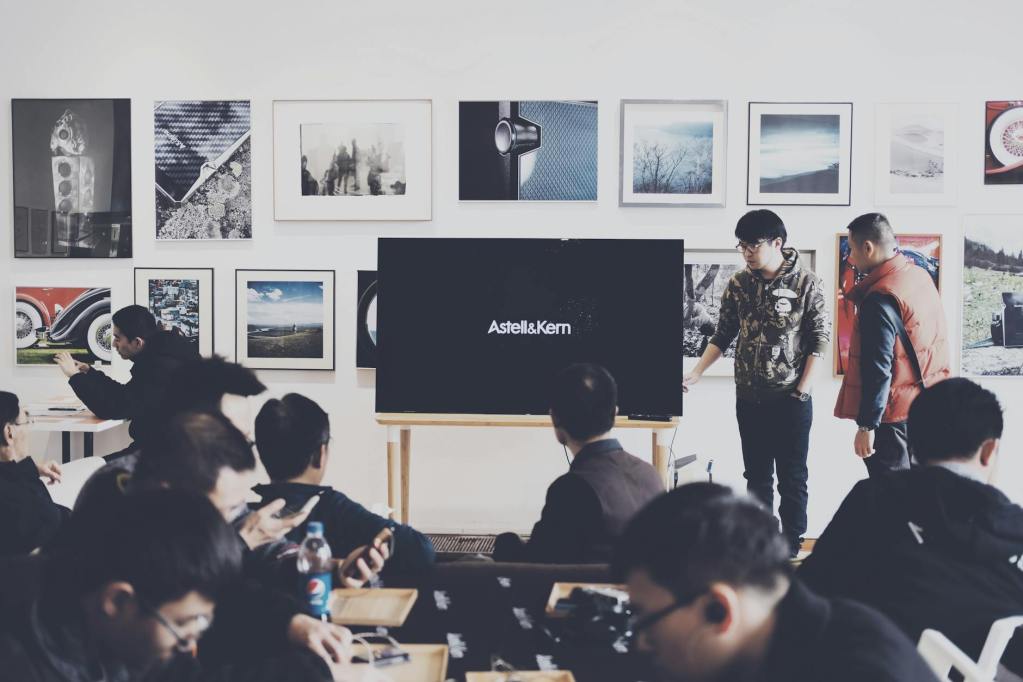
In Gaza, hundreds of thousands of students are forced to miss school for the second year in a row http://newsfeed.facilit8.network/TM2PwN #Gaza #Education #UNICEF #StudentRights #SchoolCrisis


🚨 Urgent Alert for Ontario Students! 🚨
The CSA is deeply concerned about the Ontario Government's Bill 33, the "Supporting Children and Students Act, 2025." This bill is a dangerous reattempt to undermine student autonomy, essential student services, and institutional independence.
Read our full press release to understand the impact and why #Bill33 is a threat to #StudentRights and #PostSecondaryEducation: csaonline.ca/bill33

🚨 From campus icon to accused predator.
Monojit ‘Mango’ Mishra, once the face of student politics in Kolkata, is now behind bars for the alleged gang rape of a law student inside South Calcutta Law College.
🧨 Years of impunity, political ties, and institutional silence—now exposed.
🔗 Read the full investigation:
https://news24media.org/monojit-mishra-student-leader-college-rape-case/
#MonojitMishra #CampusAssault #KolkataNews #JusticeForSurvivors #TMCPScandal #StudentRights
Client Info
Server: https://mastodon.social
Version: 2025.07
Repository: https://github.com/cyevgeniy/lmst