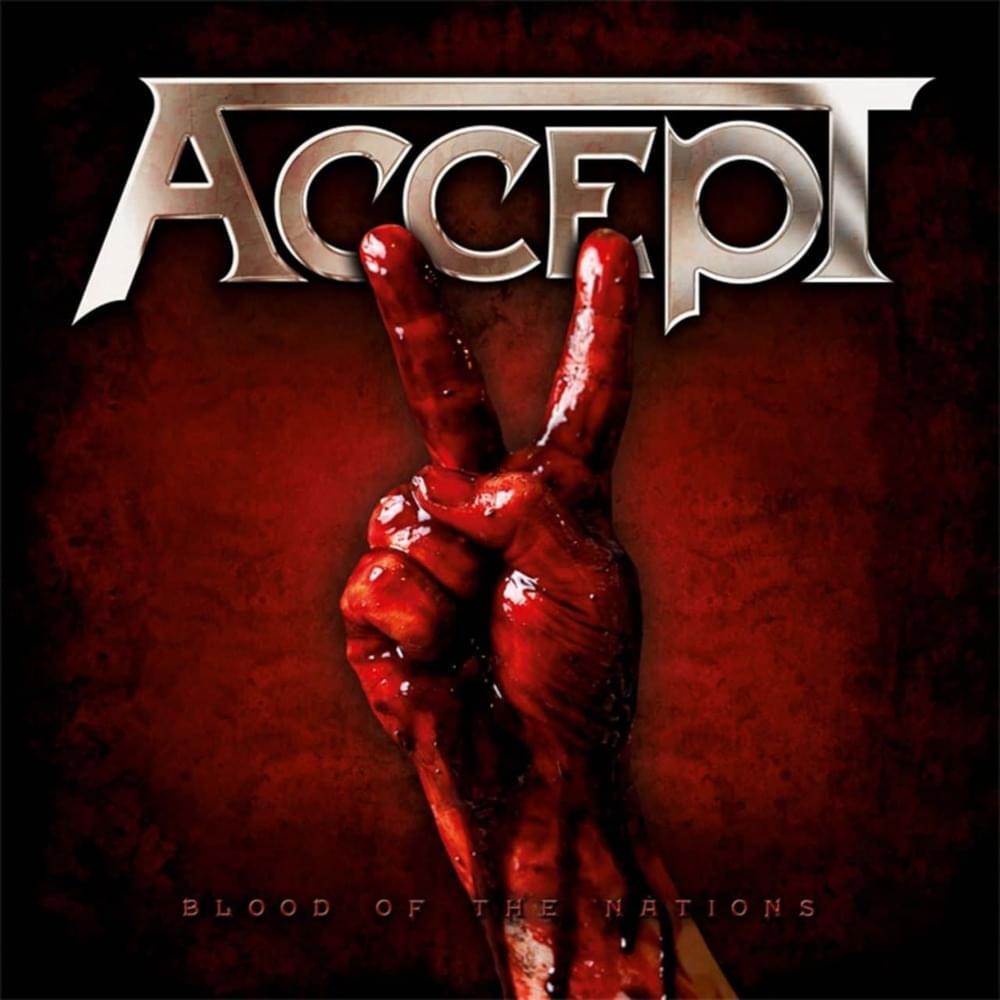
#GermanMetal

2026-02-18

Today I discovered the band Winselmutter from #Germany. Even though I've listened to #BlackMetal for many years my ears weren't ready for the pure raw onslaught they bring. I love it!

So for #MittwochMetalMix and, since the band is female fronted, #MusicWomenWednesday I bring you:

đŸ‘„ Winselmutter
💿 Ketzergeyst
:bandcamp: winselmutter.bandcamp.com/albu

* Raises invisible oranges to the sky.

#metal #RawBlackMetal #GermanMetal

2026-02-13
Teutonic Slaughter – Cheap Food Review By Andy-War-Hall

Becoming a fully-fledged metalhead is when you stop associating German metal with Rammstein and start with Teutonic thrash.1 There’s something about Germany that just makes thrash metal meaner, dirtier, and nastier than anywhere else, and without Teutonic thrash, extreme metal would likely look very different from where it is today. Knowing and loving this heritage, Germany’s own Teutonic Slaughter throws their feather-capped hat into the ring with their third album, Cheap Food, brandishing both a ridiculous album cover and a conviction to maintain the glory of old school Teutonic thrash metal. But it can be a challenge staying firmly rooted in the past while sounding vital in the present. Can Teutonic Slaughter make the cut with Cheap Food, or will this record go down hard like dry currywurst?

A lot of bands aren’t good judges of their own sound, but Teutonic Slaughter deliver what’s on the tin with Cheap Food: no-nonsense German thrash built to bash your bratwurst in forthwith. Teutonic Slaughter riffs without restraint or mercy, drawing from the melodic but near-death metal aggressiveness of Kreator (“Redistribution,” “Hostage”) as vocalist Phillip Krisch rasps and growls with the volatility of Sodom’s Angelripper and the band tears through tracks in reckless, Tankardesque good-times-lovin’ fashion (“Witches Rock ‘n’ Roll,” “Give em Hell”). Krisch and Jan Heinen’s guitars are hefty and lacerated on Cheap Food, bolstered by drummer Christian Vollmer’s thunderous kicks and an even heftier bass presence from Fabian Kellermann. The power chord rules on Cheap Food, but Teutonic Slaughter mix it up whenever necessary, like on the twisty leads of “Cheap Food,” the arpeggios kicking off “Redistribution” or the harmonics-laden chorus of “Witches Rock ‘n’ Roll.” Teutonic Slaughter promised nothing but good, archetypal German thrash and Cheap Food has that in spades.

But more impressively, Cheap Food also delivers in hashing out good thrash to the masses by means of lean songwriting, blistering energy and vicious vocals. Though songs frequent the thrash iffy-zone of five-plus-minutes, Teutonic Slaughter serve riffs and ideas economically, letting nothing wear out and keeping energy squarely at eleven. Besides the back end of “Eviscerating Surgery” and the dead minute-and-a-half of “Intro,”2 Cheap Food is spry at 36 minutes and flies by in a head-banging haze. Teutonic Slaughter sound one volt from exploding on Cheap Food, baring teeth on “Redistribution” and “Fight the Reaper” with crossover levels of hardcore intensity reminiscent of Municipal Waste.3 Personally, I think it’s Krisch’s animal-like mic job that gives Cheap Food its meanest bite, lathering songs with deathly howls (“Eviscerating Surgery”), blackened roars (“Witches Rock ‘n’ Roll”), hardcore gang shouts (“Hostage”), and just some of the gnarliest barks and shouts this side of Sodom. Gnarly vocals on top of fatless, relentlessly aggressive songs is foam crowning Cheap Food’s beer stein, and brother, it’s flowing over.

Teutonic Slaughter made a simply fun album. You’re not getting any radical surprises out of Cheap Food, and that’s by design. Instead, Teutonic Slaughter delight through expert performances of well-trodden thrash staples. Heinen provides the dive-happy, shredful soloing you expect and demand from the genre, leaving everything he has on closer “Give ’em Hell” in a no-holds-bar display of guitar belligerence. Thematically, when not dealing in societal or political issues (“Cheap Food,” “Redistribution”), Teutonic Slaughter revel in the schlocky macabre (“Witches Rock ‘n’ Roll,” “Eviscerating Surgery”) and fist-pumping motivation (“Fight the Reaper,” “Give em Hell”). It’s not meant to be complicated. Teutonic Slaughter aimed to pound your brain to spĂ€tzle with Cheap Food, and if you give it a spin, they’ll have succeeded handily.

Worthy of their countrymates’ thrash legacies, Teutonic Slaughter produced an incredibly enjoyable album in Cheap Food. Riffing heavy, fast, and without stop, it’s a record that’s here for good times and for making good times. Perhaps it gets a bit played out by the end, repeating a short list of moves for half-an-hour, but Cheap Food proved to be a surprisingly compelling listen that only further endeared itself to me with every listen. Obviously, if you like thrash, I’m going to recommend you give Cheap Food a spin. If not, don’t let the door hit your lederhosen on the way out. Mahlzeit!

ï»ż

Rating: Very Good
DR: 6 | Format Reviewed: 320 kbps MP3
Label: Iron Shield Records
Websites: facebook.com/teutonicslaughter | teutonicslaughter.bigcartel.com
Available Worldwide: January 30th, 2026

#2026 #35 #BlindGuardian #CheapFood #GermanMetal #Helloween #IronShield #Jan26 #Kreator #MunicipalWaste #RammingSpeed #Rammstein #Review #Reviews #Sodom #Tankard #TeutonicSlaughter #ThrashMetal
2026-02-13
Slaughterday – Dread Emperor Review By Tyme

Longtime readers of AMG may remember the last time German OSDM stalwarts Slaughterday graced these digital pages. It was long enough ago that EPs were still getting the full-on review treatment, which enabled Slaughterday’s second release, Ravenous, to land a respectable 3.0/5.0 rating. What I was surprised to discover was the lack of any additional coverage, despite Slaughterday dropping three subsequent long players since then—Laws of the Occult (2016), Ancient Death Triumph (2020), and Tyrants of Doom (2022). Whether this fact boils down to a lack of promo or a lack of interest is irrelevant, considering I was able to wrestle Slaughterday’s newest offering of odorous offal, Dread Emperor, from the murkiest depths of the sump. For a band that’s been cranking out consistently quality death metal since forming in 2010, it’s strange to me that this power duo doesn’t get more attention. Let’s find out whether Slaughterday is truly worthy to ascend the death metal throne, or if this Dread Emperor stands before us in the buff.

Monikered after a track from Mental Funeral, it’s unsurprising that Slaughterday establishes its soundation on the works of Autopsy. Avoiding mere clone status, though, founders Jens Finger (guitars, bass) and Bernd Reiners (drums, vocals) also line their sonic quiver with arrows laced with toxic amounts of Massacre, early Death, and Grave. After a doomy, engaging intro, Dread Emperor gets down to thrashy business as “Obliteration Crusade” comes galloping through the gates at full velocity. Showcasing the gamut of talents that Slaughterday wields, the track weaves bouts of blistering speed, salaciously solid solo work, and passages of drunken, doomy Autopsy worship into a skin-sewn tapestry of death, replete with creepy melodicism and a subtle, yet ear-wormy chorus. Finger’s bass lines pop like blood bubbles as Reiners’ brutish bashings bolster the rhythm section, aptly accompanying the man’s beastly roars, a discernibly deathly emulsion of Peter TĂ€gtgren and Kam Lee. This opening salvo encapsulates the Dread Emperor experience, which is one of gut-wrenching goodness, proving that Slaughterday has as many musical tricks up its sleeve as Art the Clown has weapons in his kill sack.

ï»żDread Emperor by Slaughterday

At the heart of Dread Emperor’s success lies Slaughterday’s ability to craft truly great death metal songs. And with this talent, Finger and Reiners pay apt tribute to their deathly influences without slipping into derivative mimicry. Every time the groove settled into a swarming swing full of Autopsy swagger (“Subconscious Pandemonium,” “The Forsaken Ones”), my head was powerless to stop bobbing. While the majestic, Egyptian-tinged melodic leads and girthy, doom-laden death riffs of the title track “Dread Emperor” solidified themselves as the album highlight for yours truly. Dread Emperor also doubles down on a facet of Slaughterday’s previous efforts that, at times, was found lacking: the guitar solo. Fingers leaves no fret untouched, packing tons of excellent, melodic soloing (“Astral Carnage,” “Necrocide”) and loads of haunting lead work (“Rapture of Rot”) into Dread Emperor’s every nook and cranny. This here, boys and girls, is death metal created especially for death metallers, so if it isn’t bringing your raised fist and stank face to the yard, relinquish your fan card to AMG Headquarters.


From its near forty-minute runtime to PĂ€r Olofsson’s ominously perfect cover art, I found little at fault with Dread Emperor. I suppose, if I had to pick at something, I’d say that many of the faster tremoloed sections tended to blend, sharing a marrow of similitude amidst Dread Emperor’s greater skeletal structure, but even that is a minor quibble. All due primarily to Slaughterday’s ability to construct compositions in such a way as to render the many inter-song shifts in style and tempo an organic strength as opposed to a stuttery distraction. Even Slaughterday’s version of Protector’s “Golem” sits comfortably at the end and fits the overall narrative of Dread Emperor well, escaping the fate of feeling tacked on, which is often the case with album-closing cover songs.

Does Slaughterday play meat-and-potatoes death metal? Sure, but this ain’t no watery soup from a can, this is stew like grandma used to make, filled with steamy hunks of fresh potato and chunks of beefy meat, swimming in an ichorous broth worth killing for. I didn’t anticipate how much fun I was going to have with Dread Emperor when I grabbed it, but it does exactly what it’s supposed to do: elicit a smile from my lips, a bang from my head, and Dio’s horns from my fist. Prime Tyme-certified death metal perfect for rotten valentines.

Rating: 3.5/5.0
DR: 6 | Format Reviewed: 320kb/s mp3
Label: Testimony Records
Websites: Bandcamp | Facebook
Releases Worldwide: February 13th, 2026

#2026 #35 #Autopsy #Death #DeathMetal #DoomMetal #DreadEmperor #Feb26 #GermanMetal #Grave #Massacre #Review #Slaughterday #TestimonyRecords
2026-01-26
Karloff – Revered by Death Review By Samguineous Maximus

As a musician, sometimes you just want to blow off some steam with a fun, low-stakes side project, free from the genre trappings or expectations of your main gig. Karloff is a band born of such an impulse, serving as the vehicle for Graveyard Ghoul’s Tom “Tyrantör” Horrified to deliver some vintage metal/punk. The band’s last full-length, 2021’s The Appearing, was an enjoyable but unimpressive throwback to the halcyon days of punky heavy metal with a blackened twist. Now Mr. Horrified and his team storm back from the grave with another fist-swinging slab of tight, nostalgia-soaked riffage, built to crack open some beers and rattle your damn crypt to rubble. Can Karloff rise above their debut, hit harder, and unleash a truly skull-splitting dose of heavy metal warcraft?

From the moment you press “play,” it’s clear that Revered by Death is bursting with punk energy and metal spirit. Opener “A Pessimistic Soaring” wastes no time before hitting you square in the face with a simple, but effective power chord riff panned to one channel before the full rhythm section bursts in. We get a tasty, phased-out guitar lead before landing on a fun, punky verse riff, complete with blackened rasps about “a world consumed by darkness.” This sets the stage nicely for what Karloff is all about: no-nonsense, kitschy retro metal/punk with plenty of energy. Their bread-and-butter is like if a less-gaudy Midnight crashed into the punked-out thrash of early Nasty Savage and sprinkled it in a blackened layer of late-era Darkthrone. When it all comes together, the result can be oodles of fun. Karloff isn’t reinventing the wheel, but they’re definitely spilling some beer on it and decorating it with fake cobwebs and candles.

Revered by Death by Karloff

A lot of Revered by Death’s charm comes from the no-nonsense attitude on display from Karloff’s members. At their best, the riffs have the sort of quality of alcohol-fueled basement jams, with Tom Horrified providing some flavorful leads to spice things up and laying down punky power chords that find a sweet spot between uncomplicated and straight-up ignorant (“Crown Cult Fate,” “Die Wiederkehr der Dunkeleit”). H.T Steinbrecher’s drum performance is effective and workmanlike, rarely veering into blastbeat territory and keeping things classy with variations on rock beats, aided by the occasional d-beat (“Prince of Parasites”). Karloff maintains their core metal/punk sound across much of the album, but a few effective variations help to keep things fresh. “When the Flames Devour You All” is a mid-tempo, blackened banger, with swirling black metal arpeggios meeting sludgy power chords, and “Elisabetha’s Revenge” continues this thread, amping up the cinematics and dynamics to make for a memorable closer. Throughout it all, there’s a distinct sense of personality that helps maintain a sonic cohesion.

My only real complaint with Revered by Death is that some tracks aren’t quite as tightly executed as others. Karloff largely hit the mark, and none of the songs are complete stinkers, but some of the B-sides fail to get the blood pumping as effectively. At 4-minutes, “Regicide” is a tad longer than average and lingers on its main riff for its entirety, lacking a lead or meaningful variation to keep things interesting. “On Weathered Altar” is a surprising turn towards instrumental horror ambience and lands smack in the middle as an interlude that runs for about twice as long as it should. These aren’t total deal breakers, but on a short album, they feel longer than they otherwise would and distract somewhat from an otherwise solid package.

With Revered by Death, Karloff has delivered a lively batch of blackened metal/punk rippers. Nothing here will boggle your mind, but the band’s distinctive attitude and kitschy execution are plenty entertaining. The next time I want to feel like I’m in a metal party scene from an 80s horror movie, I’ll crush a beer can on my forehead, pull out my ripped jeans, gel my mullet, and throw on some of the best tracks from this latest Karloff.

Rating: 3.0/5.0
DR: 8 | Format Reviewed: 320 kb/s mp3
Label: Dying Victims Productions
Website: facebook.com/karloffpunk
Releases Worldwide: January 23rd, 2026

#2026 #30 #BlackNRoll #Darkthrone #DyingVictimsProductions #GermanMetal #GraveyardGhoul #HeavyMetal #Jan26 #Karloff #Midnight #NastySavage #Punk #PunkMetal #ReveredByDeath #Review #Reviews
2026-02-11
Stuck in the Filter: November/December 2025’s Angry Misses By Kenstrosity

Brutal cold envelops the building as my minions scrape through ice and filthy slush to find even the smallest shard of metallic glimmer. With extensive budget cuts demanded by my exorbitant bonus schedule—as is my right as CEO of this filtration service—there was no room to purchase adequate gear and equipment for these harsher weathers. However, I did take up crocheting recently so each of my “employees” received a nice soft hat.

Hopefully, that will be enough to tide them over until the inclement weather passes and we return to normal temps. Until then, they have these rare finds to keep them warm, and so do you! REJOICE!

Kenstrosity’s Knightly Nightmare

AngelMaker // This Used to Be Heaven [November 20th, 2025 – Self Released]

I’ve been a fan of AngelMaker’s since their 2015 debut Dissentient. The grossly underrated and underappreciated Vancouver septet are a highly specialized deathcore infantry, with their lineup expanding steadily over their career in concert with their ever-increasing songwriting sophistication. Unlike the brutish and belligerent debut and follow-up AngelMaker, 2022’s Sanctum and new outing This Used to Be Heaven indulge in rich layering, near-neoclassical melodies, and dramatic atmosphere to complement AngelMaker’s trademark sense of swaggering groove. With early entries “Rich in Anguish” and “Haunter” establishing the strength of both sides of their sound, it always surprises me how AngelMaker successfully twist and gnarl their sound into shapes—whether it be hardcore, blackened, or melodic—I wasn’t anticipating (“Silken Hands,” “Relinquished,” “Nothing Left”). A rock-solid back half launched by the epic “The Omen” two-part suite brings these deviations from the expected into unity with the deathcore foundation I know AngelMaker so well for (“Malevolence Reigns,” “Altare Mortis”), and in doing so secure their status as one of the most reliably creative deathcore acts in the scene. Nothing here is going to change the minds of the fiercer deathcore detractors, but if your heart is open even just a crack, there’s a good chance This Used to Be Heaven will force themselves into it, if not entirely rip the whole thing asunder. My advice is simply to let it.

ï»żThis Used To Be Heaven by AngelMaker

ClarkKent’s Sonic Symphonics

Brainblast // Colossus Suprema [November 11th, 2025 – Vmbrella]

A debut album five years in the making from a band formed in 2015, Colossus Suprema is the brainchild of BogotĂĄ, Colombia’s Edd JimĂ©nez. JimĂ©nez turned his passion for and training in classical composition towards his symphonic progressive act, Brainblast. With Bach as an inspiration, Brainblast’s brand of technical death metal has the grandeur of Fleshgod Apocalypse, the speed of Archspire, and the virtuosity of concert musicians. JimĂ©nez’s classical training shows — the compositions have an orchestral feel, only played at insane energy levels. The speed, the depth, and the breadth of the instrumentation are sure to leave you breathless. Nicholas Le Fou Wells (First Fragment) lays down relentless kitwork with jaw-dropping velocity, while Eetu Hernesmaa provides technical fretwork that’ll similarly leave you awestruck. He delivers sublime riffs on “Relentless Rise” and a surprising melodic lead that steals the show on “Unchain Your Soul.” Perhaps most prominent is the virtuoso play of the bass from Rich Gray (Annihilator) and Dominic Forest Lapointe (First Fragment) that is omnipresent and funky on each and every song. To top it all off is the piano (perhaps from JimĂ©nez), giving the music some gravitas with the technical, concert-style playing. This record is just plain bonkers and tons of fun. Given this is the debut from a young musician, the idea that Brainblast has room to grow is plenty exciting.

COLOSSUS SUPREMA by BRAINBLAST

Gods of Gaia // Escape the Wonderland [November 28th, 2025 – Self Released]

If you’ve been eagerly awaiting the next SepticFlesh release, Germany’s Gods of Gaia have got you covered. Founded in 2023 by Kevin Sierra Eifert, Gods of Gaia is made up of an anonymous collective from around the world, contributing to a dark, heavy, and aggressive form of symphonic metal. Their sophomore album, Escape the Wonderland, features a collection of death metal songs with plenty of orchestral arrangements that add a dramatic flair. Along with crushing riffs and thunderous blast beats, you’ll hear choral chants (“Escape the Wonderland,” “Burn for Me”), bits of piano (“What It Takes”), and plenty of cinematic symphonics. SepticFlesh is the obvious influence, but the grandiosity of Fleshgod Apocalypse flares up on cuts like the dramatic “Rise Up.” The front half is largely aggressive, with “What It Takes” taking the energy to thrash levels. The back half dials down the energy, even creeping to near doom on “Krieg in Mir,” but never pulls back on the heaviness. Cool as the symphonic elements are, the riffs, blast beats, and brutal vocal delivery are just as impressive. Make no mistake, this is melodic death metal above all else, with symphonic seasonings that elevate it a notch. Just the opposite of what the record title suggests, this is one wonderland you won’t want to escape.

Escape the Wonderland by Gods of Gaia

Grin Reaper’s Frozen Feast

Hounds of Bayanay // КЭМ [November 15, 2025 – Self Released]

Two-and-a-half years after dropping debut Legends of the North, Hounds of Bayanay returns with КЭМ to sate your eternal lust for folk metal.1 Blending heavy metal with folk instrumentation, specifically kyrympa2 and khomus,3 as well as throat singing, Hounds of Bayanay might sound like a Tengger Cavalry or The Hu knockoff, but you’ll do yourself a disservice by writing them off. Boldly enunciated, clarion cleans belt out in confident proclamations while grittier refrains and overtones resonate beneath, proffering assorted and engaging vocal stylings. Rather than dwelling overlong in strings and tribal chanting, the deft fusion of folk instruments with traditional metal defines Hounds’ sound and feels cohesively integrated on КЭМ, providing an intimate yet heavy backdrop to a hook-laden and alluringly replayable thirty-nine minutes. In addition to the eclectic folk influence, there’s a satisfying variety of songwriting from track to track, with “Ardaq,” “CÉŻsqa:n,” and “Dɔʃɔrum” exemplifying the enticing synthesis of styles. More than anything else, Hounds of Bayanay embodies heart and fun, warming my chilly days with a well-executed platter of Eastern-influenced folk metal. Don’t skip this one, or the decision could hound you.

KEM by Hounds Of Bayanay

Blood Red Throne // Siltskin [December 05, 2025 – Soulseller Records]

I’m shoving up against the deadline to wedge this one in, but Blood Red Throne’s latest deserves a mention, and bulldozing is just the sort of thing you should do while listening to BRT’s brand of bludgeoning, pit-stomping romp. Back in December, the venerable Norwegian death metal act dropped twelfth album Siltskin, maintaining their prolific and consistent release schedule. In addition to their dependable output, BRT stays the course with pummeling, brutish pomp. In his coverage of Nonagon and Imperial Congregation, Doc Grier drums up comparisons to Old Man’s Child, Panzerchrist, and Hypocrisy, and while I’m not inclined to disagree on those points, I’ll add that Siltskin also harkens to Kill-era Cannibal Corpse in its slick coalition of mid-paced slammers, warp-speed blitzes, and fat ‘n’ frolicking bass. Add to that the sly, sticky melody from the likes of Sentenced’s North from Here (“Vestigial Remnants”), and you’ve got a recipe for a righteous forty-five-minute smash-a-thon. Blood Red Throne’s last few records have been among their best, which is an incredible feat for a band this far into their career. While Siltskin doesn’t surpass BRT’s high-water mark, it keeps up, and if you’re hungry for an aural beatdown, then Blood Red Throne would like to throw their crown into the ring for consideration.

Siltskin by Blood Red Throne

Gotsu-Totsu-Kotsu // Immortality [December 17, 2025 – Bang the Head Records]

I am woefully late to the charms of Gotsu-Totsu-Kotsu, a Japanese death metal outfit prominently featuring slap ‘n’ pop bass. Had it not been for our trusty Flippered Friend, I might have continued this grievous injustice of ignorance, but thankfully, this is not the timeline to which I’m doomed. Immortality is Gotsu-Totsu-Kotsu’s seventh album, and those who enjoy the band’s previous work should remain satisfied. For new acolytes, Gotsu-Totsu-Kotsu grasps the rabid intensity of Vader and Krisiun and imbues it with a funky edge. Meaty bass rumbles and sprightly slapped accents, provided by bassist/vocalist Haruhisa Takahata, merge with Kouki Akita’s kit obliteration to establish a thunderous, unrelenting rhythm section. Atop the lower end’s heft, Keiichi Enjouji shreds and squeals with thrashy vigor and a keen understanding of melody. First proper track “Anima Immortalis” even includes gang intonations that work so well, I wish they were more prevalent across the album. The sum total of Gotsu-Totsu-Kotsu’s atmosphere is one of plucky exuberance that strikes with the force of a roundhouse kick to the dome. Had I discovered it sooner, Immortality would have qualified for a 2025 year-end honorable mention, as I haven’t been able to stop spinning it or the band’s prior releases.4 Though I’m still in the honeymoon phase, I expect this platter to live on in my listening, and recommend you not miss this GTK killer like I almost did.

Thus Spoke’s Random Revelations

The Algorithm // Recursive Infinity [November 21st, 2025 – Self Released]

I’ve been a fan of The Algorithm since the early days, back when their electronica-djent was almost twee in its experimental joy, spliced with light-hearted samples. Over the years, RĂ©mi Gallego has tuned his flair for mesmeric, playful compositions to develop a richer, more streamlined sound. Recursive Infinity continues the recent upward trend Data Renaissance began. With riffs and rhythms the slickest since Brute Force, and melodies the brightest and most colourful since equally-prettily adorned Polymorphic Code, it’s a cyberpunk tour-de-force. The wildness is trained, chunky heaviness grounding magnetic melodies (“Race Condition,” “Mutex,” “By Design”), dense chugging transitioning seamlessly into techno (“Advanced Iteration Technique,” “Hollowing,” “Graceful Degradation), and adding bite to bubbly, candy-coloured soundscapes (“Rainbow Table,”). The skittering of breakbeats tempers synthwave (“Endless Iteration), and bright pulses wrap cascading electro-core (“Race Condition,” “Mutex”) and orchestral melodrama (“Recursive Infinity”). It’s often strongly reminiscent of some point in The Algorithm’s history, but everything is upgraded from charming to entrancing. This provides a new way to interpret Recursive Infinity: not just a reference to an endless loop in general, but to Boucle Infinie (Infinite Loop)—Remi’s other musical project—and by extension, The Algorithm themselves. Yet he is still experimenting, including vocoder vocals (“Endless Iteration,” “By Design”) for a surprisingly successful dark-Daft Punk vibe in slower, moodier moments. With nostalgic throwbacks transformed so beautifully, and the continued evolution, there’s simply no way I can ignore The Algorithm now. And neither should you.

Recursive Infinity by The Algorithm

Owlswald’s Holiday Scraps

Sun of the Suns // Entanglement [December 12th, 2025 – Scarlet Records]

Bands and labels take heed—We reserve December for two things: Listurnalia and celebrating another trip around the sun. It is not for releasing new music. Yet this blunder persists, ensuring we inevitably miss gems like Sun of the Suns’ sophomore effort, Entanglement.5 The record dropped just as the world was tuning out for the year, and it deserves much better. Building on the foundation of their 2021 debut, TIIT, the Italian trio has significantly beefed up their progressive death formula. Mixing tech-death articulation with deathcore brutality, Entanglement ensures fans of Fallujah will feel right at home with its effervescent clean melodies and crystalline textures. Francesca Paoli (Fleshgod Apocalypse) returns to provide another masterclass behind the kit with rapid-fire double-bass, blasts, and tom fills, while guitarists Marco Righetti and Ludovico Cioffi deliver cosmic shredding and radiant solos that are both technical and deliberate. While the early tracks lean into Fallujahian songcraft and Tesseract-style arpeggios, the album shines brightest late when the group largely sheds its stylistic orbit. “Please, Blackout My Eyes” pivots toward a majestic Aeternam vibe with ethereal tech-death incisiveness, while “One With the Sun” and “The Void Where Sound Ends Its Path” hit like a sledgehammer with Xenobiotic’s deathcore grooves. Though Luca Dave Scarlatti’s vocals lack differentiation, the sheer quality of the compositions carries the weight, proving Sun of the Suns are much more than mere clones.

Entanglement by Sun Of The Suns

#2025 #Aeternam #AngelMaker #Annihilator #Archspire #Bach #BangTheHeadRecords #BloodRedThrone #Brainblast #CannibalCorpse #ColombianMetal #ColossusSuprema #DaftPunk #DeathMetal #Deathcore #Dec25 #Djent #Entanglement #EscapeTheWonderland #ExperimentalMetal #Fallujah #FirstFragment #FleshgodApocalypse #FolkMetal #GermanMetal #GodsOfGaia #GotsuTotsuKotsu #HeavyMetal #HoundsOfBayanay #Hypocrisy #Immortality #ItalianMetal #JapaneseMetal #Krisiun #MelodicDeathMetal #NorwegianMetal #Nov25 #OldManSChild #Panzerchrist #ProgressiveDeathMetal #ProgressiveMetal #RecursiveInfinity #Review #Reviews #ScarletRecords #SelfRelease #SelfReleased #Sentenced #SepticFlesh #Siltskin #SoulsellerRecords #StuckInTheFilter #StuckInTheFilter2025 #SunOfTheSuns #SymphonicDeathMetal #SymphonicMetal #Synthwave #TechnicalDeathMetal #TenggerCavalry #TesseracT #TheAlgorithm #TheHu #ThisUsedToBeHeaven #Vader #Vmbrella #Xenobiotic #КЭМ
2026-02-10
Bloodred – Colours of Pain Review By Mark Z.

Seeing an album described as “blackened death metal” almost always gets my juices flowing. The problem with that tag, however, is that it can mean anything from weird avant-garde blackened dissodeath (yuck) to Christcrushing necronuclear Blasphemy-worshipping goat metal (fukk yeah!!). But Bloodred are neither of those things. This German band is technically a duo but is really more like the solo project of vocalist, guitarist, and bassist Ron Merz, who’s been enlisting the talents of drummer Joris Nijenhuis (ex-Atrocity, ex-Leaves’ Eyes) since the band’s first releases back in the mid-2010s. I admittedly hadn’t heard of these guys when I saw their name crop up in our promo bin, but I decided to give their back catalog a whirl when I saw Amon Amarth was tagged as a similar artist on Encyclopedia Metallum. It turns out that comparison isn’t entirely off the mark, as the group’s three prior albums generally do sound like a band capitalizing on Amon Amarth’s more epic moments while increasing the black metal influence and stripping away a lot of the melody.

With fourth album Colours of Pain, Ron has again kept himself within the blackened death sphere, this time by producing what’s essentially a modern black metal album that still contains enough variety and heavier flourishes to keep it from being trapped solely within that genre’s confines. Roughly half the songs here are similar to the opener, “Ashes,” which faintly recalls Satyricon in how it bobs forward on rocking rhythms that support Ron’s wretched, raspy growls and headnod-worthy riffs. The song is a decent tune with guitar-work that’s clear and assertive, if somewhat unremarkable. Of the other songs in this style, “Mindvirus” and the closer, “Resist,” are the best of the bunch, with snappy mid-tempo drumming and catchy, “riding to war” riffs that are sure to earn them a spot on my future jogging playlists. In much of the record’s second half, things drift more into post-black metal territory, with tracks like “Death Machine” using slightly slower passages, flashes of melody, and high-register guitars to conjure the melodrama of stuff like Woods of Desolation.

On paper, Colours of Pain seems to be a pretty diverse set of songs. Yet, somehow, it still comes across as oddly homogenous. In part, this issue may be caused by Joris’s drumming: While I enjoy the man’s beats, I wouldn’t call his performance particularly dynamic, with much of the album cruising pleasantly along at a similar tempo. As a result, many of the songs end up having a similar overall feel, even when the underlying riffing is quite different. The blame is not solely his, however. While Ron employs some decent riffs here, he never delivers anything that truly grabs you by the balls, resulting in an album that requires a decent amount of undivided attention to reveal its charms. The production has a clear and balanced sound that reminds me of Art of Propaganda signees like Harakiri for the Sky, which works for Bloodred’s style but exacerbates the album’s homogeneity a bit by coming across just a touch too loud and clean for me.

Despite these shortcomings, Colours of Pain remains an enjoyable release overall, and its highlights become increasingly apparent with repeated listens. The title track, for instance, shifts between a nice shuffling, mid-tempo riff and more traditional black metal hammering, resulting in a cool song that sounds something like a socially-conscious version of Belphegor. “Heretics” is another good cut, featuring an odd sidewinding riff and a particularly combative tremolo line. The backing operatic vocals in “Winds of Oblivion” and the climax of “Ashes” are also a nice touch, with the former track also serving as one of the album’s only true “slow” songs (making it a perfect lead-up to the boisterous closer, “Resist”).

Colours of Pain is the type of album that you can put on for any extreme metal fan, and while they may not love it, they almost certainly won’t hate it. Although initial impressions suggest an album that’s too inoffensive for its own good, repeat listens reveal a record with enough quality ideas and variety to keep it from being just extreme metal elevator music. What’s more, a perusal of Bloodred’s website shows that Ron seems quite passionate about the music he makes and the politically tinged lyrics that color these songs. In all, if you’re looking for a modern extreme metal album that goes down easy, you could do far worse.

ï»ż

Rating: 3.0/5.0
DR: 6 | Format Reviewed: 320 kbps mp3
Label: Massacre Records
Websites: bloodred.bandcamp.com | bloodredband.com | facebook.com/bloodredofficial
Releases Worldwide: February 13th, 2026

#2026 #30 #AmonAmarth #Belphegor #BlackMetal #BlackenedDeathMetal #Blasphemy #Bloodred #ColoursOfPain #DeathMetal #Feb26 #GermanMetal #HarakiriForTheSky #MassacreRecords #Review #Reviews #Satyricon #WoodsOfDesolation
2026-02-09
The Hirsch Effekt – Der Brauch Review By Twelve

Motivation can be a tricky thing. Take me, for instance—it’s my first review of 2026, and I’m already starting it later in the month than I meant to. For me, motivation has been a bit lacking. Now look at the subject of my first review, Der Brauch (“The Need”) from German progressive metal act The Hirsch Effekt. This is their seventh full-length release in sixteen years of existence, a commendable testament to motivation, at the very least. And while putting pen to paper (figuratively) can be a hard thing to do, I love writing about a motivated group. Though I hadn’t heard of The Hirsch Effekt before this year, I was eager to explore their unique take on progressive metal.

And progressive it is! Though perhaps the band would disagree with me—they describe their sound as being “rooted in Postpunk, Postrock, Artcore, Progressive Metal, Pop and classical music.” It’s an interesting blend with a couple of notable outliers, but frankly, that’s how I like my music. Lead vocalist and guitarist Nils Wittrock’s style could fit fairly well in most of those styles, a clean, somber croon with a hardcore edge—or vice versa, depending on the song. Bassist Ilja John Lappin lends his cello to proceedings, giving Der Brauch a symphonic, classical side that softens its otherwise loud approach. This, in turn, forces drummer Moritz Schmidt to be something of a chameleon, adapting to each of the aforementioned styles as songs demand. The result is a loud, hardcore-ish sound rooted in progressive metal that is nevertheless “nice” to listen to.

Der Brauch by The Hirsch Effekt


or so it may appear at first glance. Truer is that Der Brauch is very much a multifaceted album and The Hirsch Effekt have a lot of tricks up their sleeves. Songs like “Das Seil” lean into their art/classical stylings, with lengthy, complex guitar noodling and cello support. It builds to a dramatic metal flourish and demonstrates much skill from each musician. Elsewhere, “Der DoppelgĂ€gner” features notably more intense guitar work, leaning towards the more extreme side of progressive metal. “Die BrĂŒcke,” on the other hand, is slow and dream-like, reminding me of Dawnwalker in the way it covers a lot of ground, seemingly in no rush to do so. Lastly, “Das Nachsehen” treads symphonic metal territory, using the cello as a lead instrument and building a genuinely dramatic sound. Throughout, the three bandmates, all of them vocalists, sing, growl, and scream their way through each style as needed.

So there’s a lot happening here; The Hirsch Effekt is a dodecahedron of ideas on Der Brauch, something you may see as a strength or weakness depending on your preferences. I could argue, for example, that Der Brauch doesn’t have very strong flow as a complete album because the sound is constantly changing. You might return that the sound they cultivate is unmistakably theirs, and so it really isn’t that big a deal. For my part, I like their melodic leanings the best—the dramatic “Das Nachsehen” and surprisingly catchy “Der Brauch” in particular, with their huge choruses and passionate performances. By contrast, the longer, more wandering pieces like “Die LĂŒge” don’t land so well, and as a resul,t I find Der Brauch lags a little in the middle. I wouldn’t have minded if it were a bit less than its 49-minute runtime, despite the impressive array of ideas contained therein.

But all that is me. Really, The Hirsch Effekt has enough ideas and styles that it’s a hard album to put a number or description on. I’ve certainly enjoyed it, and will likely return to it after this review is published. But I think a lot of people will have varied experiences with Der Brauch (more so than the average album, I mean). It’s a fascinating listen, one that reveals more and more with every spin; strong, explorative, and motivated for sure.

Rating: 3.0/5.0
DR: 6 | Format Reviewed: 320 kb/s mp3
Label: Long Branch Records
Websites: thehirscheffekt.bandcamp.com | thehirscheffekt.de | facebook.com/thehirscheffekt
Releases Worldwide: January 30th, 2026

#2026 #30 #Dawnwalker #DerBrauch #GermanMetal #Jan26 #LongBranchRecords #ProgressiveMetal #Review #Reviews #TheHirschEffekt
2026-02-08
Lone Wanderer – Exequiae Review By ClarkKent

It’s no secret that funeral doom is all about death, but in case you weren’t aware, Lone Wanderer hits you over the head with the fact (don’t worry, it’s not a fatal whack). The title of their latest record, Exequaie, is Latin for “funeral rites.” The album cover, from Ernst Ferdinand Oehme’s 1828 painting Procession in the Fog, depicts a ghostly funeral procession, and most song titles use death as a theme in some shape or form. Lone Wanderer have been at this for over ten years, but they’ve been independent until now, signing with High Roller Records for the release of Exequaie. According to the band’s promo sheet, this will be album number three, but perhaps it’s telling how funeral doom warps one’s sense of time when they claim that their 43-minute debut is an EP. Their follow-up, The Majesty of Loss, is only three minutes longer, so it’s anyone’s guess where they draw the line between LP and EP. Their albums have only gotten longer since, with The Faustian Winter hitting the hour mark and now Exequaie reaching a lofty 72 minutes. Honestly, if you’re looking for a soundtrack to your funeral, this isn’t a bad option.

On the funeral doom scale, Lone Wanderer fits the Oromet scale more closely than My Dying Bride or Godthrymm. Exequaie mixes the gentle with the crushingly heavy, and the heavier riffs carry more reverb than muscle, lending a more tranquil feel than raw power. Over the course of 24 minutes, the beastly opener “To Rest Eternally” demonstrates Lone Wanderer’s slow burn approach, with impenetrably deep vocals, glacial drum beats, and a slowly developed melody. The gentler portions put away the booming drums and instead twinkle with arpeggiated rhythm while the bass plays out a complementary melody. We hear this tug and pull throughout Exequiaie, from the melancholic and heavy to something more peaceful, still tinged with sorrow but carrying a little hope. Ironically, “Anhedonia”1 showcases the album’s most pleasurable and memorable riffs during its opening few minutes. The remainder is also exquisite, delving into immense sorrow before closing out in tranquility. The song guides you into gentle acceptance of the fate that awaits us all at the end.

ï»żExequiae by Lone Wanderer

Going in line with the “funeral rites” theme, plenty of elements in Exequaie appear to represent religious symbols or godly figures. The opening minutes of “To Rest Eternally” provide a distant reminder of a church setting with the tolling of bells. This holy setting returns in the finale, “Epistemology of the Passed,” where organs play a mournful dirge alongside wistful arpeggios. The vocals from Bruno Schotten serve as an omnipresent character, his low rumbles coming off like thunder rolling through the sky. Scattered throughout the album, Lone Wanderer perform spoken word portions that serve to enhance this godly persona. While such song segments are generally a nuisance, here they fit seamlessly, taking on the presence of an Oz-like character, commanding yet distant. The purpose of these elements may be inscrutable, but they do provide a sense of formality and authority accompanying death.

As great as the individual tracks are, Exequiae’s biggest obstacle is its own length. With any funeral doom record, holding the listener’s attention can be a challenge, and a 72-minute runtime across 5 songs feels more like work than pleasure. Yet there is plenty to enjoy on this epic record, and Lone Wanderer does implement some variety to mix things up a bit. “Existence Nullified” has a moment of chugging death-doom riffs that take me back to early Swallow the Sun. “Epistemology of the Passed” has a similar increase in tempo thanks to energetic tremolos and brisk drum beats. These moments are brief and few, but all the more notable because of their rarity. In the end, Exequaie’s length isn’t a deal breaker because it has such exquisite compositions. There’s just so much beauty in the music it could go on for twice as long and it’d still be heavenly.

Lone Wanderer is kicking funeral doom off to a great start for 2026. There’s something about the band’s often gentle sound that creates calm, as opposed to bands that lay the despair and melancholy thick with more powerful, overbearing guitar tones. Don’t let the 72 minutes intimidate you. Set aside some time and let Exequiae’s mix of melancholic, peaceful, and even hopeful tones wash over you and transport you, for a time, to a place where you no longer need to worry.

Rating: 4.0/5.0
DR: 8 | Format Reviewed: 320 kbps mp3
Label: High Roller Records
Website: Bandcamp | Facebook
Releases Worldwide: January 30th, 2026

#2026 #40 #Exequaie #FuneralDoom #GermanMetal #Godthrymm #HighRollerRecords #Jan26 #LoneWanderer #MyDyingBride #Oromet #Review #Reviews #SwallowTheSun
2026-02-06
Bitterness – Hallowed Be the Game Review By Tyme

Thrash metal trio Bitterness has been riffing around Germany’s underground metal scene since 2002. And despite a twenty-plus-year career spent in a state of sustained anonymity, these thrashers three are ready to throw down their eighth full-length odyssey, Hallowed Be the Game. Marching under the thrash banner in a country that birthed not only the Big Teutonic 4, (Kreator, Sodom, Destruction, and Tankard) but some very endearing second-tier bands (Exumer, Holy Moses, Paradox, and Living Death) takes guts and persistence. Luckily, Bitterness has a little bit of both. Between Megadeth hitting number 1 on the Billboard 200 for the first time with its eponymous swan song and Kreator releasing an album I CANNOT get out of my earholes, thrash shone brightly in January. Does Bitterness possess the skill and fortitude necessary to carry that light into the desolate, hopeless darkness of February?1

Bitterness plays mid-level neothrash that neither raises nor furrows brows, historically straddling the fence between At the Gates-style melodeath and 2000s-era Kreator-core. Yet, Bitterness has leaned further into its thrashy side since introducing a mascot—enter blindfolded Jesus—on the cover of 2015’s Ressurexodus, and who appears here looking strikingly like Snake Plissken. Frank Urschler’s riffs are plentiful, firing primarily at speeds either breakneck (“WWH8,” “Hallowed Be the Game”) or breakneck (“Hypochristianity”), and his vocals—a hybrid blend of Petrozza (Kreator), Souza (Exodus), and Ellsworth (Overkill)—fit what Bitterness is doing well. Andreas Kiechle blisters the skins effectively enough to keep things on track, while Marcel Konz’s prominently plucked bass lines round out the rhythm section. Thrash’s status quo and the AMG safety counter have nothing to fear from Bitterness. And yet Hallowed Be the Game isn’t completely devoid of enjoyable moments, despite being weighed down by bloat and victimized by its own overt juvenilia.

I respect that Bitterness seems content to exist on the fringe of its chosen scene, with the very front half heavy Hallowed Be the Game—as any eighth offering might—standing as proof they’ll not go gently into any good night. With the very Kreatoric one-two punch of the opening salvo (“WWH8,” “AMOK:KOMA”), Bitterness proves that well-executed riffage can still overcome a dearth of originality: this is also where I find Urschler vocalizing at his most Petrozza-like. And then, in an attempt to bring Teutonic legitimacy to these proceedings, I appreciated the vocal contributions of Tankard’s very own Andreas “Gerre” Geremia to “High Sobriety” about as much as “Hypochristianity” took me back to Pleasures of the Flesh-era Exodus. To be certain, Urschler and company execute their ABC’s and capably deliver on the fundamental tenets of thrash: crack beer, bang head. Despite this, a couple of things really held the album back for me.


Hallowed Be the Game loses most of its muscle mass from fatty back half disease and a we-tried-too-hard style of juvenile delinquency. With a runtime exceeding forty-three minutes, Bitterness could have easily cut the last 10 and left us with a more manageable slab of pseudo-enjoyable, albeit pedestrian, thrash metal. Instead, the nearly eight-minute instrumental “Magnum Innominandum,” its leaden pace and lack of dynamic variability rendering it perfunctory and the even more unnecessary cover of the Graves-era Misfits song “Scream!” remained almost as padding, bringing Hallowed Be the Game to a very underwhelming close. Combine those two, parting flop shots alongside the fact that nearly every song title is a somewhat childish play on words, and the whole Game just felt silly. And not in a good way, as I’d expect from more light-hearted bands like Tankard, Municipal Waste, and others of that ilk.

Neither particularly good nor bad, Hallowed Be the Game is one of those albums that just is, and assuredly isn’t the breakthrough Bitterness may have been hoping for. It’s like that girl you met at Niagara Falls one weekend in college, fun to hang with for a few days, but definitely nothing serious. Ultimately, Bitterness failed to pique my interest beyond writing this review. Die-hard thrashers may get a few miles out of Hallowed Be the Game, but as for me, I’m going to spin Kreator again.

ï»ż

Rating: 2.5/5.0
DR: 6 | Format Reviewed: 320 kbps mp3
Label: G.U.C.
Websites: Bandcamp | Facebook | Instagram
Releases Worldwide: February 6th, 2026

#25 #2026 #AtTheGates #Bitterness #Exodus #Feb26 #GUC #GermanMetal #HallowedBeTheGame #Kreator #Review #ThrashMetal
2026-02-05
Typical Rammstein! What at first glance often seems like provocative, blunt nonsense reveals itself on closer inspection as profound, bitter, and razor-sharp social criticism.

Only when you see the context and the depth do you realize what it’s really about. It’s not about breasts. It’s about the isolated, alienated modern world, about desperate longing, about the abysses of loneliness and the masculine crisis, wrapped in a bitterly sharp, self-consuming satire. Provocation is the door. Tragedy is the room behind it.

I tried to translate the deeper meaning of this song, the loneliness, the alienation of modern life, and the bitter, self-consuming satire, into a visual artwork using SDXL.

Original song: https://www.youtube.com/watch?v=thJgU9jkdU4

#SocialCommentary #ModernWorld #Isolation #Loneliness #Provocation #TragicArt #GermanMetal #RockArt #MusicArt #AIArt #SDXL #StableDiffusion #AIArtCommunity
2026-02-01
Coronatus – Dreadful Waters Review By Andy-War-Hall

Like a sailor’s call to the sea, I am routinely compelled to the sub-genre of symphonic metal in all of its be-corset-ed miscellany. Why? Maybe I need a break from dudes singing ugly for ladies singing pretty. Maybe falling for Seven Spires justified my continued curiosity in the style.1 Maybe I’ve never been as happy as I was discovering Imaginaerum in high school. Regardless, the call brought me now to the German symphonic group Coronatus and their new record, Dreadful Waters. Led by songwriter/drummer Mats Kurth, Coronatus features three singers in mezzo sopranos Leni Eitrich and Sabine Prechtel, and “rock vocals” by Nemesis, who also contributes to songwriting along with guitarist Harry Zeidler. Rounded out with bassist Simon Gutbrod and violinist Tine JĂŒlich, Coronatus wrote Dreadful Waters with a focus on “merging mysticism, danger and the elemental force of water.” All good words, but does Dreadful Waters bring the strings to live up to them and, more importantly, can Coronatus meet my fix for symphonic metal?

Whatever Coronatus is doing, Dreadful Waters sounds nice doing it. Oscillating between varying degrees of symphonic (“The Siren” and “Die Hexe und der Teufel”) and nautically inclined folk metals (“Southern Cross” and “A Seaman’s Yarn”), Dreadful Waters’ production and mix bring out the best in Coronatus’ instrumentation and give everything a rich openness. Guitars sound chunky and bold while taking on an auxiliary role to the violin and vocals, which are always warm and upfront. Coronatus’ mezzo sopranos bring your typical Tarja-era Nightwish operatics to “The Maelstrom” and “To the Reef!” while Nemesis’ “rock voice” means she brings a Jþrn-like grizzled theatricality to her performances on “Dark Ice” and “The Ship’s Cook.” But what really stands out to me is Kurth’s drumming, which is more nuanced than the average symphonic drumming performance. The kick patterns on “Through the Brightest Blue”‘s chorus sound more like a Lamb of God drum track than Nightwish, and “To the Reef!” boasts a palpable jauntiness thanks to the percussion groove. Dreadful Waters is composed of many different pieces, so it’s nice that Coronatus got them all to sound good together.

But symphonic metal lives and dies on its vocalists, and while Coronatus’ singers are skilled musicians, their performances can feel awkward. Each vocalist often brings an almost comical level of warble to their voices, swinging tracks like “Southern Cross” and “A Seaman’s Yarn” towards the ridiculous. Nemesis in particular can overdo it, as her heavy, gravelly vibrato can at times chew the scenery. The mezzo soprano and “rock voice” stylings also sometimes stand at odds with each other, as on songs like “The Siren” and “Dark Ice,” they blend poorly and give off the impression that they weren’t in the studio at the same time. When Coroantus coalesce, like on the album highlight “The Ship’s Cook,” the result is a riveting blend of sophistication and grit that I could listen to all day, but moments like this are unfortunately rare on Dreadful Waters.

The slight vocal issues I see on Dreadful Waters may be a symptom of a larger issue on the album: the lukewarm songcraft. Coronatus’ songs mostly stick to either a slowburn or mid-paced stomp, featuring pretty folk melodies and pleasant orchestrations but little in the way of gripping hooks or powerful performances. Further, vocal melodies are usually played overly straight, throwing few unexpected turns or interesting intervals in favor of a fairly standard symphonic metal play sheet. This makes the more metal-friendly tracks like “The Maelstrom” and “The Siren” come off a bit tepid and, at Dreadful Waters’ worst, its ballads in “Southern Cross” and “Die Hexe und der Teufel” real slogs to get through. Only “The Ship’s Cook” excited me, and that’s because its power metal-adjacent vocal heroics and bouncy chorus melody embody what is woefully missing on much of Dreadful Waters: character.

Dreadful Waters neither sinks nor swims. Far from awful, this record’s shortcomings stem from not doing enough to stand out from the symphonic crowd or playing exceptionally well into its tropes. Less fairweather fans of symphonic metal than I may get more out of Coronatus’ style, but detractors of the style won’t be swayed from their haterdom by it either. Coronatus snagged a real winner with “The Ship’s Cook,” though, so I don’t foresee terrible sailing for the band in their future. But for meeting the need for big strings over my metal, Dreadful Waters doesn’t do it for me.

ï»żï»ż

Rating: Disappointing
DR: 9 | Format Reviewed: 192 kbps MP3
Label: Massacre Records
Websites: facebook.com/coronatusofficial | coronatus.de
Releases Worldwide: January 23rd, 2026

#20 #2026 #Coronatus #DreadfulWaters #FolkMetal #GermanMetal #Jan26 #Jorn #LambOfGod #MassacreRecords #Nightwish #Review #Reviews #SevenSpires #SymphonicMetal
2026-01-22
Casket – In the Long Run We Are All Dead By Spicie Forrest

For over 30 years, Casket has been a reliable—if slow and not terribly well-known—source of classic death metal. Originally forming as a four-piece in Reutlingen, Germany in 1990, they released a slew of demos between 1992 and 1996 before releasing their debut, Under the Surface, in 1998. They’ve released something (demo, EP, or LP) every five years or so since then, and aside from paring down to a trio in 2007, not much has changed since the early days. Although they experimented with gothic/symphonic elements on 2017’s Unearthed, their fifth full-length sees Casket returning to form. In the Long Run We Are All Dead promises raw, basic death metal, diluted by neither time nor inferior metals. Is their barebones style still virile, or is it a relic best left in its bygone age?

Casket’s death metal may be barebones, but they’re damn good at it. With nary a note of warning, Casket hits the ground running on opener “The Will to Comply.” Vocalist/guitarist Schorsch launches beefy, retro riffs and vicious, descending tremolos while vomiting up chasm-deep vocals like slabs of cement grinding against each other. Casket’s skill and experience are painfully obvious as they rip through track after track of dumb, violent death metal. The low-end heft from Susi Z’s bass makes In the Long Run We Are All Dead feel more like blunt force trauma than a stabbing or a slashing, and drummer Marinko consistently provides just the right tools for his bandmates to inflict maximum damage. This is old school death metal played the way only the old guard knows how.

ï»żHammer, Knife, Spade by CASKET

When I first saw that In the Long Run We Are All Dead boasted a whopping 11 tracks, I was worried it would overstay its welcome. Luckily, that’s not the case. Casket constantly shifts between various iterations of the old school formula. Incantation is the biggest touchstone here, but not the only one. The specter of Bolt Thrower lends its inexorable, crushing riffcraft to “Highest Thrones” and “Fundamental Rot,” and there’s a dash of punk woven throughout, largely driven by Marinko’s drumming (“Highest Thrones,” “Seeds of Desolation”). While Cannibal Corpse’s freneticism shows in tracks like “Hammer, Knife, Spade” and “Mainstream Mutilation,” much of In the Long Run We Are All Dead stalks along at a middle pace, trading speed for power and complementing Schorsch’s demonically low roars. Even when my attention does start to wander by album enders “Strangulation Culture” and “Graveyard Stomper,” Schorsch’s guitar ventures for the first time into higher registers, adding a novel brightness in a final push to the dead wax.

There’s not much to complain about on Casket’s latest. Missteps on In the Long Run We Are All Dead are few and minor, while mid-to-highlights—like the strong conclusions of “Seeds of Desolation” and “Graveyard Stomper,” the instrumental pause in “Fundamental Rot” when Schorsch roars over the gap, or the punky shifts that peak in and out on “Highest Thrones”—are fairly common. I did find the occasional kinetic plucking noise on the bass a little distracting, and I wish the kick drum sounded a little less anemic next to an otherwise robust kit. The opening and recurring riff of “Skull Bunker” fails in repetition and would have served better as a hook. Two tracks are dubiously cut interludes (“Mirrors,” “Necrowaves”), and “Fundamental Rot” takes its time leaving the stage, but at a combined two and a half minutes, none of it is bothersome enough to hit skip, or even properly be called bloat.

In an era of always searching for the next big thing, Casket brutally reminds me of a core life lesson: if it ain’t broke, don’t fix it. Casket has been around since the beginning, and they know the basics never go out of style. Sure, there’s a weird riff here, a bad bridge there, but even 36 years in, In the Long Run We Are All Dead is no exception to Casket’s consistent quality and timeless, nuts-and-bolts style. Casket doesn’t do hype or trends; they don’t care about exploring boundaries or subverting expectations. They’re just here to break your skull open with a hammer. Or a knife. Or a spade.

Rating: 3.0/5.0
DR: 7 | Format Reviewed: 320 kbps mp3
Label: Neckbreaker Records
Websites: Official | Bandcamp | Facebook | Instagram
Releases Worldwide: January 23rd, 2026

#2026 #30 #BoltThrower #CannibalCorpse #Casket #DeathMetal #GermanMetal #InTheLongRunWeAreAllDead #Incantation #Jan26 #NeckbreakerRecords #Review #Reviews
2026-01-21
Beyond the Black – Break the Silence Review By ClarkKent

Beyond the Black play the sort of female-led symphonic metal that seems to get a bit of traction in Europe. Since Jennifer Haben formed the band in 2014, they have recorded five LPs that climbed the charts in her home country of Germany as well as those of neighboring countries. They’ve also gone on European tours in support of popular acts like Aerosmith, Scorpions, Korn, Saxon, and Within Temptation. Break the Silence, their sixth record, finds them at their peak. It’s a concept album revolving around themes of communication and connection. This concept materializes in the form of international guest collaborators— from Germany, Bulgaria, and Japan—and diverse languages—English, French, and German. Considering the poor reception symphonic bands like this have received on the blog (see Within Temptation), I can sense your skepticism. What Beyond the Black needs to break in order to win over this readership isn’t the silence but the mold.

Similar to Elettra Storm and Darkyra, Beyond the Black plays a form of symphonic metal that falls somewhere between hard rock and power metal, leaning a little more into the heavier stuff. Tracks follow a pretty standard formula with catchy choruses, above-average riffs, and plenty of solos. The symphonic portion is surprisingly muted, but it does add some emotional depth to songs like “The Art of Being Alone” or even distinctive hooks (“Let There Be Rain”). At the heart of the music is Haben’s vocal performance. Her voice has a poppy, clean character, and Beyond the Black forgo the beastly growls that typically balance out the beauty. This type of performance could easily become sterile, but she shows some range on tracks like “Ravens,” where her voice switches from somber to a soaring chorus that could find a home on the KPop Demon Hunters soundtrack. Her strength is most apparent on the finale, “Weltschmerz,” a gentler, symphonic-led tune that allows Haben to take charge with a moving performance.

Despite the mostly close adherence to the same formula from song to song, Beyond the Black add enough variety to keep things from growing stale. Collaborators help in this regard, and they have two really good ones. Chris Harms (Lord of the Lost) lends his charismatic baritone on “The Art of Being Alone,” an entertaining bit of gothic metal that includes rather dramatic symphonic instrumentals and keyboards. My favorite track, “Let There Be Rain,” gets a boost from its collaboration with The Mystery of the Bulgarian Voices, a cheerful all-female choral group, as well as a nifty symphonic hook that puts a smile on my face. Break the Silence has a consistently high energy throughout—reaching near-thrash levels on “The Flood”—but a few songs break up the pace to avoid monotony, such as the more sober, arpeggio-driven “Ravens,” and the melodic adult rock of “(La Vie Est Un) CinĂ©ma.” The consistently catchy hooks that permeate this varied record highlight just how talented this group is.

Unfortunately, some nagging issues and a weak-ish back half keep this from reaching the heights of fellow symphonic/pop group, Lord of the Lost. “The Flood” is a terrific tune hampered by an unfortunate decision to include prominent robo vocals that are more grating than cool, or whatever they’re meant to be. The two songs that follow, however, sink the record even further, as they lack any hooks to raise them above the fray. One of these is an unfortunate waste of the talents of Asami (Love Bites) in a bit of synth-pop on “Can You Hear Me” that had me wondering if I was listening to a cover of a Pink tune. The last couple of tracks do end Break the Silence on a stronger note, with the catchy chorus of “Hologram” and the aforementioned showstopper of “Weltschmerz.” These keep the record safely in the solid territory despite a brief weak streak.

Admittedly, I had no prior history with Beyond the Black, but based on the time I spent with their previous two albums, Break the Silence is a marked improvement. This is yet another pleasant surprise in the realm of symphonic metal released by the larger metal labels, along with last year’s two Lord of the Lost records. If this genre is in your wheelhouse, or you’re a fan of Beyond the Black’s prior work, you’re in for a treat. Fortunately, Break the Silence proves to be better than the soulless dreck that often floods this genre. It has heart, a powerful message, and, best of all, good music.

ï»ż

Rating: 3.0/5.0
DR: 6 | Format Reviewed: 256 kbps mp3
Label: Nuclear Blast Records
Website: Bandcamp | Facebook | Official Site
Releases Worldwide: January 9th, 2026

#2026 #30 #Aerosmith #BeyondTheBlack #BreakTheSilence #Darkyra #ElettraStorm #GermanMetal #HardRock #HeavyMetal #Jan26 #Korn #LordOfTheLost #LoveBites #NuclearBlastRecords #Pink #PowerMetal #Review #Reviews #Saxon #Scorpions #SymphonicMetal #TheMysteryOfTheBulgarianVoices #WithinTemptation

Client Info

Server: https://mastodon.social
Version: 2025.07
Repository: https://github.com/cyevgeniy/lmst