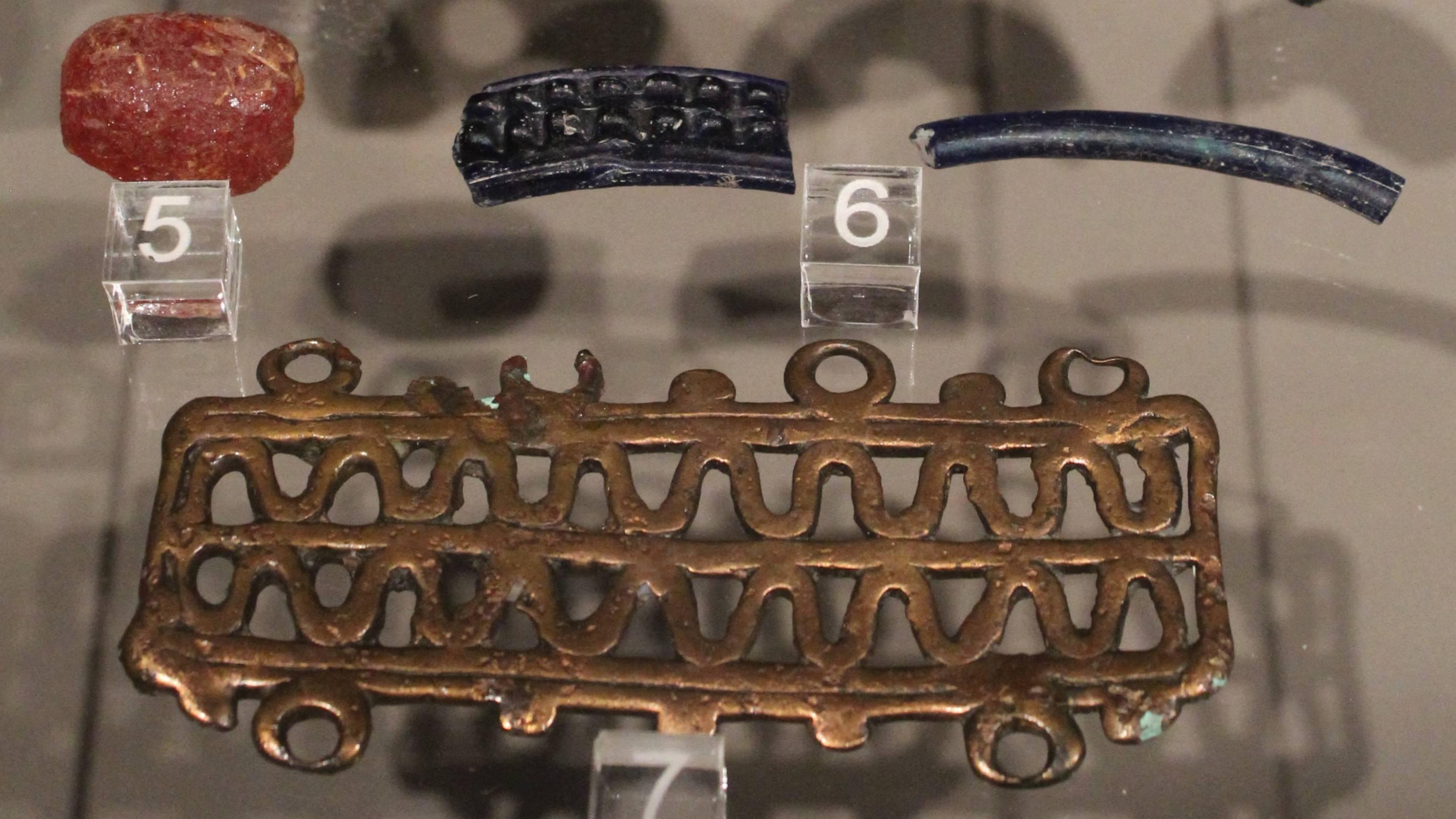
#FindsFriday #FerrousFriday #Celtic: `The Bratislava oppidum was involved in long-distance trade, as testified by a number of finds, such as Italic imports (bronze household ware, amphorae, Campana ceramics, terra sigillata), ores and minerals of foreign provenance (graphite from the territory of southern Bohemia, or Baltic amber) as well as rotary hand querns manufactured in distant lands.`
Source: Slovenské národné múzeum, Bratislava
#FerrousFriday
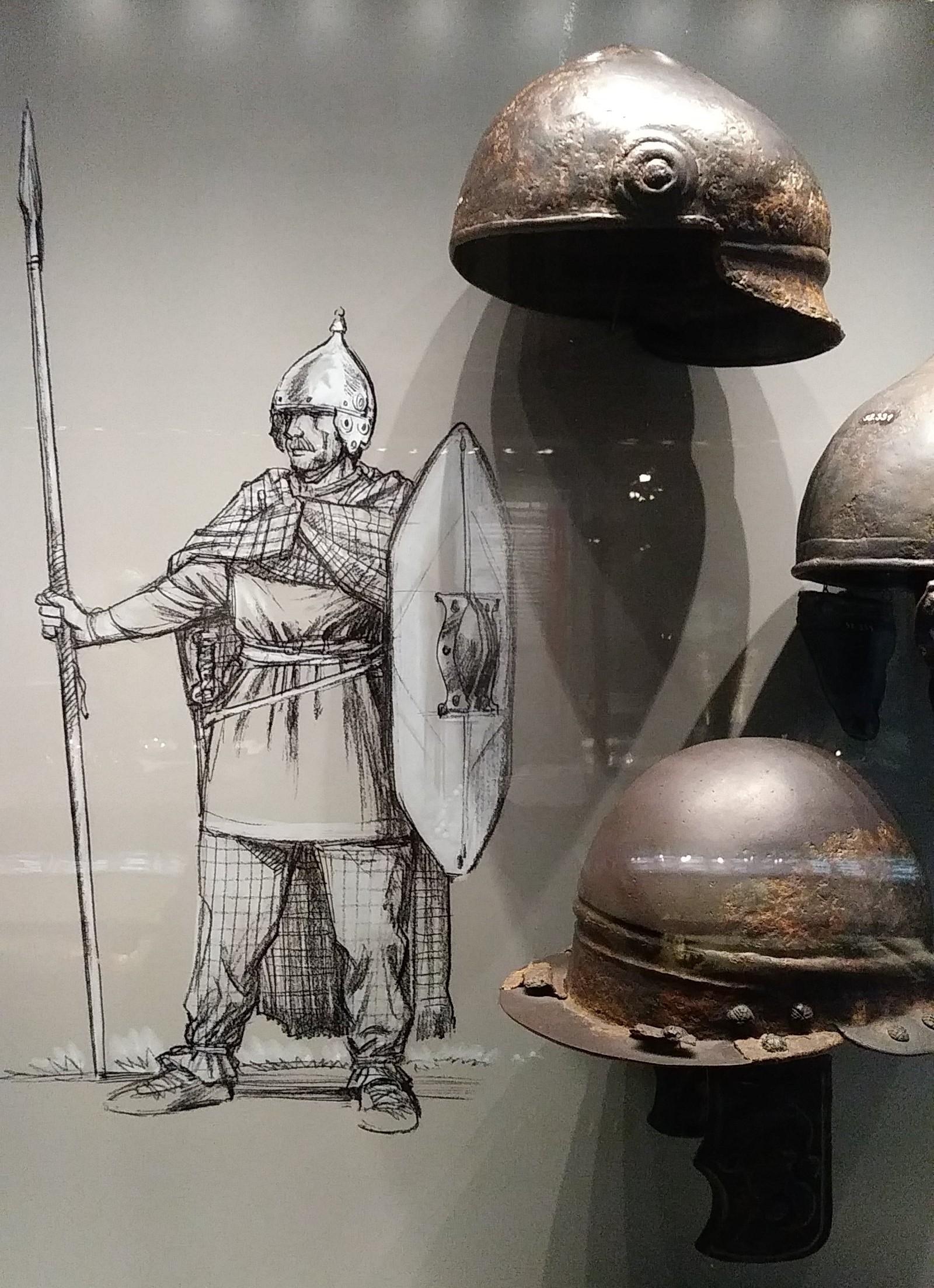
#FindsFriday #FerrousFriday: `Believing their souls to be immortal, #Celts were fearless warriors, who challenged their enemies to duels. Fighting naked was seen as particularly bold. #Celtic warriors used spears of up to 2.5 m, long swords and large shields. High-ranking warriors also possessed metal helmets and chain mail.` #Celtic
Source: Natural History Museum Vienna

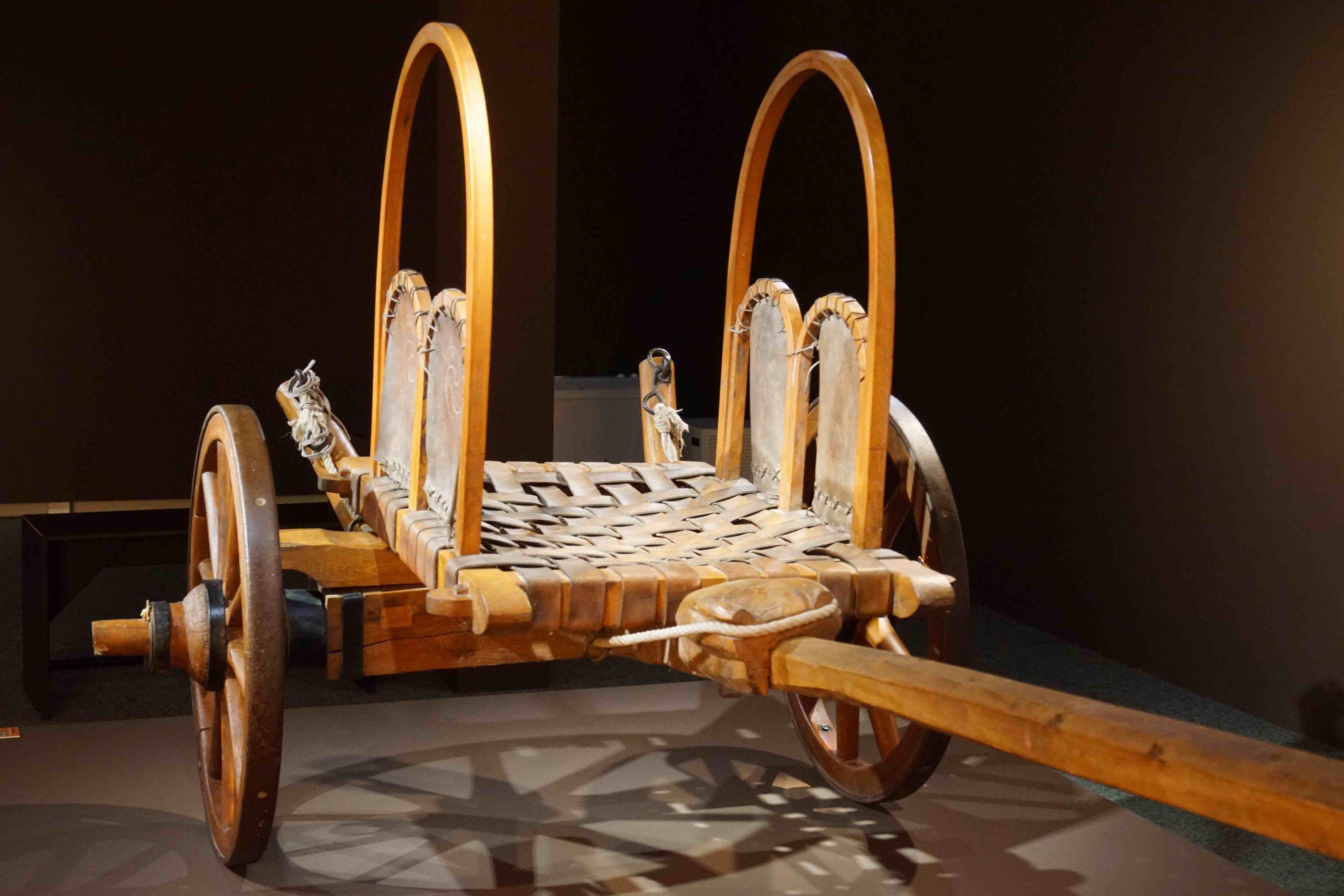
#FindsFriday #FerrousFriday: `#Celtic chariots were drawn by two horses. As with the chariots, only parts of the bridle were sacrificed. The length of the two heavy chains suggests these were used to connect the horse to the coupling. Such chains were previously only known from Roman mules.`
Source: Natural History Museum Vienna


#FindsFriday #FerrousFriday: `#Celts only sacrificed certain parts of their chariots. This was a „pars pro toto“-sacrifice, where a part represented the whole. The chariot parts found in the sacrificial ditches in Rosledorf, Lower Austria, show that several chariots had been dismantled there.` #Celtic
Source: Natural History Museum Vienna



#FindsFriday #FerrousFriday: #Celtic #IronAge folding knife
Source: Natural History Museum Vienna

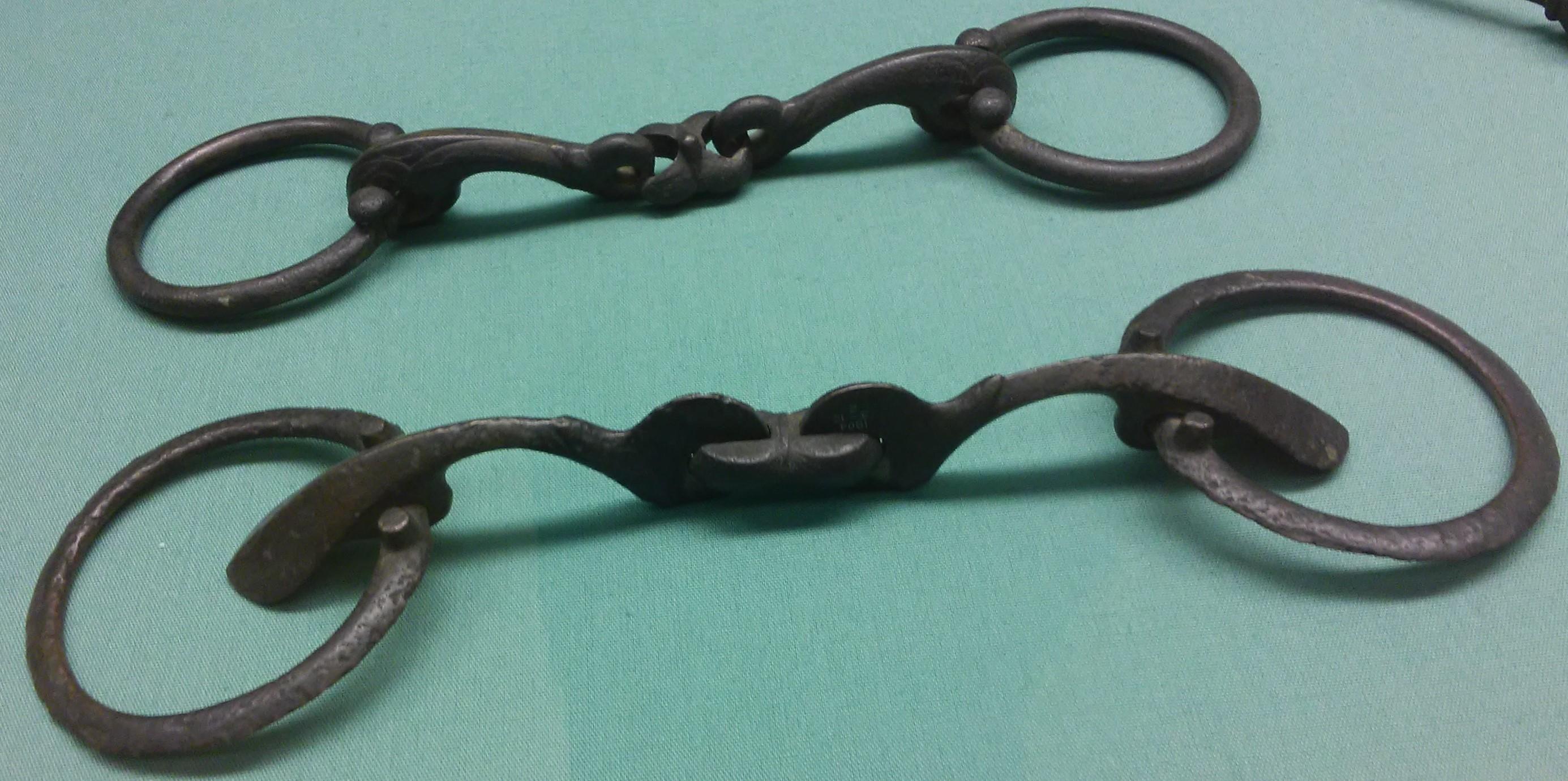
#FindsFriday #FerrousFriday: Recognisably different types of two-link bridle bits were developed in #Celtic #Ireland
Source: British Museum
#FindsFriday #FerrousFriday: #Celtic Bronze bull figurine with iron dorsal stripe and a triangular head ornament from Býčí skála Cave, Czech Republic, 800-400 BC.

#FindsFriday #FerrousFriday: #Celtic Iron torc, Marson, British Museum, photocredit 1. Neu-Kelte

#FindsFriday #FerrousFriday #Celtic: Hammer, tongs, file and spring scissors from a blacksmith’s grave
Source: MAMUZ Mistelbach, Lower Austria

#FindsFriday #FerrousFriday: Remains of a mail shirt or hauberk from Roseldorf, Lower Austria; #Celtic
Source: NHM Vienna

#FindsFriday #FerrousFriday #Celtic: The „Druid Crown“ from Roseldorf, Lower Austria, is the only known example of a ceremonial headdress found outside England or Ireland that was made of iron. Despite the iron material of this Roseldorf specimen, it should by no means be regarded as inferior; rather, the deliberate choice of iron as the material for this cult object could have been an honour for the wearer, as iron was a highly symbolic material.
Source: NHM Vienna


#FindsFriday #FerrousFriday: Dagger with scabbard, 5th century BC; bronze, iron, coral; Dürrnberg
Source: Museum of the Celts Hallein

#FindsFriday #FerrousFriday: Iron torc, Marson #Celtic
Source: British Museum
#FindsFriday #FerrousFriday: Hammer, tongs, file and spring scissors from a blacksmith’s grave #Celtic
Source: MAMUZ Mistelbach, Lower Austria
#FindsFriday #FerrousFriday #Celtic: Two fire dogs from the Klosterfrauenbichl near Lienz, Tyrol. „A fire dog is a frame on which the firewood is placed so that it can burn better. The ends of the fire dogs are designed as bulls‘ heads. They are recognisable as offerings because of their miniature size.“
Source: MAMUZ Museum Mistelbach
#FindsFriday #FerrousFriday #Celtic: „This wrought iron firedog was found in the cremation burial of wealth and power with the paraphenalia for feasting, including imported metal vessels and a wine amphora. Firedogs may have been used to spit-roast meat over an open fire for the funeral feast. The oxhead terminals with flaring horns are typical. Firedogs were rare and prestigious objects.“
Source: British Museum
#FindsFriday #FerrousFriday #Celtic: `Ritual insignia such as crowns differentiated #druids from the secular community. This iron crown from Roseldorf – the only #Celtic ceremonial headwear from mainland Europe – dates to 330-150 BC. It was destroyed on purpose before sacrifice.`
Source: Natural History Museum Vienna


#FindsFriday #FerrousFriday #Celtic: The birch hat (diameter 35 cm) of the man from the burial mound in #Hochdorf distinguished him from the other members of his tribe.
`He was not only a tribal leader, he also led the sacrifice. It is therefore reasonable to assume that we are dealing here with a #sacral king, the forerunner of the #druids. The state archaeologist of Baden-Württemberg, Dirk Krausse, explains two other unusual finds: `With a heavy iron axe, the deceased apparently killed defencible sacrificial animals (deer, cattle) by striking them on the forehead. A spear was then used to kill the animals with a blow to the heart.`
Source: zdf.de/dokumentation/zdfinfo-doku/die-druiden-geheimnisvolle-priester-der-kelten-102.html


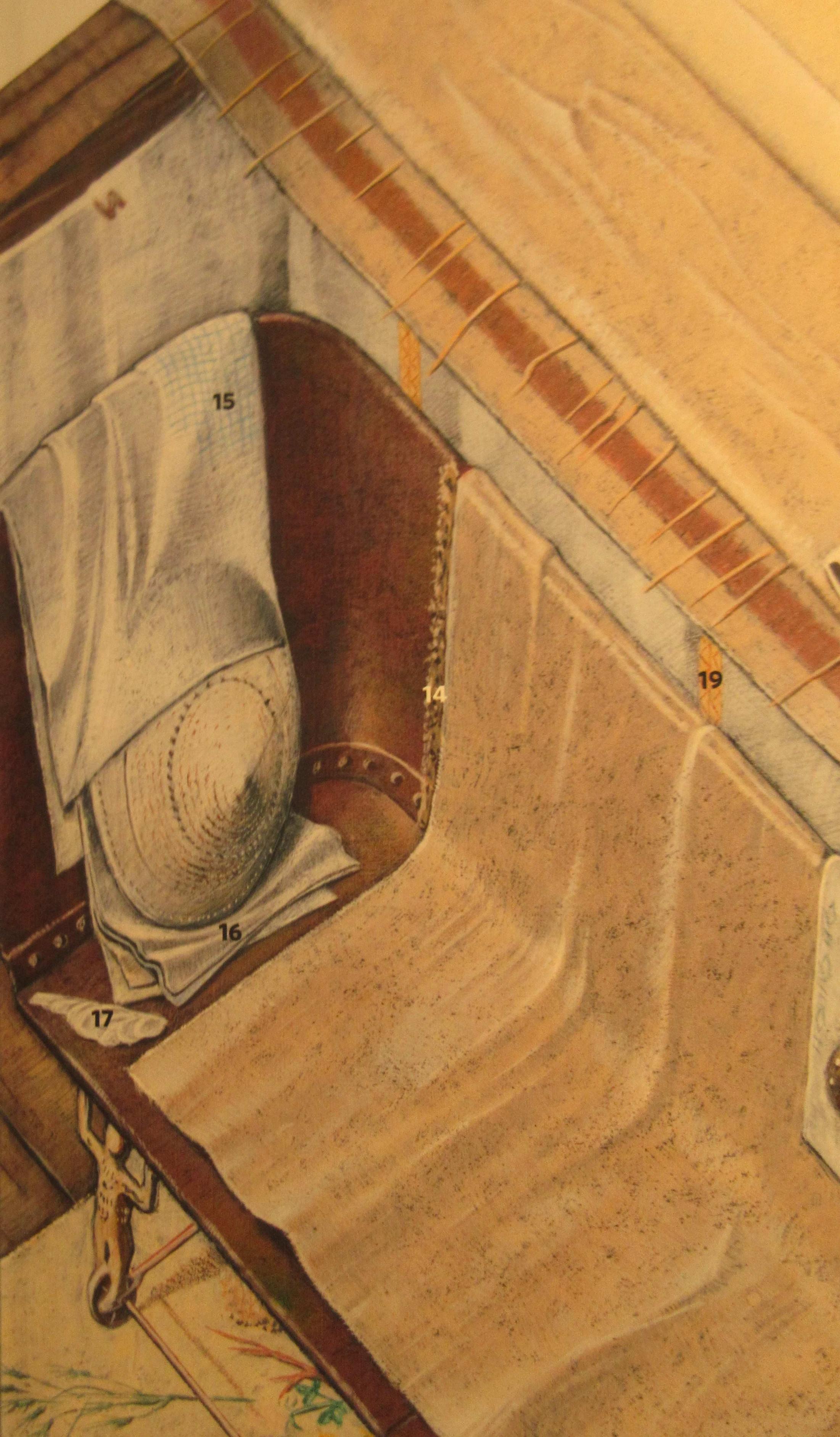
#FindsFriday #FerrousFriday: Medical instruments from a male grave in Munich-Obermenzing, 3.cent. BC.
Source: #Celtic-Romans-Museum in Manching, Bavaria
#FindsFriday #FerrousFriday: Skull trophy with trepanation, found at the east gate of Manching, 2.cent. BC
Source: #Celtic-Romans-Museum in Manching, Bavaria
Client Info
Server: https://mastodon.social
Version: 2025.07
Repository: https://github.com/cyevgeniy/lmst