

`Lemur eating strawberry guava (VIDEO) `
#lemur

The elegant #Sunda flying #lemur AKA #Colugo can glide 100m through trees 📷📷 in #Sumatra #Kalimantan and #Borneo. Totally reliant on trees, #palmoil is a major threat to them 📷 Fight back and #Boycottpalmoil #Boycott4Wildlife @palmoildetectives https://palmoildetectives.com/2026/02/08/sunda-flying-lemur-galeopterus-variegatus/

Sunda Flying Lemur Galeopterus variegatus
Sunda Flying Lemur Galeopterus variegatus
Locations: Thailand, Cambodia, Vietnam, Laos, Myanmar, Peninsular Malaysia, Singapore, Brunei, Indonesia (Java, Sumatra, Kalimantan, Bali), and Borneo
The Sunda flying lemur, also known as the Malayan flying lemur or Malayan #colugo, silently glides through the tropical forests of Southeast Asia, relying on ancient forests to survive. Despite their name, they are not true lemurs, nor do they fly—they are gliders, and among the most skilful in the world. This species is experiencing population declines in several parts of their range. They are threatened by #deforestation from #timber, #palmoil plantations, and #hunting by local communities. Forest loss, particularly in #Java, #Vietnam, and #Thailand, is fragmenting their populations and endangering their survival. Use your wallet as a weapon every time you shop and protect these sensitive creatures #BoycottPalmOil #Boycott4Wildlife
The elegant #Sunda flying #lemur AKA #Colugo can glide 100m through trees 🪽🕊️ in #Sumatra #Kalimantan and #Borneo. Totally reliant on trees, #palmoil is a major threat to them 😿 Fight back and🌴🩸🔥☠️🧐🚫 #Boycottpalmoil #Boycott4Wildlife @palmoildetect https://palmoildetectives.com/2026/02/08/sunda-flying-lemur-galeopterus-variegatus/
Share to BlueSky Share to TwitterHauntingly beautiful gliding #mammal, the Malayan #Colugo/ Sunda Flying #Lemur uses a cape-like skin membrane to slide 100’s of metres through the #rainforests of SE #Asia. Fight for them and #Boycottpalmoil 🌴🙊🤮🚜🔥❌ #Boycott4Wildlife @palmoildetect https://palmoildetectives.com/2026/02/08/sunda-flying-lemur-galeopterus-variegatus/
Share to BlueSky Share to TwitterAppearance & Behaviour
Sunda flying lemurs are hauntingly beautiful gliding mammals, with their large, forward-facing eyes adapted for night vision and a delicate, kite-shaped membrane of skin called a patagium stretching from their neck to their fingertips, tail, and toes. This structure allows them to glide over 100 metres through the forest canopy, losing as little as 10 metres in elevation. On the ground, they are nearly helpless, but in the trees, they move with astonishing agility. These quiet, nocturnal mammals spend their days curled up in tree hollows or nestled in the dense fronds of coconut trees, becoming active at dusk when they begin foraging.
Threats
Palm oil deforestation
The widespread clearing of tropical rainforest to establish palm oil plantations is one of the greatest threats to the Sunda flying lemur. These gliders rely heavily on continuous tree canopy for movement, foraging, and breeding. When forests are fragmented or entirely removed for palm oil, flying lemurs become stranded, exposed to predators, and unable to access food or shelter. This process has caused severe habitat degradation across Peninsular Malaysia, Sumatra, and Borneo.
Human persecution and hunting
In Java and some other regions, Sunda flying lemurs are hunted by local communities, including the Baduy Tribe, who increase hunting activity every four years as part of cultural practices. Though the species yields little meat, they are still killed for consumption or perceived nuisance. Hunting disrupts already fragile populations, particularly in areas where habitat loss has already reduced numbers and isolated groups.
Logging and forest fragmentation for timber
Commercial and illegal logging contribute to the rapid degradation of forests across Southeast Asia. Even selective logging can cause fragmentation, which limits the flying lemur’s ability to glide and forces them to descend to the ground—where they are highly vulnerable to predators and human threats. Logging roads also increase human access to remote forests, further accelerating hunting and forest conversion.
Competition with invasive species
In degraded habitats and plantations, Sunda flying lemurs face increased competition for food and nesting sites from invasive and generalist species such as the Plantain Squirrel (Callosciurus notatus). These squirrels are more adaptable and can dominate food sources, leaving less for the more specialised colugo. Competition like this puts additional stress on the already fragile populations of flying lemurs, especially in fragmented or edge habitats.
Urban expansion and infrastructure development
Rapid urbanisation across Southeast Asia has resulted in the encroachment of cities and towns into previously forested areas. Roads, buildings, hydroelectric dams and agricultural expansion sever vital canopy corridors and isolate populations, making gliding impossible in many urban landscapes. As a result, Sunda flying lemurs are forced to navigate unsuitable environments, increasing their risk of vehicle collisions, electrocution from power lines, and conflict with humans.
Weak protections and lack of enforcement
Although the Sunda flying lemur is legally protected in several countries, enforcement is often weak or inconsistent. In areas like Sarawak and Java, data on current populations is outdated or incomplete, making it difficult to assess trends or plan effective conservation strategies. Without strong protections and ongoing monitoring, habitat loss and hunting will continue to drive the species toward future vulnerability or extinction.
Geographic Range
Sunda flying lemurs are found across Southeast Asia, including Thailand, Cambodia, Vietnam, Laos, southern Myanmar, Peninsular Malaysia, Singapore, Brunei, and Indonesia (Java, Bali, Sumatra, Kalimantan, and Borneo). They are patchily distributed, with population declines noted in Java and possibly Sarawak. They occur in both primary and secondary forests, and are sometimes seen in plantations and gardens—but dense forest canopy is critical for their survival. Populations in disturbed habitats are less viable due to limited gliding space and reduced food availability.
Diet
The Sunda flying lemur feeds primarily on young leaves, buds, shoots, flowers, and fruits of a wide variety of forest trees. In Bako National Park, Sarawak, they have been observed feeding on over 12 tree species, with Buchanania arborescens making up over 50% of their diet. They also consume tree sap and have even been seen licking bark for water and minerals. Interestingly, they have been recorded feeding on ants (Paratrechina longicornis) in rare cases, highlighting their adaptability in changing environments.
Mating and Reproduction
After a gestation period of about 60 days, females give birth to a single young, which clings to the mother’s belly and is cradled within the folds of the patagium. The mother’s gliding membrane acts like a living pouch, offering warmth and protection as she climbs and glides through the treetops. Not much else is known about their mating systems or breeding intervals, but juveniles stay with their mothers until they are old enough to glide on their own.
FAQs
How many Sunda flying lemurs are left in the wild?
Exact population numbers are unknown, but the species is believed to be in slow decline. Localised extinctions are suspected in parts of Java and mainland Southeast Asia due to hunting and habitat fragmentation. While still widespread, their dependence on intact forests makes them vulnerable to ongoing deforestation (Boeadi & Steinmetz, 2008).
How long do Sunda flying lemurs live?
In the wild, their lifespan is estimated to be around 10–15 years, though this can vary depending on threats and environmental conditions. Data from wild populations are limited due to their elusive, nocturnal habits (Wikipedia, n.d.).
Why are they threatened by palm oil?
Palm oil plantations destroy the lowland tropical forests that flying lemurs depend on. Unlike other adaptable mammals, colugos require dense canopy cover for safe gliding, resting, and breeding. When forests are cleared, these gliders lose their ability to navigate safely, exposing them to predators and starvation. The conversion of rainforest into monoculture plantations has led to significant declines in habitat quality across their range (Lim et al., 2013; Nasir & Abdullah, 2009).
Do Sunda flying lemurs make good pets?
Absolutely not. Sunda flying lemurs are wild animals with specialised needs. They are not domesticated, and keeping them as pets leads to extreme stress, injury, or death. Capturing these animals for trade disrupts family groups and contributes to their extinction. If you care about flying lemurs, advocate against the exotic pet trade and never support it.
What conservation efforts are underway?
National laws protect the Sunda flying lemur in many range countries, and studies have been conducted in places like Bako National Park and Singapore. However, much stronger protection is needed, particularly in habitat protection and indigenous-led conservation. Conservationists recommend protecting forest patches, especially those with >95% canopy cover, to ensure their survival (Lim et al., 2013).
Take Action!
Protect the Sunda flying lemur by choosing only products that are 100% palm oil-free. Avoiding palm oil directly combats deforestation and preserves vital canopy corridors these animals depend on. Support indigenous-led agroecology and forest protection movements. Never support the exotic pet trade or keep wild animals in captivity. Every purchase you make has the power to either destroy or safeguard their rainforest homes. #BoycottPalmOil #Boycott4Wildlife
Support Sunda Flying Lemurs by going vegan and boycotting palm oil in the supermarket, it’s the #Boycott4Wildlife
Support the conservation of this species
This animal has no protections in place. Read about other forgotten species here. Create art to support this forgotten animal or raise awareness about them by sharing this post and using the #Boycottpalmoil #Boycott4Wildlife hashtags on social media. Also you can boycott palm oil in the supermarket.
Further Information
Boeadi & Steinmetz, R. 2008. Galeopterus variegatus. The IUCN Red List of Threatened Species 2008: e.T41502A10479343. https://dx.doi.org/10.2305/IUCN.UK.2008.RLTS.T41502A10479343.en. Accessed on 06 April 2025.
Lim, N. T-L., Giam, X., Byrnes, G., & Clements, G. R. (2013). Occurrence of the Sunda colugo (Galeopterus variegatus) in the tropical forests of Singapore: A Bayesian approach. Mammalian Biology, 78(1), 63–67. https://doi.org/10.1016/j.mambio.2012.06.008
Nasir, D., & Abdullah, M. T. (2009). Foraging ecology of the Sunda colugo (Galeopterus variegatus) in Bako National Park, Sarawak, Malaysia. Malayan Nature Journal, 61(4), 285–294. https://www.researchgate.net/publication/290610443_Foraging_ecology_of_the_sunda_colugo_galeopterus_variegatus_in_bako_national_park_sarawak_malaysia
Wikipedia. (n.d.). Sunda flying lemur. Retrieved April 6, 2025, from https://en.wikipedia.org/wiki/Sunda_flying_lemur
How can I help the #Boycott4Wildlife?
Take Action in Five Ways
1. Join the #Boycott4Wildlife on social media and subscribe to stay in the loop: Share posts from this website to your own network on Twitter, Mastadon, Instagram, Facebook and Youtube using the hashtags #Boycottpalmoil #Boycott4Wildlife.
Enter your email address
Sign Up
Join 3,174 other subscribers2. Contribute stories: Academics, conservationists, scientists, indigenous rights advocates and animal rights advocates working to expose the corruption of the palm oil industry or to save animals can contribute stories to the website.
Read moreMel Lumby: Dedicated Devotee to Borneo’s Living Beings
Read moreAnthropologist and Author Dr Sophie Chao
Read moreHealth Physician Dr Evan Allen
Read moreThe World’s Most Loved Cup: A Social, Ethical & Environmental History of Coffee by Aviary Doert
Read moreHow do we stop the world’s ecosystems from going into a death spiral? A #SteadyState Economy
Read more3. Supermarket sleuthing: Next time you’re in the supermarket, take photos of products containing palm oil. Share these to social media along with the hashtags to call out the greenwashing and ecocide of the brands who use palm oil. You can also take photos of palm oil free products and congratulate brands when they go palm oil free.
https://twitter.com/CuriousApe4/status/1526136783557529600?s=20
https://twitter.com/PhillDixon1/status/1749010345555788144?s=20
https://twitter.com/mugabe139/status/1678027567977078784?s=20
4. Take to the streets: Get in touch with Palm Oil Detectives to find out more.
5. Donate: Make a one-off or monthly donation to Palm Oil Detectives as a way of saying thank you and to help pay for ongoing running costs of the website and social media campaigns. Donate here
Pledge your supportLearn about other animals endangered by palm oil and other agriculture
Global South America S.E. Asia India Africa West Papua & PNGSunda Flying Lemur Galeopterus variegatus
Keep readingWestern Parotia Parotia sefilata
Keep readingCapped Langur Trachypithecus pileatus
Keep readingMountain Tapir Tapirus pinchaque
Keep reading Keep reading Keep readingLearn about “sustainable” palm oil greenwashing
Read more about RSPO greenwashing
Lying Fake labels Indigenous Land-grabbing Human rights abuses Deforestation Human health hazardsA 2019 World Health Organisation (WHO) report into the palm oil industry and RSPO finds extensive greenwashing of palm oil deforestation and the murder of endangered animals (i.e. biodiversity loss)
Read more #animals #Asia #Borneo #Boycott4wildlife #BoycottMeat #BoycottPalmOil #Brunei #Cambodia #colugo #dams #deforestation #ForgottenAnimals #glidingMammal #humanWildlifeConflict #hunting #hydroelectric #Indonesia #Java #Kalimantan #Laos #lemur #Malaysia #Mammal #Myanmar #nocturnal #PalmOil #palmOilDeforestation #palmoil #poaching #rainforests #Sumatra #Sunda #SundaFlyingLemurGaleopterusVariegatus #Thailand #timber #Vietnam #VulnerableSpecies



The elegant #Sunda flying #lemur AKA #Colugo can glide 100m through trees 🪽🕊️ in #Sumatra #Kalimantan and #Borneo. Totally reliant on trees, #palmoil is a major threat to them 😿 Fight back and🌴🩸🔥☠️🧐🚫 #Boycottpalmoil #Boycott4Wildlife



Sunbathing Lemurs #zoo #animal #lemur #sunbathing #photo #photography



Compilation of Detox Doodles!
This me trying to replace the urge to scroll with the habit of sketching daily!
My favorite two are the Kakapos and the Cheetahs!
#art #kakapo #newzealand #australia #bird #panda #elephant #quokka #cheetah #lemur #sketch #DetoxDoodles #sciart #InkArt


Black-and-white ruffed lemur in Madagascar
© Cyrielle Beaubois/Getty Images
#photography #lemur

Sunbathing #lemur #zoo #colchesterzoo #animal #photo #photography


Detox Doodles!
This is one of a series of daily sketches that I've been doing to curb my mindless scrolling!
This page is all about Ringtailed Lemurs! Their eyes are difficult to draw with their dark patches...


Chubby lemurs in your area!
https://www.furaffinity.net/view/63328972/
-
#Furry #Furryart #Lemur


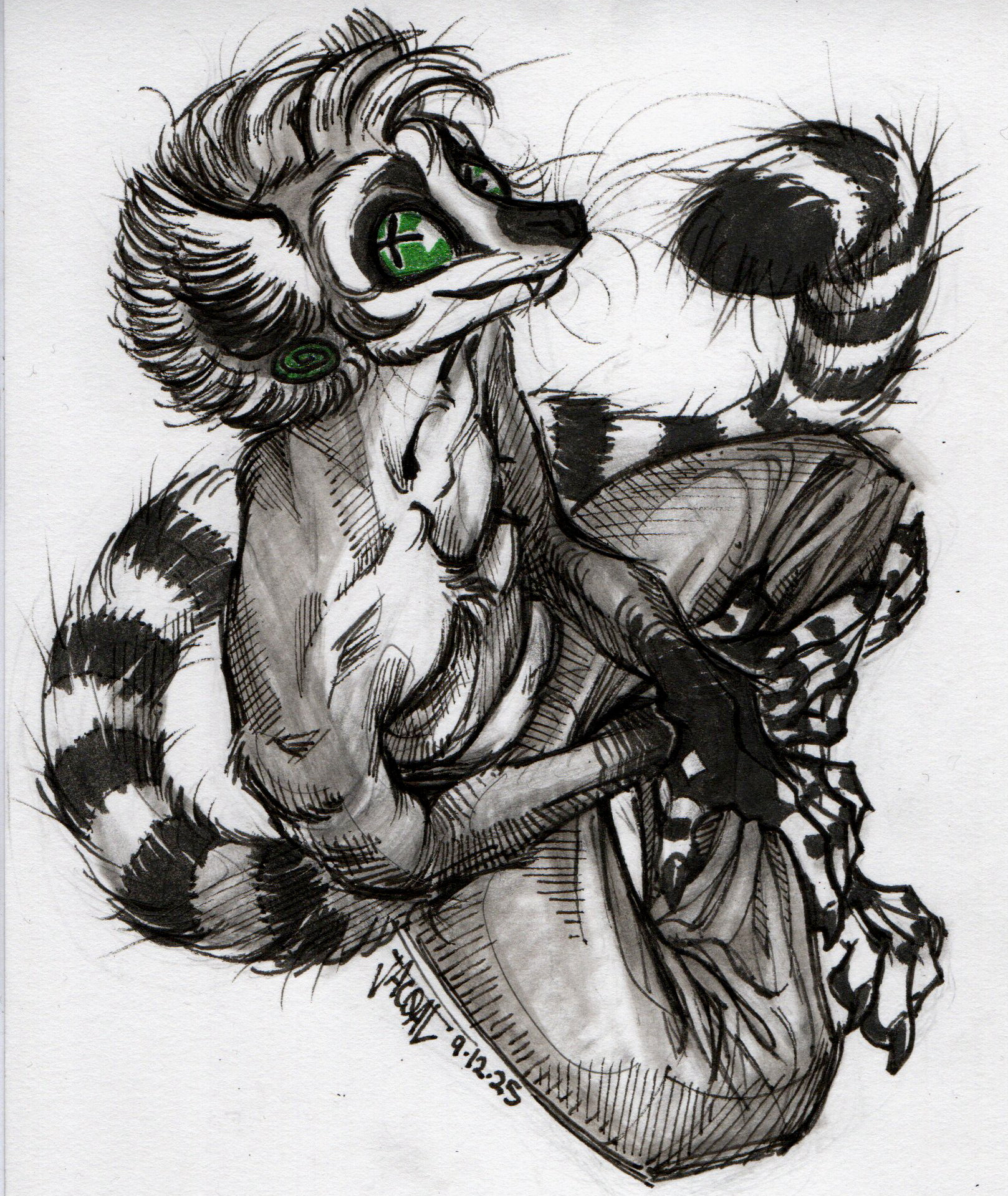


I just started reading the IDW comics... I love her~ <3
--
#sketch #tangle_the_lemur #anthro #female #furry #mobian #sonic_the_hedgehog #sega #lemur #mammal #primate #animal #IDW_sonic #IDW #IDW_publishing

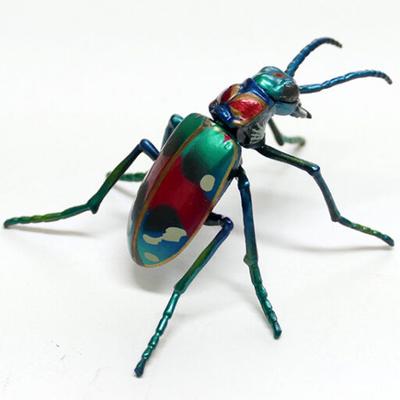
Ring-tailed Lemur (Madagascar Animal Figurine Playset by Toymany)
Visiting the island of Madagascar again, this time with what might be the most well-known (and produced as a figure), the ring-tailed lemur Lemur catta from the Toymany Madagascar Animal set. The species has been seen on the blog a few times before, and has been a very popular species with toy companies for decades! Possibly for the distinctive appearance, possibly because of the cat-like […]
Read more... https://animaltoyforum.com/blog/ring-tailed-lemur-madagascar-animal-figurine-playset-by-toymany/


My Dengos characters.
* Dengos (semi open species) (C) Nidomiko (on toyhouse)
#traditionlart #colorpencil #drawing #fantasy #original #originalcharacter #semiopenspecies #marsupial #lemur #fox #fennec #hybrid #feral #myart #mystyle #noaiart #humanmadeart


Client Info
Server: https://mastodon.social
Version: 2025.07
Repository: https://github.com/cyevgeniy/lmst