Portuguese Unprotected Cruiser Adamastor anchored in Hong Kong, 1905 https://www.destinationsjourney.com/historical-military-photographs/portuguese-unprotected-cruiser-adamastor/ #MaritimeHistory #NavalHistory #Adamastor #CruiserAdamastor #PortugueseNavy #Cruiser #UnprotectedCruiser #Navy #Naval #NRPAdamastor
#cruiser


@SalemsLot @simondeutschl
Niemensch wird gezwungen da zu folgen/mitzumachen. Accounts/Instanzen mit #Fahrrad gibt's viele, aber bisher eben keine Motorradinstanzen. Die fehlen (mir) einfach. Da splittet sich das leider eh viel mehr auf als bei "motorlosen" Zweirädern, meist nach Art* und sogar Marken. Um von der (noch) eher Nische Elektrik gar nicht erst anzufangen. Ok, mit Pedelecs und Projekten wie dem eRockit sind die Übergänge bald fliessend.. Trotzdem.
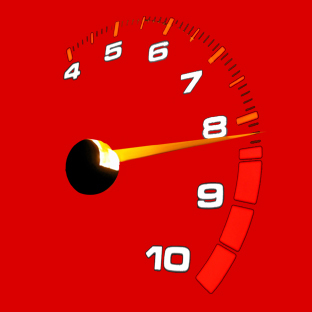
Moto del día: Kawasaki VN 1700 Nomad
https://motos.espirituracer.com/motodeldia/moto-del-dia-kawasaki-vn-1700-nomad/
#CarnA #Cruiser #Custom #Kawasaki #MsDe1000Cc #MotoDelDa #KawasakiVulcan #KawsakiVN1700Nomad
#espirituRACERmoto #motos #motorbikes

Almirante Brown was ordered as part of Argentina’s effort to maintain naval parity with neighbouring Brazil and Chile. The cruiser was constructed by the Italian shipbuilding firm Ansaldo at Genoa in Italy. She was laid down in 1927, launched in 1929, and commissioned into Argentine service in 1931. The vessel was the lead ship of a two-cruiser class that also included ARA Veinticinco de Mayo. https://www.destinationsjourney.com/historical-military-photographs/argentine-heavy-cruiser-almirante-brown-c-1/ #MaritimeHistory #NavalHistory #Cruiser #HeavyCruiser #ArgentineNavy


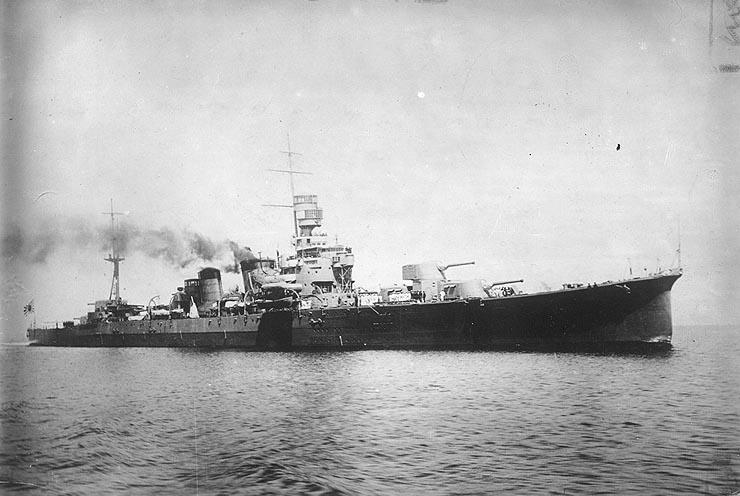
Japanese Heavy Cruiser Kako in 1926 https://www.destinationsjourney.com/japanese-heavy-cruiser-kako/ #maritimehistory #navalhistory #IJN #ImperialJapaneseNavy #Kako #heavycruiser #cruiser
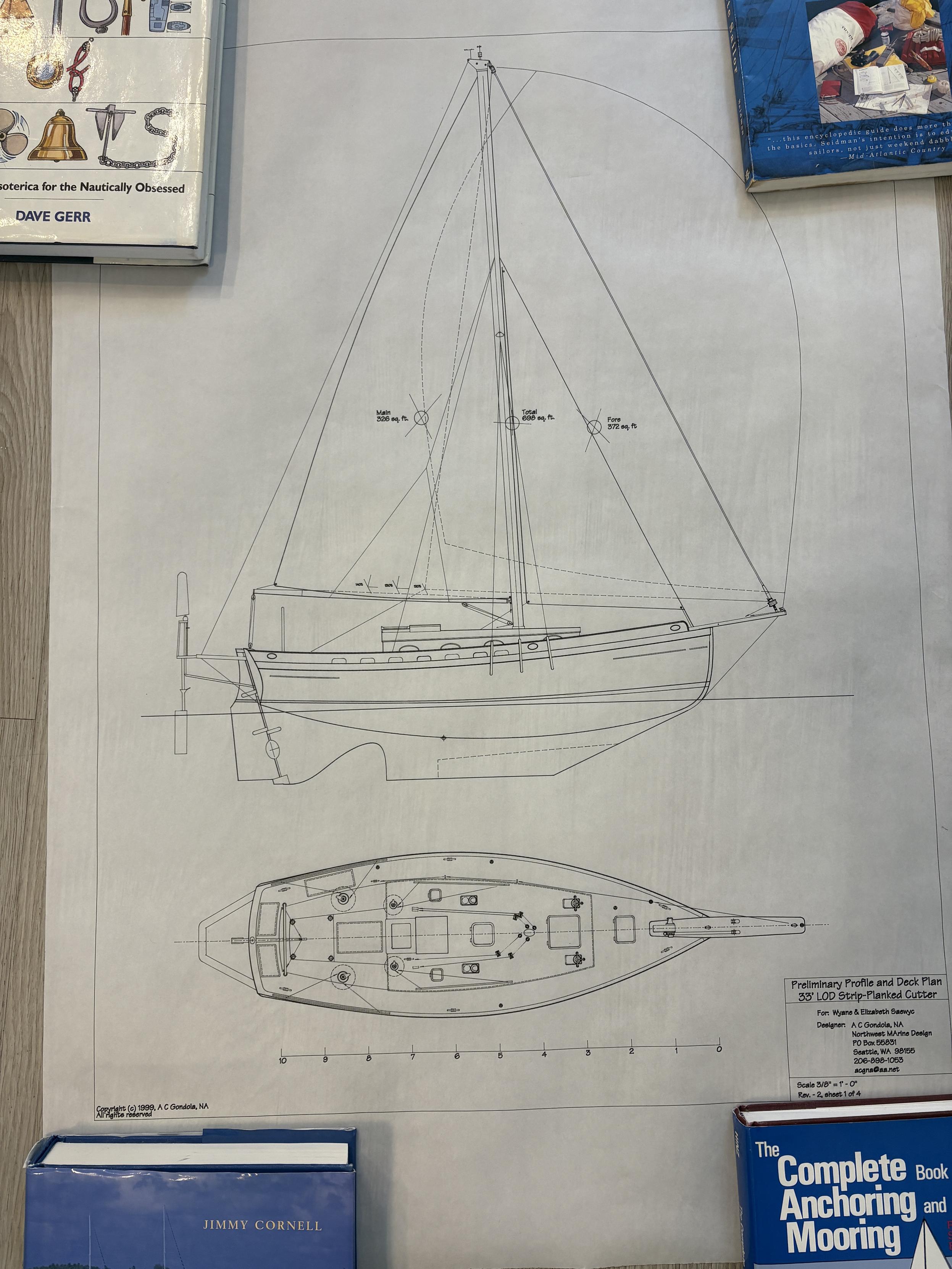
A quarter-century ago, with firm commitments from my partner, we commissioned a #sailboat design for #bluewater #cruising on a budget.
Still a lot of elements I like, but it would not be a fast #cruiser. It also needs a substantial motor. Some things I know better than to do now: e.g. that windvane is dangerously far aft, unrepairable at sea.
When it came to the build, my partner dithered and delayed. It was never built.
The Italian Regia Marina light cruiser Alberico da Barbiano. Sunk at the Battle of Cape Bon while transporting supplied to Tripoli https://www.destinationsjourney.com/historical-military-photographs/italian-light-cruiser-alberico-da-barbiano/ #maritimeHistory #NavalHistory #RegiaMarina #ItalianNavy #lightcruiser #cruiser #AlbericodaBarbiano

The Imperial Japanese Navy light cruiser Ōyodo was designed as a submarine flotilla flagship. Instead, she served as an escort, transport, and fleet support vessel throughout much of her career. In October 1944 she participated in the Battle off Cape Engaño as part of the Northern Force. She was sunk at Kure in July 1945. https://www.destinationsjourney.com/historical-military-photographs/japanese-light-cruiser-oyodo/ #MaritimeHistory #NavalHistory #IJN #ImperialJapaneseNavy #Ōyodo #lightcruiser #cruiser #WorldWarTwo #WW2 #WWII #SecondWorldWar

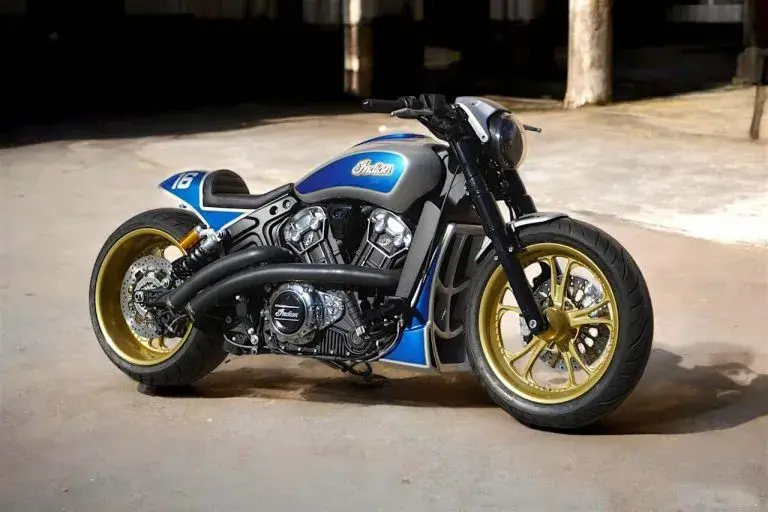
Indian Scout 240 Neoracer: Cuando el músculo americano habla español
#CarnA #Cruiser #Custom #Indian #MsDe1000Cc #Noticias #IndianScout #IndianScout240Neoracer
#espirituRACERmoto #motos #motorbikes
Moto del día: Suzuki GS850 L
https://motos.espirituracer.com/motodeldia/moto-del-dia-suzuki-gs850-l/
#751A1000Cc #CarnA #Clsicas #Cruiser #MotoDelDa #Suzuki #SuzukiGS850 #SuzukiGS850L
#espirituRACERmoto #motos #motorbikes

Moto del día: Honda VF750C V45 Magna (1993)
https://motos.espirituracer.com/motodeldia/moto-del-dia-honda-vf750c-v45-magna-1993/
#501A750Cc #CarnA #Cruiser #Honda #MotoDelDa #HondaVF750CV45Magna
#espirituRACERmoto #motos #motorbikes

HNLMS Sumatra was the second of the Java-class light cruisers built for the Royal Netherlands Navy.
In 1944 she was transferred to the Royal Navy and scuttled on 9 June 1944 at Ouistreham, as part of a gooseberry pier to protect an artificial Mulberry Harbour built by the Allies as part of Operation Overlord. https://www.destinationsjourney.com/historical-military-photographs/netherlands-cruiser-hnlms-sumatra/ #maritimehistory #NavalHistory #cruiser #RoyalNetherlandsNavy #HNLMSSumatra


For #ShipSaturday, the #HMSBelfast on the #Thames, a museum #ship from the Royal Navy that's now operated by the #ImperialWarMuseum
#ships #Schiff #Schiffe #Museumsschiff #museumShip #lightCruiser #cruiser #Kreuzer #London #Themse #LondonPhotography #TowerBridge #SchiffSamstag #SchiffsSamstag
#ships #Schiff #Schiffe #Museumsschiff #museumShip #lightCruiser #cruiser #Kreuzer #London #Themse #LondonPhotography #TowerBridge #SchiffSamstag #SchiffsSamstag


Haben wir noch 2015? #Toyota #Urban #Cruiser im ersten #Fahrbericht. #ev
Der Toyota Urban Cruiser soll Toyotas Einstieg in die E-Mobilität sein. Leider sind Software, Ladezeit, Navi und Ladeplanung total veraltet. Fahrwerk, Verarbeitung, Platzangebot trotz seiner kompakten Größe und viel Fahrspaß bietet er aber reichlich.
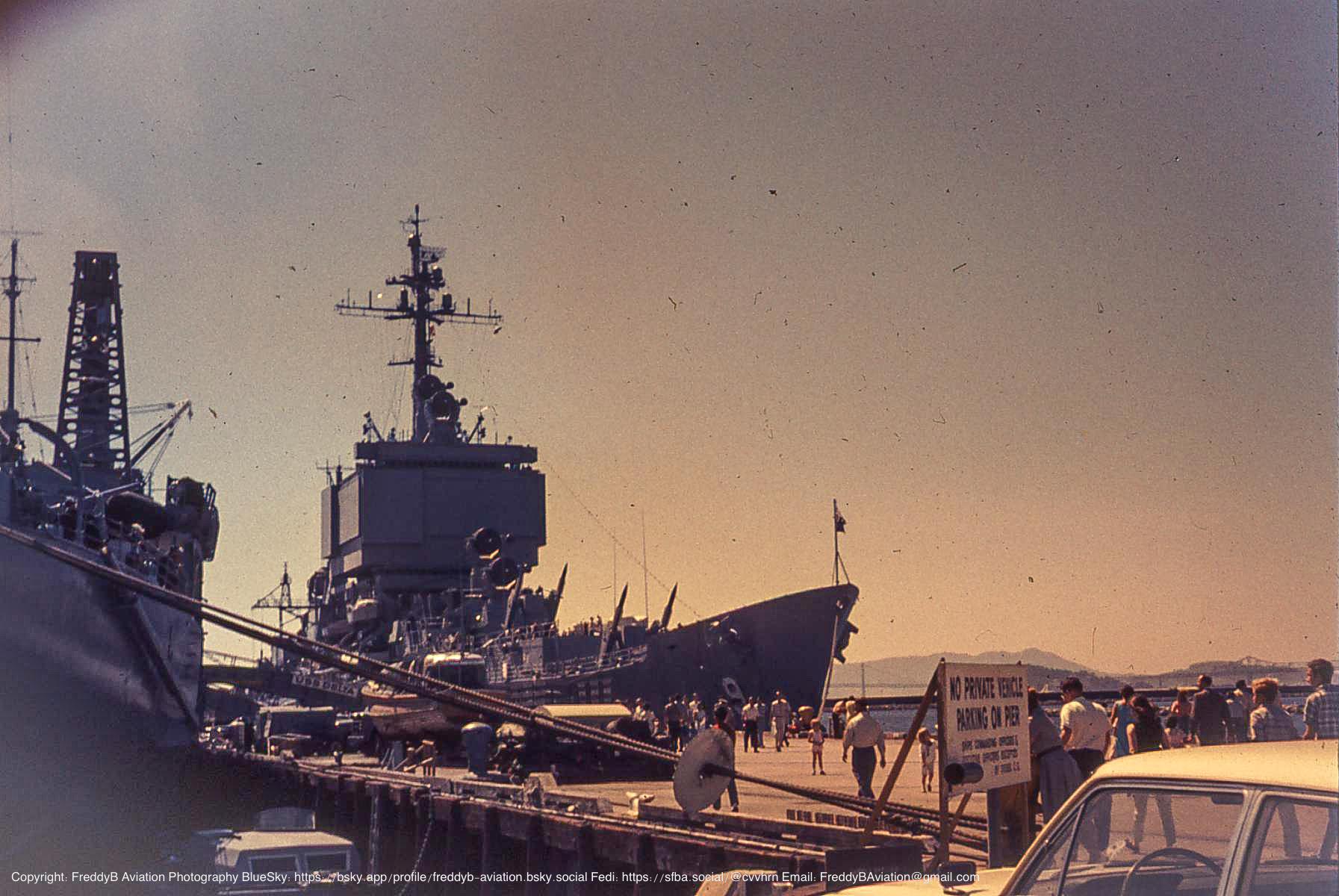
USS Long Beach (CGN-9) at NAS Alameda during fleet week in the mid 60's. The Long Beach was the worlds first nuclear powered surface warfare ship. It was decommissioned in 1994 (from my fathers slide collection) #USSLongBeach #NASAlameda #Alameda #USN #nuclear #USN #cruiser #ship


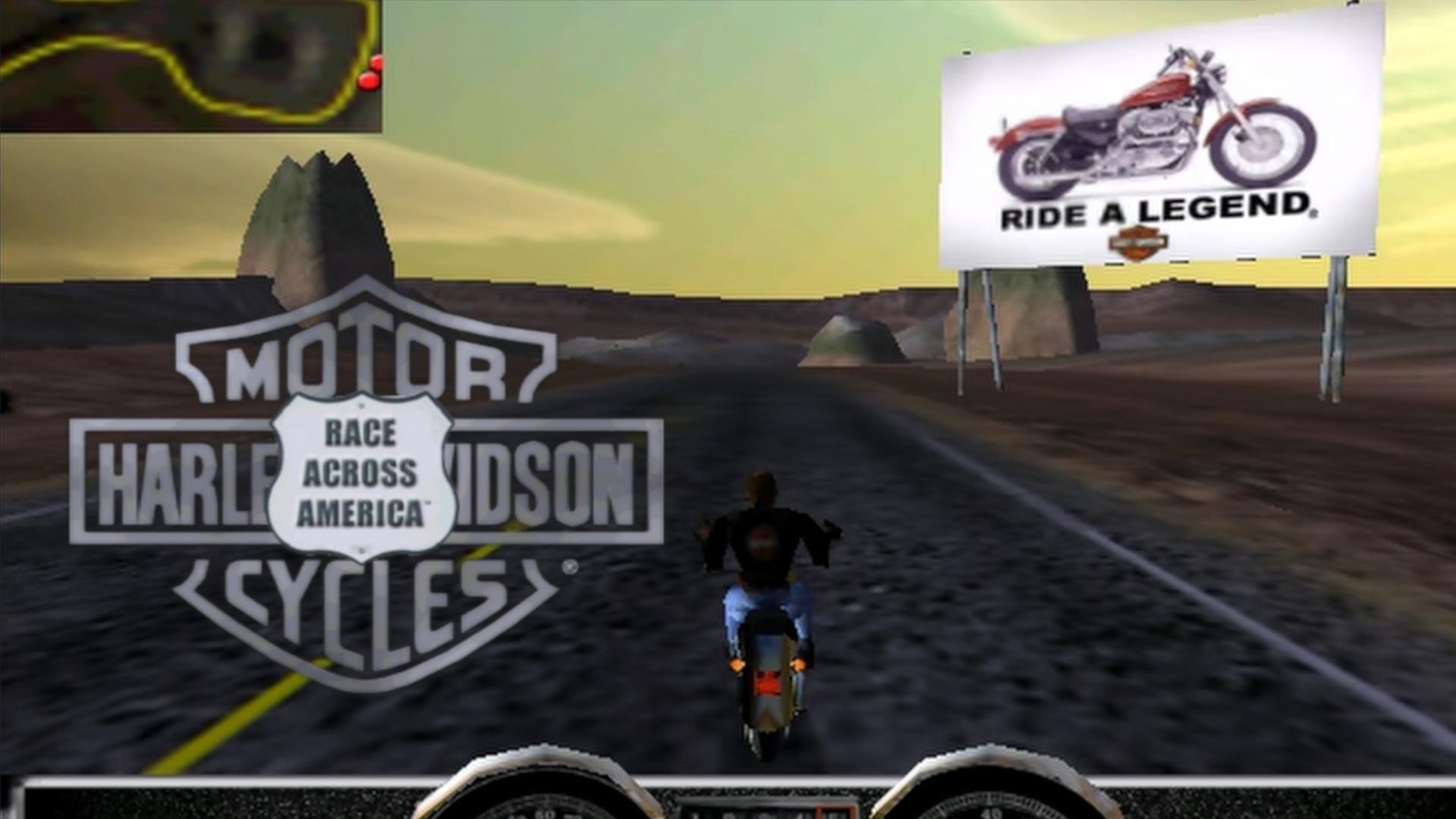
NEU IM BLOG - Kev in Action: Harley-Davidson – Race Across America
Ein Rennspiel mit Harley-Davidson-Lizenz? Klingt nach Freiheit auf dem amerikanischen Highway. Bekommt man auch… nur nicht in angenehmer Form.
Geschrieben von Kevin Puschak
https://www.videospielgeschichten.de/kev-in-action-harley-davidson-race-across-america/
#Amerika #CanopyGames #Cruiser #HarleyDavidson #Motorrad #WizardWorks #Rennspiel
Client Info
Server: https://mastodon.social
Version: 2025.07
Repository: https://github.com/cyevgeniy/lmst