The book was not so interesting but the title is great.
#SystemsThatMatter
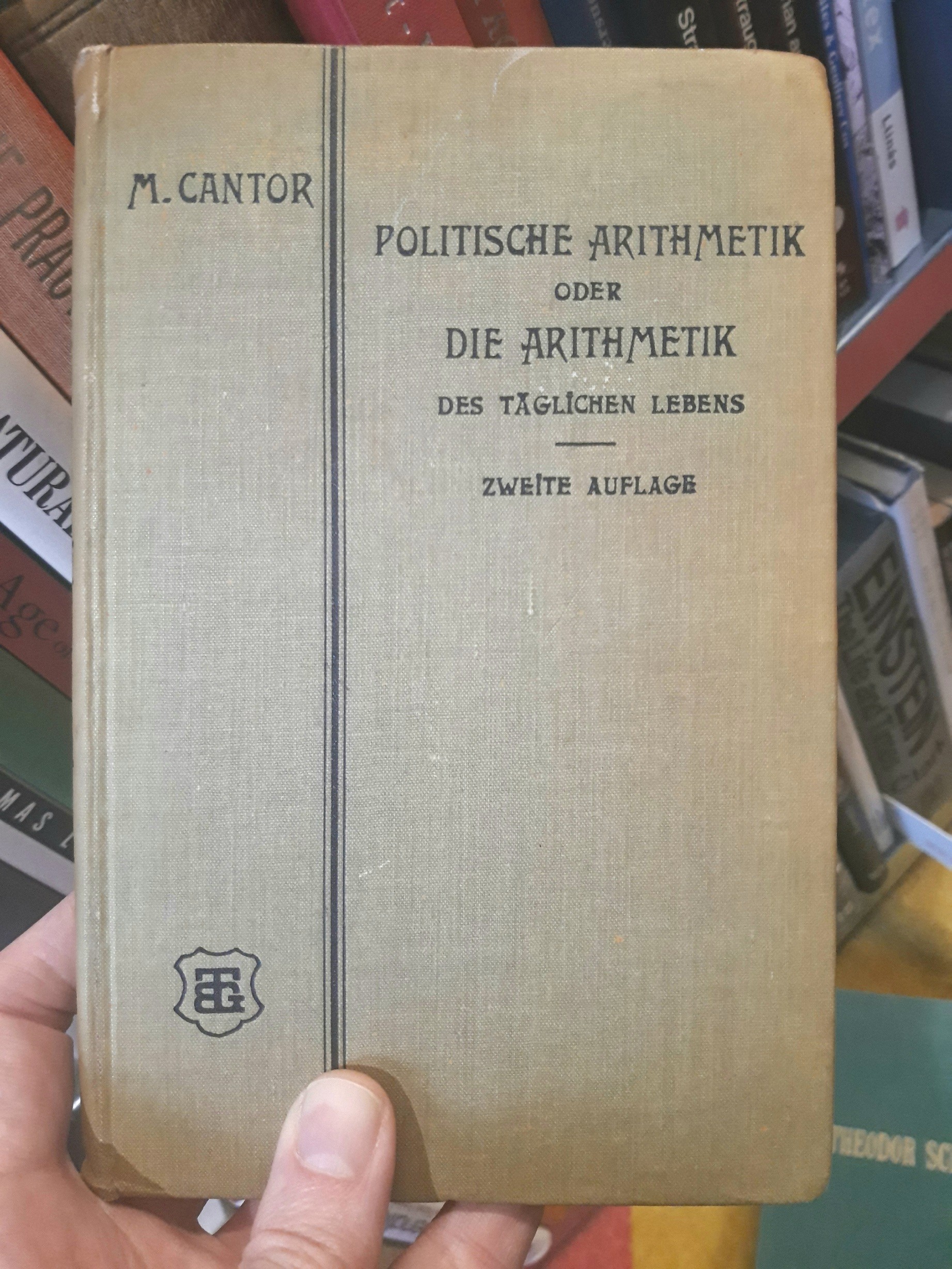
Twenty years ago, when I was making my film #37, I read (most of) this fantastic book and it was very influential. Hélène Metzger wrote it in 1918, and I am not sure there is another book that goes as deeply (and respectfully) into the (Western) intellectual history of crystals. Being into real artificial crystals now - not virtual - I really should reread it.

I still do not understand why everybody now seems to think that short book titles are better.
#LouisBourguet #LettresPhilosophiquesSurLaFormationSesSelsEtDesCrystauxEtSurLaGénérationEtLeMéchanismeOrganiqueDesPlantesEtDesAnimauàlOccasionDeLaPierreBelemniteEtDeLaPierreLenticulaireAvecUnMemoireSurLaTheorieDeLaTerre #SystemsThatMatter

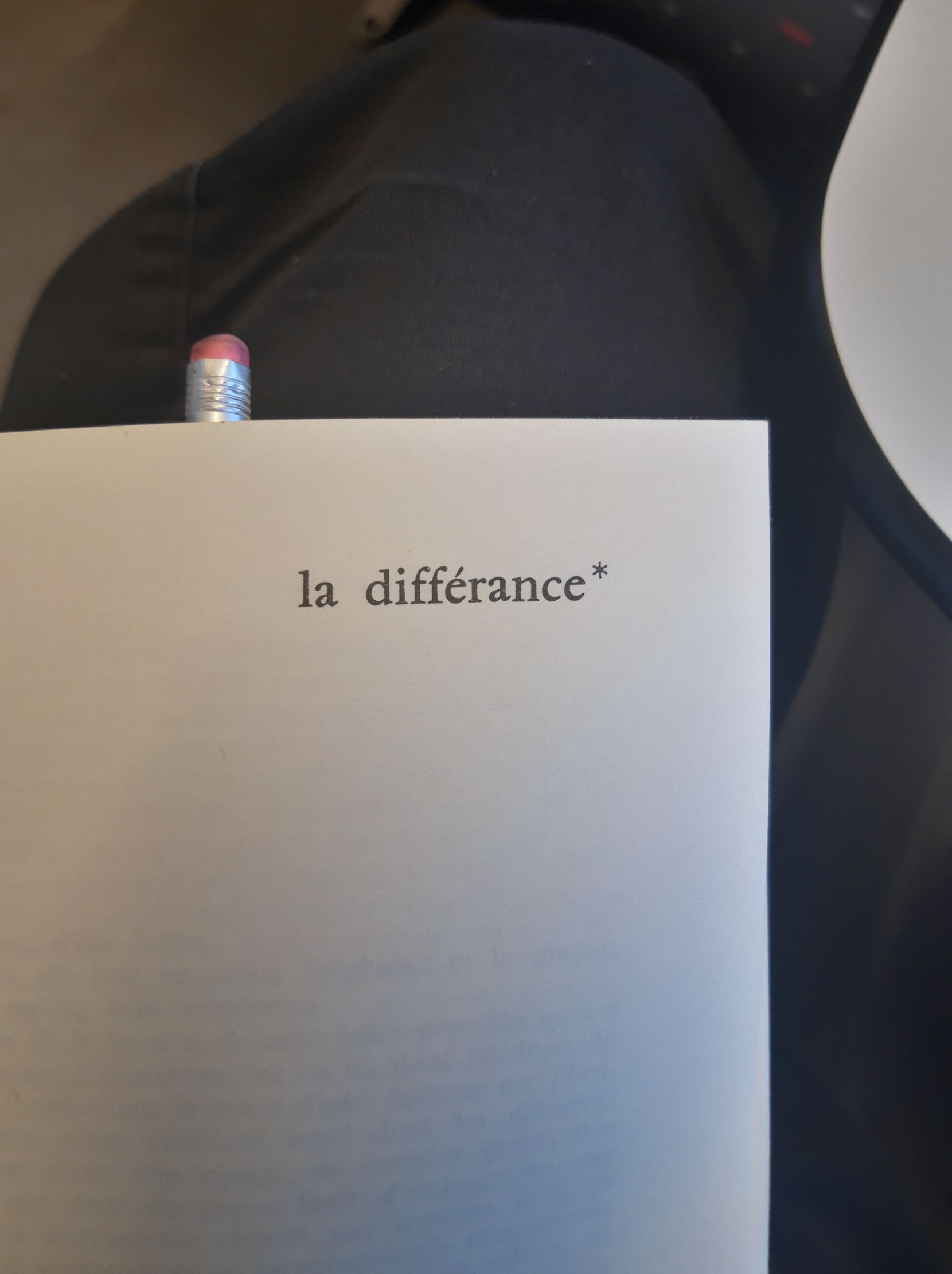
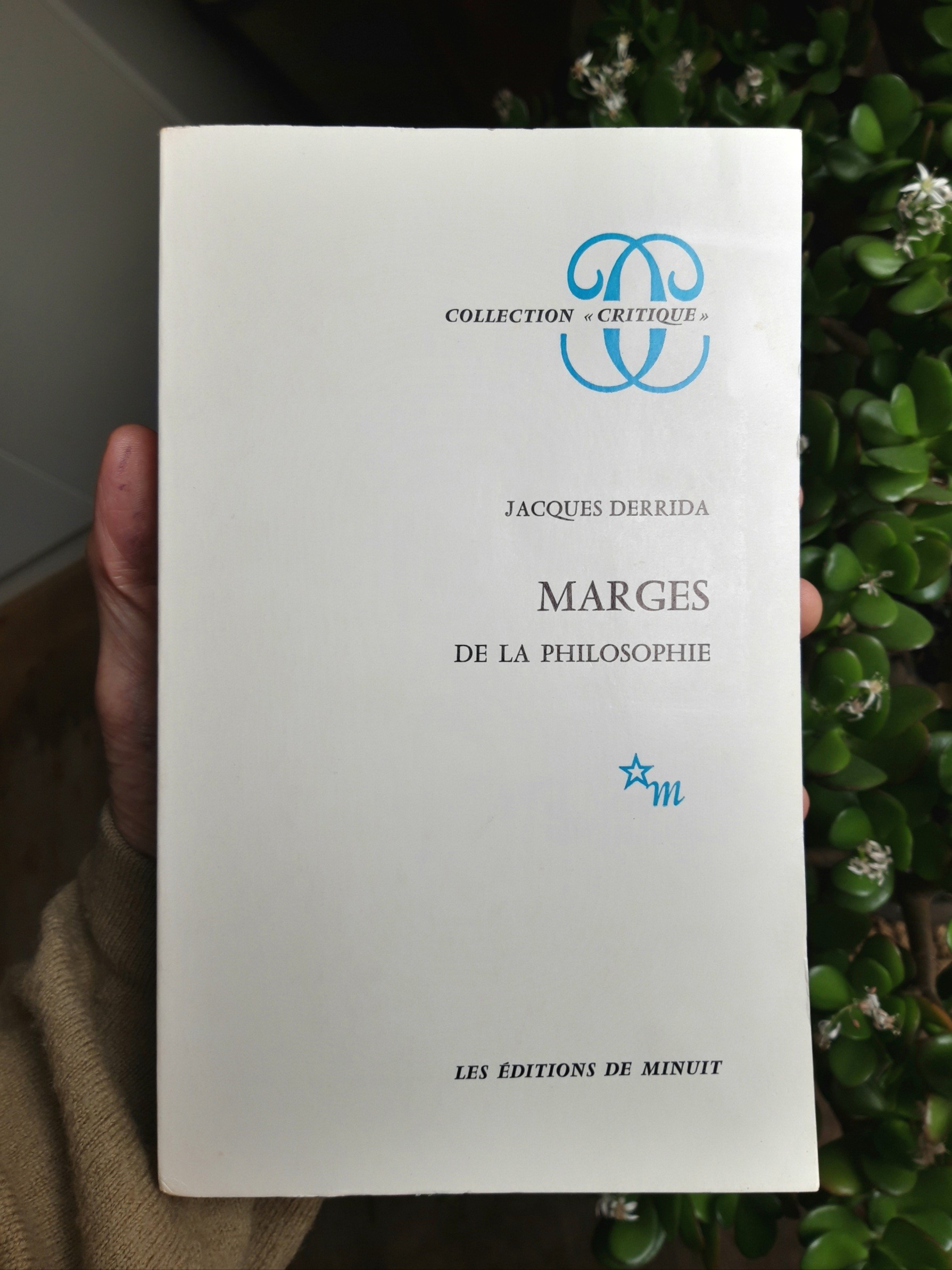
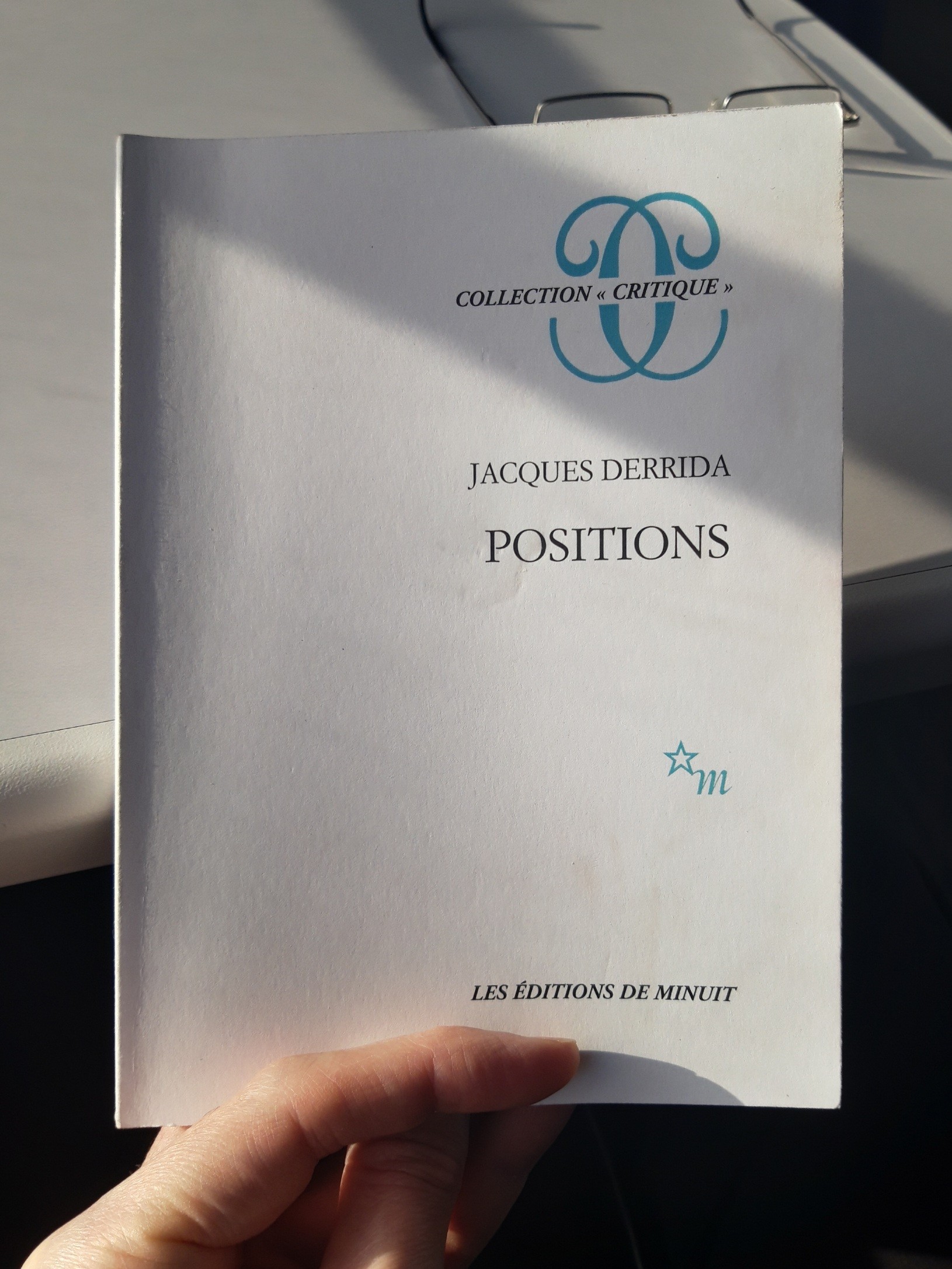
Not the first time I'm late to a party, but those texts by Derrida from the early 1970s are really great.
So far in this research project I have not produced any images or texts of note, but I did build a number of niche power supplies and thermostats. (This one is getting there).

Somehow I didn't expect a 1907 book by Otto Lehmann on liquid crystals to have plenty of small and beautiful colour images.

More. Derrida. From 1972.
DIY-ing this was perhaps not a great idea from the start, but when that became impossible to ignore, I might as well finish it.

Things always take more time, but at least the measuring and displaying of temperatures up to 1200 C seems to now work in principle.

In the mail this beautiful booklet by Ernst Haeckel on "Crystal Souls, Studies on Inorganic Life", a third edition from 1925. It is like cybernetics, but without the concept of feedback and 30 years too early; the text aims to close the gap between crystallography and psychology.

Reading Anne Alombert made me want to read more Derrida; super lucid as well as maddeningly obscure, but also adressing some of the main themes that attracted me to cybernetics.
Very happy I was able to see a small but precious exhibition of some of the 'pierres figurées' collected by Roger Caillois. At the École des Arts Joailliers in Paris.

Due to previous life choices I find myself building this cute see-through oven prototype. A whole new level of fiddly: unfamiliar and funny materials and none of my trusted construction methods allowed due to risk of meltdown.

Today the mailman brought these two beautiful booklets, from 1907 and 1921. Both are by Otto Lehmann, the first scientist to study liquid crystals. Until a friendly person on Mastodon pointed it out to me, I did not realize that in the early 20th century liquid crystals played a role in the discussion between mechanists and vitalists, being organized but not rigid. Lehmann often wrote about characteristics they shared with organisms.

Today I learned some things about thermocouples and how to measure high temperatures. Hard to test anything at this stage though.

Finally reading this history of the invention of the transistor: I've had it for a while and initially I was put off by the 'narrative' writing according to which the protagonists are 'gaunt', 'austere', 'taciturn', 'agitated', Americans are 'practical men' and European locations invariably 'drab' or 'dusty'. But it is also very well researched and full of interesting background.
Being mainly a maker of films, it is quite rare that I get to ship a physical installation. My installation #71.1 from 2019 is now underway to Paris where it will be part of the 'Deep Fields' exhibition at the Centre Wallonie Bruxelles.

Like in many languages, the Dutch word for potassium is 'kali', from the Arabic القالِي, al-qaly, for calcinated ashes. This is strange, because the English word 'potassium' comes from the Dutch 'potas': ash in a pot.

Hadn't used one of these in a long time.
#GP2Y0A21YK0F #71.1 #DialoguesWithMachines #SystemsThatMatter

Snapshot of my installation #71.1 from 2019.

Client Info
Server: https://mastodon.social
Version: 2025.07
Repository: https://github.com/cyevgeniy/lmst