
#Italian investigated over claims he #paid to shoot people during siege of #Sarajevo | #Bosnia and #Herzegovina | The Guardian https://www.theguardian.com/world/2026/feb/05/italian-man-investigated-over-claims-he-paid-to-shoot-people-during-1990s-siege-of-sarajevo
#Paid

***Sponsored Post*** 1-888-Heat-Pumps is expanding into Alameda to help residents turn lower rates into real savings, while stacking available rebates to make the upfront investment easier. https://alamedapost.com/features/alameda-life/1-888-heat-pumps-is-coming-to-alameda-where-heat-pumps-save-even-more-for-your-home/

I do disagree with #MarkRober here, cuz "#Fencing", like any #paid-for / financially incentivized #crime is a mere #symptom and not root cause.
- Almost all people ain't criminals by conviction but by the fact that honest "alternatives" either don't exist at all or don't allow them to make ends meet.
Espechally in a place like #SanFrancisco and the #SFBA which is so #gentrified that #NIMBYs in #PaloAlto prevented a midrise apartment complex catering solely to elderly residents who get outclassed by #TechBros, thus making it impossible for many to stay in their neighbourhoods.
- Most people generally want to just make ends meet, be able to face 3-4 digit surprise expenses without extreme anxiety and instead be able to occasionally do some consumer spending.
That's what I'd gather from the footage: None of the folks shown are above the median income of the US, in fact I'd be surprised if any of those were above the bottom 25%, with most in the bottom 1% - bottom 10% bracket just by my guesstimations.
- I mean, yeah, someone making 100k isn't going to risk their "cushy" existance for less than what they make in a week after taxes, so that's really obvious.
So yeah, it kinda goes full circle, and the ones being shafted are the bottom 95% who's insurance premiums will only go up through no fault of their own...

> America’s problems are solved problems.
> Universal #healthcare is not some utopian fantasy. It is Tuesday in Toronto. Affordable higher #education is not an impossible dream. It is Wednesday in Berlin. Sensible #gun #regulation is not a violation of natural law. It is Thursday in London. #Paid #parental #leave is not radical. It is Friday in Tallinn, and Monday in Tokyo, and every day in between.
https://data4democracy.substack.com/p/the-wall-looks-permanent-until-it

I’m looking for contemporary romance, suspense, mystery and LGBTQ fiction novels right now. So take a peek at my agent page on Pigeon House Literary Agency website. #fiction #romance #LGBTQ #paid #promotion #conference



Top 10 AI Prompt Generators in 2026: Free & Paid Tools » QA Realm
https://qarealm.com/top-10-ai-prompt-generators-in-2026-free-paid-tools/
Tags: #Top, #10, #AI, #Prompt, #Generators, #2026, #Free, #Paid, #Tools, #QA, #Realm

Bharath Kumar Reddy N. (@Bharath43342403)
Gemini 유료 버전에 대해 긍정적으로 평가하며 '좋은 거래'라고 권장하는 짧은 추천 트윗입니다. 별도 세부 정보는 없지만 유료 버전의 가치를 강조하는 의견성 글입니다.
Cristian Garcia (@cgarciae88)
Gemini 유료 버전에 대한 긍정적 권고문으로, 작성자는 유료 구독이 비용 대비 매우 좋은 거래라고 간단히 평가하고 있습니다. 제품 이름만 언급되어 구체적 기능 설명은 없지만 유료 옵션의 가치 평가를 전달합니다.

Five years after the deadly attackon the US Capitol, Donald Trump and other Republicans have engaged in a near-complete effort to #rewrite the history of the day and #erase it from the collective American memory.
On his first day in office, Trump #pardoned anyone involved in the attack, a move that affected some 1,500 people.
His administration has #paid $5m to settle a wrongful death lawsuit with the family of Ashli Babbitt, a rioter killed by a Capitol police officer as she attempted to breach doors near the House floor.
Hundreds of other rioters are also seeking millions of dollars in #compensation.
“The pardons issued last January sent a clear message to the American people:
💥political allegiance now matters more than criminal conduct.
But over the past year, we’ve also seen a sustained effort to rewrite the facts of January 6,
as if the historical record could be negotiated away or erased,”
said Gregory Rosen, who led the justice department unit that prosecuted January 6 cases.
“But Americans remember that day for a simple reason:
👉 we watched it happen.
And as long as we remember what it was
– unadulterated #mob #violence
– we can speak honestly about what it means for our democracy and our future.”
Top Korean Idol Reportedly Paid The Full Bill For His Manager's Wedding #Bill #Full #Idol #Korean #Managers #Paid #Reportedly #Top #Wedding
https://kpopnewshub.com/top-korean-idol-reportedly-paid-the-full-bill-for-his-managers-wedding/?fsp_sid=80
Even though they are essential workers,
#paid #care #jobs are
not “good jobs” – that is:
they generally pay low wages and don’t have benefits such as access to healthcare, paid sick days, paid leave, union protections or retirement benefits.
At the same time, family pocketbooks are increasingly squeezed by care priced like it’s a luxury and not a necessity.
This leaves both families and workers struggling to make ends meet,
while businesses often operate on small margins.
The three care industries
– nursing and residential care facilities,
child care,
and home health care
– have not experienced the same level of job growth as the rest of the economy in the COVID-19 recovery.
While the growth in home health care jobs compared to the pre-pandemic baseline surpassed total nonfarm job growth in 2023,
both child care jobs and nursing and residential care jobs are lagging behind.
Meanwhile the need for care remains immense;
almost 700,000 people were on Medicaid Home- and Community-Based Services waiting lists last year,
more than 20 percent of states have waiting lists for child care assistance
and home health and personal care aides are projected to account for more than 1 out of 6 new jobs created in the next decade.
In order to keep up with the demand for paid care workers, these jobs must increase their pay to reflect the true value of the work they’re providing and compete with other professions for workers
– and they must do so without increasing the burden for families.

Waipareira paid bonus to allow John Tamihere to settle campaign loan
“The trust required Mr Ta…
#NewsBeep #News #Headlines #2023 #385000 #advanced #allow #amount #awarded #bonus #boss #campaign #Campaigns #charity #chief #contentious #enable #exact #executive #faced #from #john #loan #loans #more #NewZealand #NZ #over #owed #paid #political #pressure #recoup #regulators #repayment #settle #support #tamihere #than #to #totalling #trust #waipareira #whether #would
https://www.newsbeep.com/316743/


It's #time to #stop #buying #products from all big #companies . Until they remove all #restrictions from users... #online or #offline stop buying all #tech #gadgets . Start #canceling ur #subscriptions. Stop using #paid #apps from #google #play #store or #apple
#freedom #humanrights #life #opensource #noai #privacy #degoogle #phone #mobile #android
Waikato tradie Jason Lambert was ‘in over his head’ when he ripped off victims
While the judge considered a sentence of either home detention or community detention, Lambert’s counsel, Kerry Hadaway, successfully…
#NewsBeep #News #Headlines #complete #deposits #failed #he #head #his #in #jason #lambert #NewZealand #NZ #off #over #paid #ripped #tradie #victims #waikato #was #when #which #work
https://www.newsbeep.com/277652/
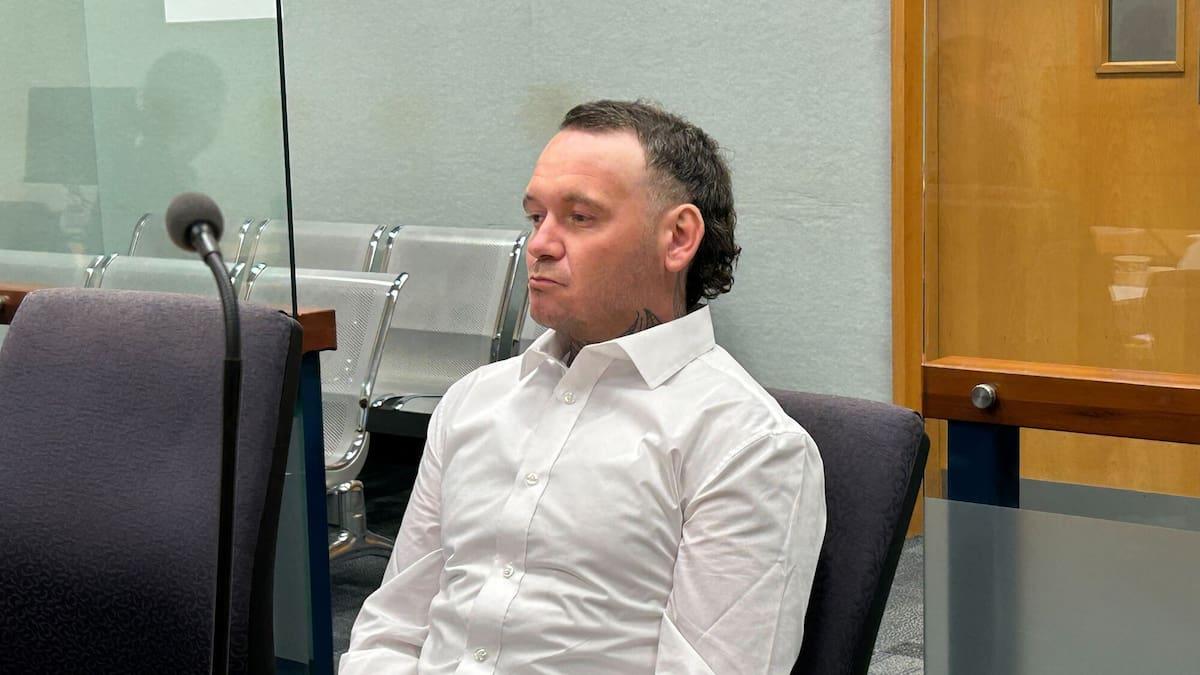
Whānau mourn Jason Wharerau as search for Ethan Neels continues in Northland
“As the whānau of Jason Paul Wharerau, connected whakapapa, Ngāti Tautahi Te Māhurehure, Te Hikutu, Te Waiariki Ngati…
#NewsBeep #News #Headlines #11yearold #after #as #Boy #cheeky #clever #continues #died #Ethan #family #fishing #for #have #in #jason #loving #mourn #neels #NewZealand #northland #NZ #paid #search #their #Tragedy #tribute #trip #turned #wharerau #whnau
https://www.newsbeep.com/270449/


https://www.fogolf.com/1099905/trump-received-surprisingly-little-for-hosting-saudi-backed-golf-events/ Trump Received Surprisingly Little For Hosting Saudi-Backed Golf Events #Donald #DonaldTrump #DonaldTrumpGolf #DonaldTrumpGolfing #events #Liv #LivGolf #mbs #MohammedBinSalman #money #paid #SaudiArabia #tournaments #trump #TrumpGolf #TrumpGolfing

Cuz, you know, their word is bond [/s]
Trump admin hints #furloughed workers may not be #paid after #shutdown
Agencies are sending messages indicating that workers who are on the job will be paid when the government reopens — with no mention of those on furlough, despite a 2019 #law protecting their wages.
https://www.washingtonpost.com/business/2025/11/04/shutdown-back-pay-federal-workers/
Client Info
Server: https://mastodon.social
Version: 2025.07
Repository: https://github.com/cyevgeniy/lmst