
It's a lot to go through. But the #women that are #dying will appreciate you at least understanding the problem even if you don't know all the details. Maybe read the executive #summary and the #conclusion at least.
Check out @fiercemama25.bsky.social@bsky.brid.gy's show.
Abortion Bans and Maternal Mor...
#dying

abc.net.au/news/2026-02-11/lov…
i aspire to sensitivity here, not just ride roughshod over the grieving "survivors", but nonetheless feel somewhat irritated at the overarching tone of this article.
his final moments with his partner before voluntary assisted dying (VAD) were peaceful and at times even jovial, knowing that her wishes were being fulfilled.
compare that to hitherto "traditional" options, whereby his partner would have been either in excruciating agony, or medicated into comatosity to avoid the former, for days if not weeks before... ergo, no matter how upset he might feel now, the alternative seems infinitely worse. before, he would have "lost" her far earlier, wrt being able to share their love right to the last.
"It wasn't until I got home and walked into an empty house … that it affected [me] … it was quite daunting, then the realisation came."
ofc it is terrible, this is undeniable, as everyone who has lost a loved one, then later returns to the ever-changed home, well knows. however...
"The VAD team has been out two or three times to see me and just have a bit of talk to me, which has been really good," he said.
this is infinitely more than anyone ever got, or gets, after their loved one dies a "non-VAD" way. so sure, ok, a "post-VAD counselling service" might be able to be made better, but my point is, & thus why this article sits badly with me, from the perspective of the survivors, VAD is so much better than the alternatives, & for that reason this article IMO lacks proper perspective & proportion.
That is one of the reasons I don't focus on #trans rights that much. It's obvious that I deserve #healthcare. It's even more obvious that people #dying #outside deserve a home. That's my decision tree on what to focus on. I believe both are going to happen. She will get done; they will have home.

Beloved Idol Admits She’s Worried About Dying… Among Other Struggles #Admits #Among #Beloved #Dying #Idol #Shes #Struggles #Worried
https://kpopnewshub.com/beloved-idol-admits-shes-worried-about-dying-among-other-struggles/?fsp_sid=9800

https://www.fogolf.com/1152760/donald-trump-is-almost-dead-donaldtrump-golf-trump-old-cheater-loser-golfing-done-dying/ Donald Trump is almost dead #donaldtrump #golf #trump #old #cheater #loser #golfing #done #dying #Authentic #BreakingNews #CurrentEvents #Donald #DonaldTrump #DonaldTrumpGolf #Hawk #HawkPodcasts #news #Politics #trump #TrumpGolf

I'm watching Come See Me in the Good Light





>#Minneapolis is the
#TippingPoint<
#Trumpism
#Authoritarianism #Oligarchy
#Dictatorship
Minneapolis as a wakeup call for the whole country
"We are doing our best, but we are getting slaughtered out here. We are literally #dying in the street while they are #dining in DC.
And it's not okay. At the end of the day, no one escapes this attempted authoritarian takeover unscathed. People will get hurt no matter what...❗"

BDG feature: The Weight of Grief: Finding Light in the Darkness
🔗 Read more: https://tinyurl.com/23e8jb4w
#Buddhism #BuddhistPractice #Acceptance #Darkness #Death #Dying #Suffering #Grief #Loss #Mourning #Equanimity #Impermanence #Love #LovingKindness #Metta #EmotionalWellBeing
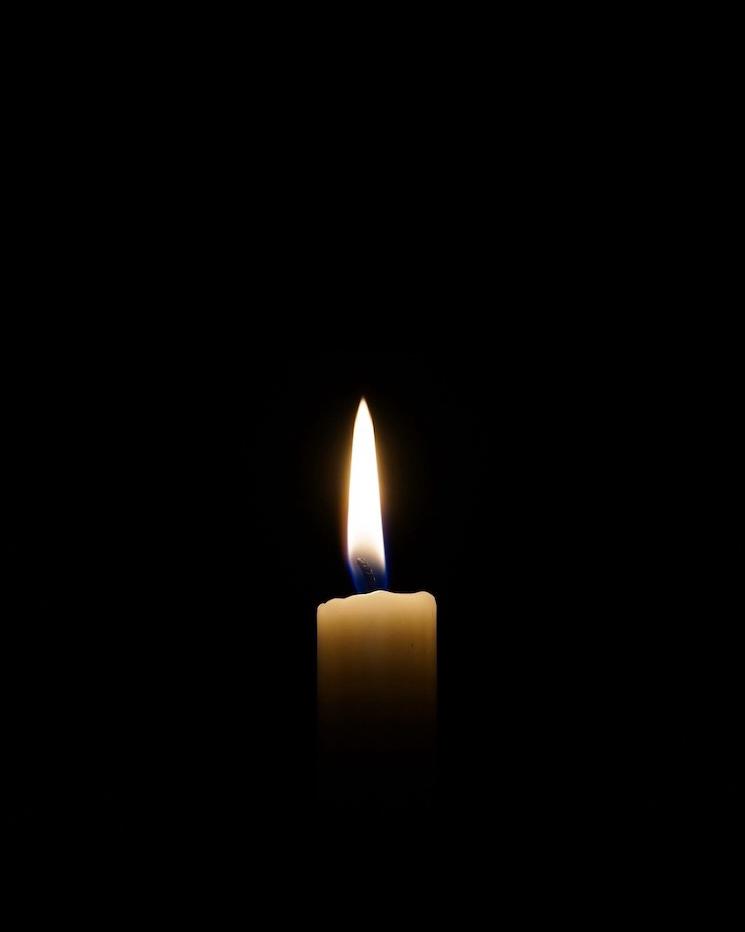
‘Oh my God, if I died in this room, no one would even know.’
so what? i'm damned if i understand why some humans have such strange concerns of this scenario, if they have no next of kin or friends. if you've carked it, then it's game over anyway, & if you have nobody then nobody will be upset or sad, so why should you be sad now pre-cark? it's so irrational.

Detecting Drought Stress In Trees From The Air [Switzerland]
--
https://www.linkedin.com/pulse/detecting-drought-stress-trees-from-air-eidg-forschungsanstalt-wsl-mrjue <-- shared technical article
--
https://doi.org/10.1016/j.agrformet.2025.110856 <-- shared paper
--
https://www.inverse.com/science/trees-dying-shocking-rates-understanding-save-them <-- shared technical article
--
#Umweltbeobachtung #Wald #Trockenheit #Drohnen #Forschung #EnvironmentalMonitoring #Forest #Trees #Drought #Drones #Research #UAV #GIS #spatial #mapping #remotesensing #tree #vegetation #climatechange #heatstress #hot #summer #sunlight #discolouration #leaf #leaves #defoliation #impacts #crowns #canopy #water #hydrology #drought #risk #hazard #drone #imagery #survey #nativetree #monitoring #spatialanalysis #spatiotemporal #measurement #methodology #drought #coping #Droughtstress #Forest #NDVI #PRI #Xanthophyll #Turgorlosspoint #waterstress #dehydration #mortality #death #dying #loss #hydraulicfailure #biology #botany #canopy



#death #dying The weight of cosmic insignificance and the inevitable end of life feels profoundly overwhelming, leaving people lost in contemplation and struggling to find meaning. 💀 https://scrollbots.com


“That’s the one thing that everybody in the world can do, ain’t it, Willard? is die … living is the hassle.” — Ken Kesey, Sometimes a Great Notion
#QOTD #KenKesey #Quote #Living #Quotation #Dying
https://yahooeysblog.wordpress.com/2026/01/15/quote-of-the-day-5401/
Client Info
Server: https://mastodon.social
Version: 2025.07
Repository: https://github.com/cyevgeniy/lmst