How does #RacialBelonging mediate the production of #PopularTerritories & thereby unsettle + rearticulate dominant understandings of #area?
👀Read by @XazaarAdjame on the collective life in movement of #Indonesian #UrbanYouth: https://doi.org/qjnw
Engaging Science, Technology, and Society (ESTS) is the flagship open access journal of the Society for Social Studies of Science (4S). Since its establishment in 2014, ESTS has become recognized as one of the premiere scholarly publications in STS internationally, constituting one of the most visible and increasingly important ways that 4S contributes to the STS community.
Transnational | Experimental | Pedagogy | Publishing Infrastructure
Multimodal | Research Data | Longform | Shortform
How does #RacialBelonging mediate the production of #PopularTerritories & thereby unsettle + rearticulate dominant understandings of #area?
👀Read by @XazaarAdjame on the collective life in movement of #Indonesian #UrbanYouth: https://doi.org/qjnw
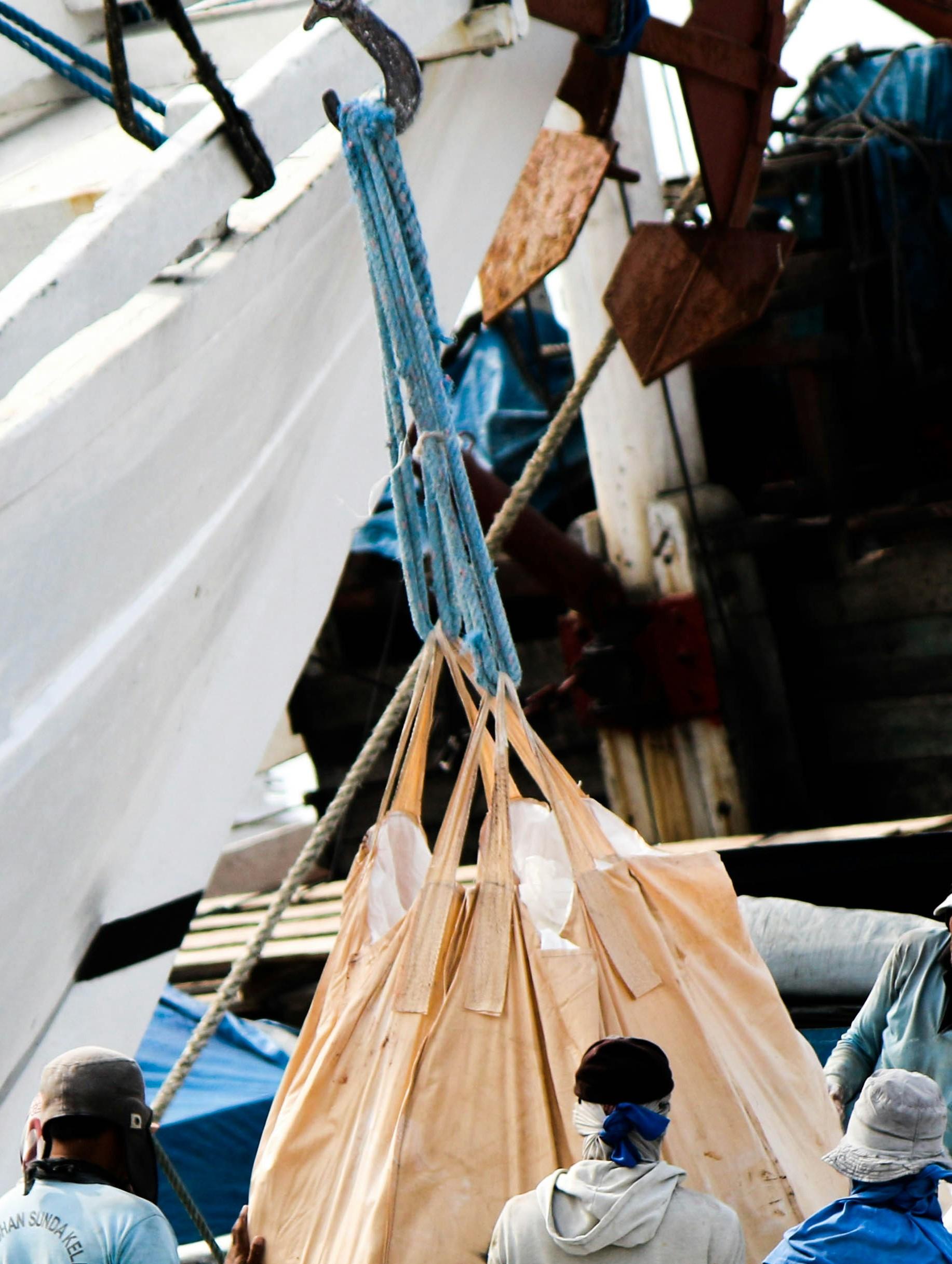
Taking the example of peripheral urban gardens in Manila @ksaguin reconceptualizes #Area within #Urbanism + #SoutheastAsia, shifting from static spatial formulations toward its generative capacities for multiplicity & heterogeneity
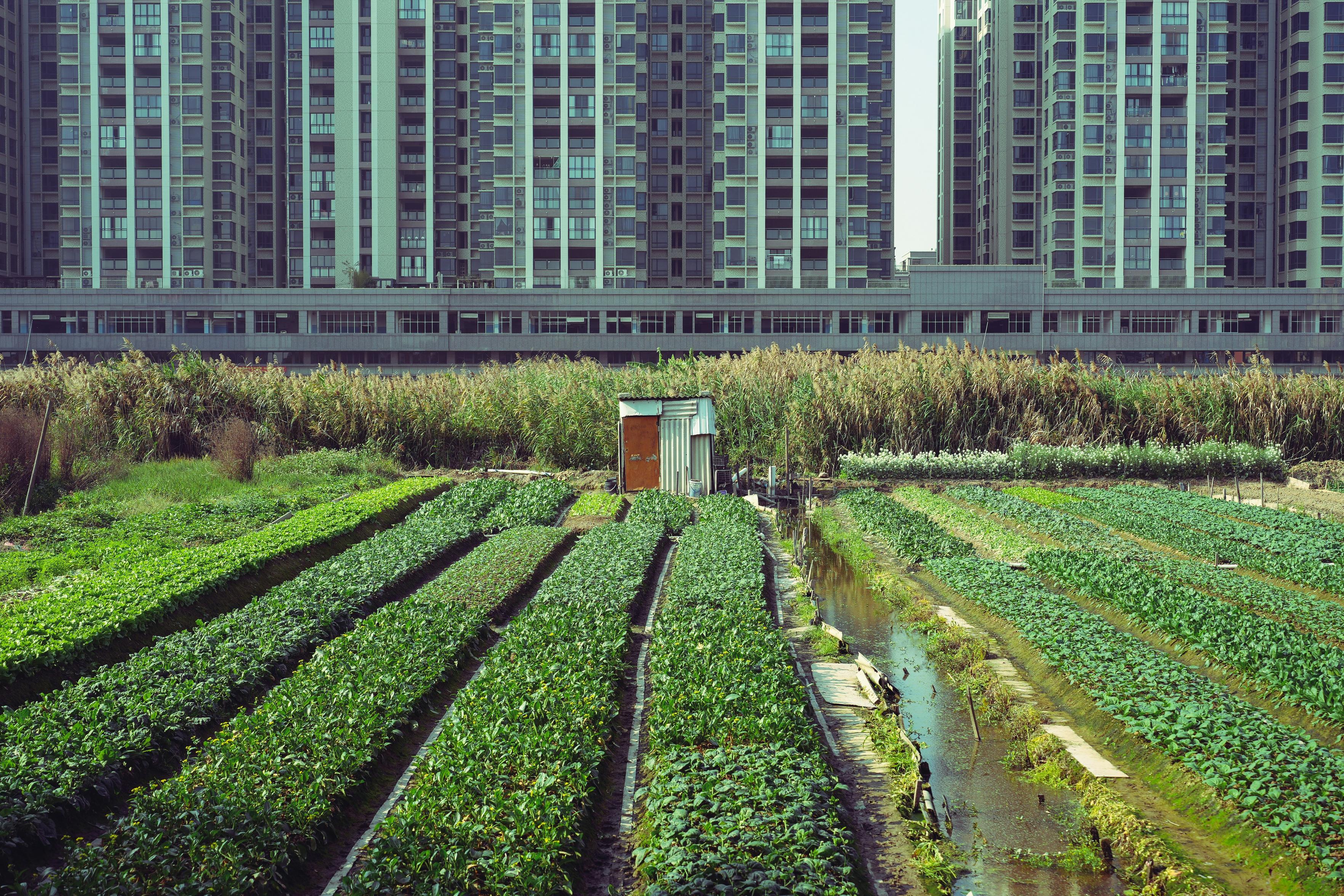
This engagement urges readers to rethink Southeast Asian studies by delving into how #SoutheastAsia as an #area emerged through & is shaped by the colonial logic of #EconomicGeology
👀@karib.13 & D. Listiana: https://doi.org/qh2v

How can rising fine-dust pollution in #Zomia signal how this historically autonomous highland region of #SoutheastAsia is being transformed by new forms of #EnvironmentalExploitation?
👀Read by @jonanthro: https://doi.org/qh2t
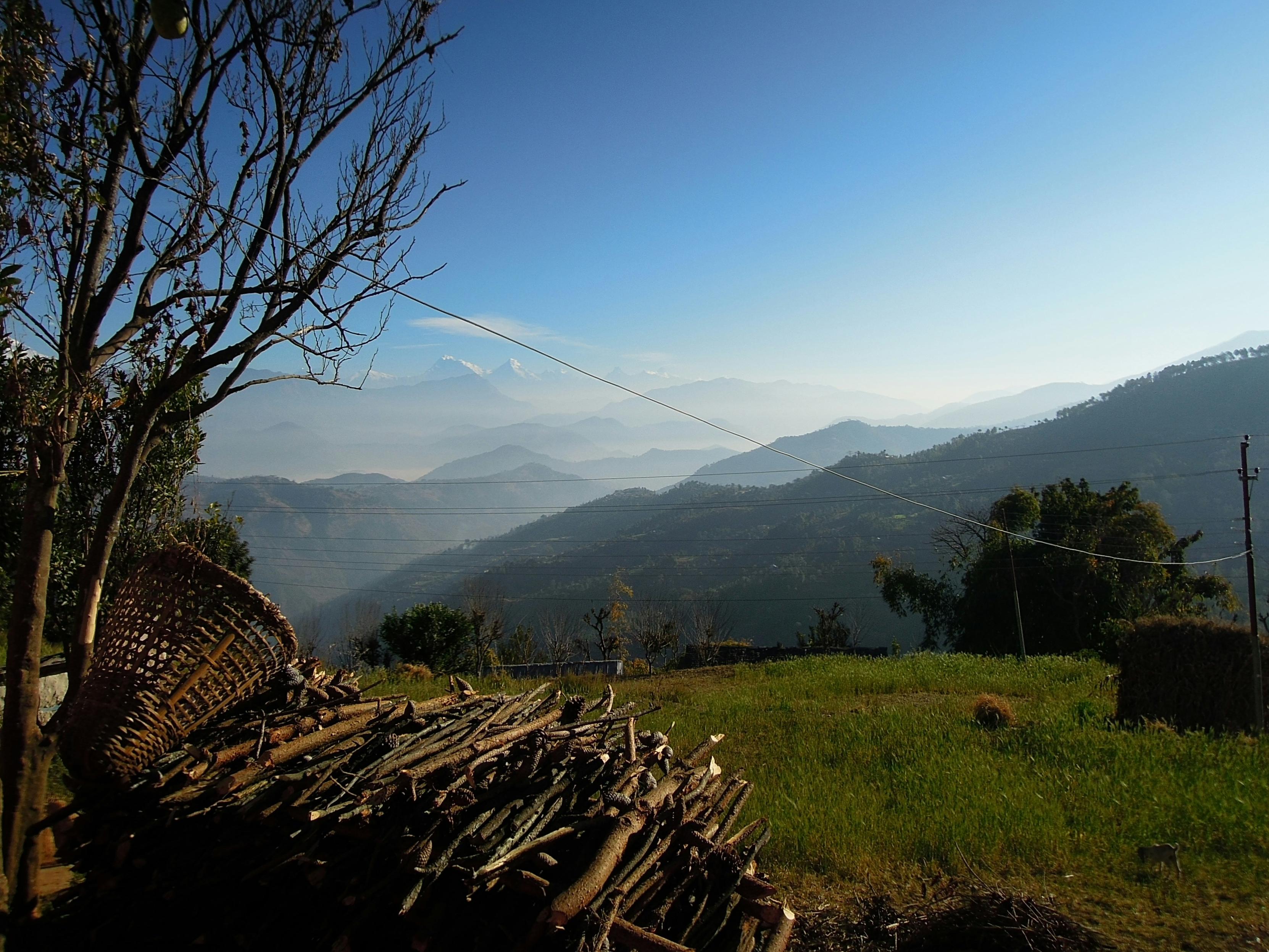
How can the idea of #buoyancy help question the hype around #FloatingCities amid the rapid submergence of #SoutheastAsia’s coastlines?
👀Read @rsiriw & M. S. C. Gemilang: https://doi.org/qhrh
#CoastCities #UrbanJustice #CoastalAdaptation #UrbanAnthropology

How can the idea of #buoyancy help question the hype around #FloatingCities amid the rapid submergence of #SoutheastAsia’s coastlines?
👀Read @rsiriw & M. S. C. Gemilang: https://doi.org/qhrh
#CoastCities #UrbanJustice #CoastalAdaptation #UrbanAnthropology

In this #collaborative engagement, Zahirah, Klein, Bogart, Keller, Huang & Gutierrez explore the potential of #sediments in #CoastalEnvironments for rethinking the #entanglements of history, policy + national #developmentalism in #SoutheastAsia
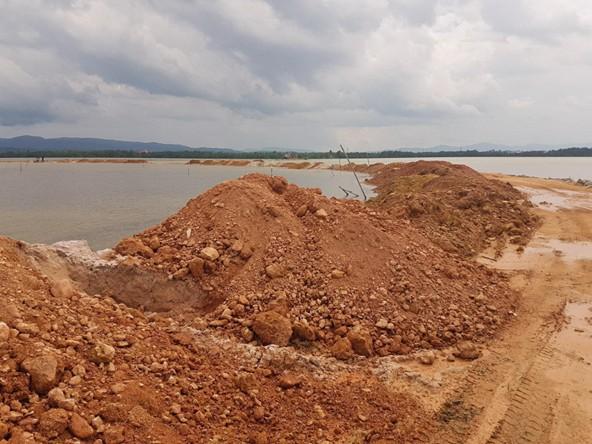
How can the concept of #entanglement help to think anew about #areas & #SoutheastAsia in the #Anthropocene? What new #STS reflections does it open up to?
👀@cbruunjensen@bsky.social + F. Thufail's intro of their thematic collection "Entangled Areas": https://doi.org/qg64

We’re officially retiring this account.
To stay connected with us, follow our active accounts:
👉 Bluesky: @estsjournal.bsky.social
👉 LinkedIn: www.linkedin.com/in/editorial-collective-9417a4358
👉 X/Twitter: @ESTSjournal
We appreciate your continued engagement and support!

📢Issue 11.2 out now!
12 engagements from the thematic collection "Entangled Areas" on #STS & #SouthEastAsia in the #Anthropocene + the journal's editorial reflection on the collection
++ 1 ORA on the limits of standardization in police reporting

Can the scientific practice of #KnowingMicrobes rely on inquiry and interdependence instead of control?
Read the study by @heymayahey on fermentation as an #epistemic practice in a #sake #brewery in #Japan: https://doi.org/pzvq

Images play a crucial role in mediating the relationship between #microbes & humans at the interface of science+society
👀Whiteley Nygaard & Glerup on human agency in the depiction of the relation between #microbiome & #mind: https://doi.org/pzvn

Evaluating health risks is not limited to pathogens, and depends on views of the environment
@RittiSoncco on the construction of Scottish landscapes as beautiful & safe that renders the high prevalence of #lymedisease invisible: https://doi.org/pzvm

How can #EnvironmentalHealth focus on #multispecies connections rather than on pathologizing life forms as threats?
@anthrobite.bsky.social on a #biotechnology project in #Brazil for more convivial co-existence of humans mosquitos & pathogens: https://doi.org/pzvp
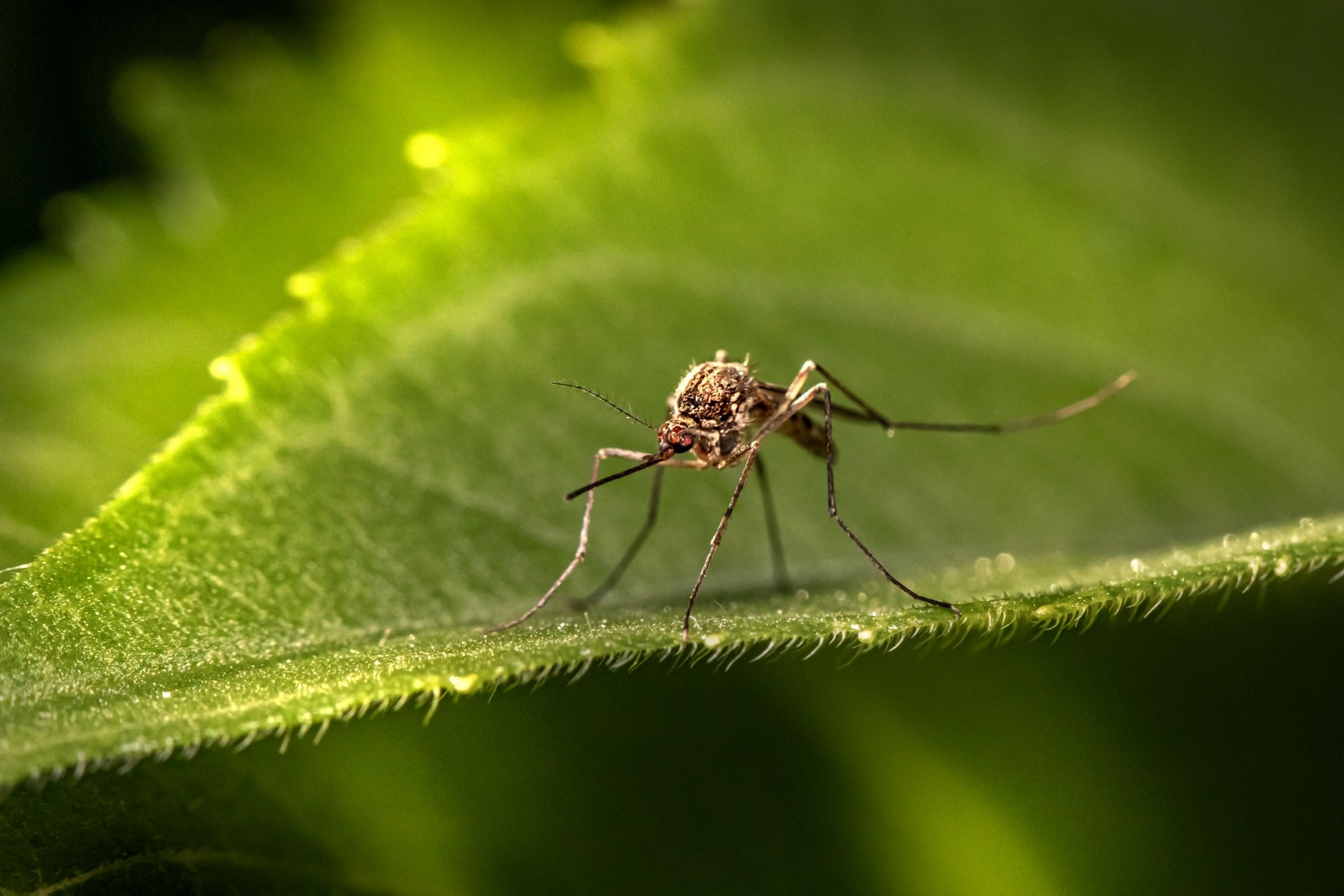
Pathogens are socially & racially coded through the past and present of colonial relations, resulting in uneven configurations of health and blame
Read by Victoria Koski-Karell on the racialization of #cholera’s #pathogenicity in #Haiti: https://doi.org/pzvr

Postcolonial ideologies of #development contribute to the reproduction of racialized stereotypes in the biomedical approach to #antimicrobial resistance #hotspots
👀Read by Andrea Butcher on the cases of Bangladesh and Benin: https://doi.org/pzvs

How can #STS expand the view of #microbes beyond the pathogenic, the human, and toward complex #ecologies?
👀 Read Cañada Sariola, and Rest's introduction of the thematic collection Microbes and STS: https://doi.org/pzvj

How can #STS expand the view of #microbes beyond the pathogenic, the human, and toward complex #ecologies?
👀 Read Cañada, Sariola, and Rest's introduction of the thematic collection Microbes and STS: https://doi.org/pzvj

The Editorial for 11.1 reflects on the end of our tenure + the thematic collection on #STS #Situating #Microbes by asking:
Why does it matter to hold a #transnational #OpenAccess space for recording multiple forms of life + life forms in #transformation?

📢Issue 11.1 out now!
7 articles from a thematic collection on #STS and #Situating #Microbes
+1 editorial reflecting on microbes ++ the transition of editorship through the lens of #transformations